


The Impact of Restrictive Asylum Policies on Public Safety Perceptions in Germany
This briefing examines the recent developments in Germany's migration and asylum policies, particularly in response to rising public concerns about safety and crime ass...

The Impact of Restrictive Asylum Policies on Public Safety Perceptions in Germany
⏱ 4 min read
Executive Summary
This briefing examines the recent developments in Germany’s migration and asylum policies, particularly in response to rising public concerns about safety and crime associated with irregular migration. Chancellor Friedrich Merz’s government has implemented significant reductions in asylum numbers and increased deportations, influenced by the electoral successes of the far-right Alternative for Germany (AfD). This policy shift raises critical questions about the balance between public safety, social integration, and the treatment of migrants in German society.
Strategic Context
Germany has a complex history of migration, shaped by economic needs, humanitarian obligations, and political dynamics. Following the 2015 refugee crisis, the country experienced a surge in asylum applications, leading to a significant increase in the migrant population. This influx has sparked a polarized political debate, particularly as right-wing parties like the AfD gained traction by framing migration as a threat to public safety and social cohesion. The recent electoral successes of the AfD in regional elections have intensified pressure on the ruling conservative parties, prompting a reevaluation of asylum policies.
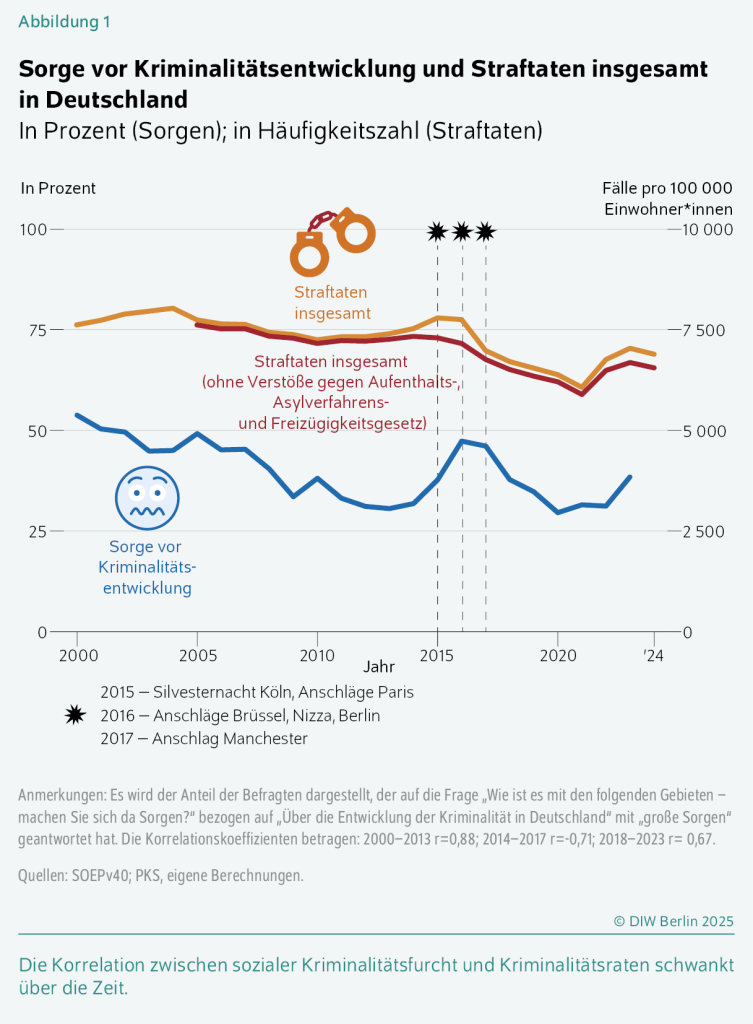
In response to these pressures, Chancellor Merz’s government has adopted a more restrictive approach to asylum, reducing applications by 60% and increasing deportations. This shift is framed as a necessary measure to address public concerns about safety, particularly in urban areas where perceptions of crime and disorder have risen. The government’s focus on public safety reflects broader societal anxieties about crime, particularly as surveys indicate a growing sense of insecurity among citizens, with nearly half reporting feeling unsafe in public spaces.
Deep Analysis
The political motivations behind the current asylum policies in Germany are deeply intertwined with the electoral landscape. The rise of the AfD has forced traditional conservative parties, such as the CDU and CSU, to adopt stricter stances on migration to retain their voter base. This strategy aims to counter the narrative that associates irregular migration with increased crime, a perception that has been amplified by political rhetoric and media coverage. By emphasizing a crackdown on asylum seekers and irregular migrants, the government seeks to project an image of strength and responsiveness to public concerns.
Critically, this approach raises questions about the underlying assumptions linking migration to crime. While public safety is a legitimate concern, the evidence supporting a direct correlation between irregular migration and increased crime rates is often overstated. Many experts argue that social factors, such as poverty and lack of integration opportunities, play a more significant role in shaping public safety perceptions. The government’s focus on deportations and restrictive asylum policies may overlook the potential benefits of integration and community support for migrants, which could foster a more cohesive society.
Moreover, the emphasis on public safety may inadvertently stigmatize migrants, leading to social divisions and increased xenophobia. The portrayal of migrants as a threat can exacerbate tensions within communities, undermining efforts to promote social cohesion and mutual understanding. As local authorities grapple with the challenges of urban safety, it is crucial to consider holistic approaches that address the root causes of insecurity rather than solely relying on punitive measures against migrants.
Impact on Migrants
The direct legal impacts of the current asylum policies on migrants are significant. The reduction in asylum applications and increased deportations create a precarious environment for those seeking refuge in Germany. Many migrants face uncertainty regarding their legal status, which can hinder their ability to access essential services, employment, and social integration opportunities. The fear of deportation can also lead to mental health challenges, as individuals navigate a system that appears increasingly hostile.
Socially, the perception of migrants as contributors to crime can lead to discrimination and exclusion from community life. As public sentiment shifts towards viewing irregular migrants with suspicion, the potential for social integration diminishes. This environment can foster isolation among migrant communities, making it more challenging for them to build connections and contribute positively to society. The long-term implications of these policies could result in entrenched divisions within society, undermining the social fabric that is essential for a cohesive and inclusive Germany.
Outlook & Conclusion
Looking ahead, the future of Germany’s migration and asylum policies will likely continue to be shaped by political pressures and public sentiment regarding safety and security. While addressing public concerns is essential, it is equally important to adopt policies that promote integration and social cohesion. A balanced approach that recognizes the contributions of migrants while ensuring public safety could pave the way for a more inclusive society. Policymakers must engage with communities to foster understanding and collaboration, ensuring that migration is viewed as an opportunity rather than a threat.
Anchor Source: dw.com | Analyzed by AboMatrix AI Engine