


Navigating the Tides of Change: Understanding Migration in a Globalized World

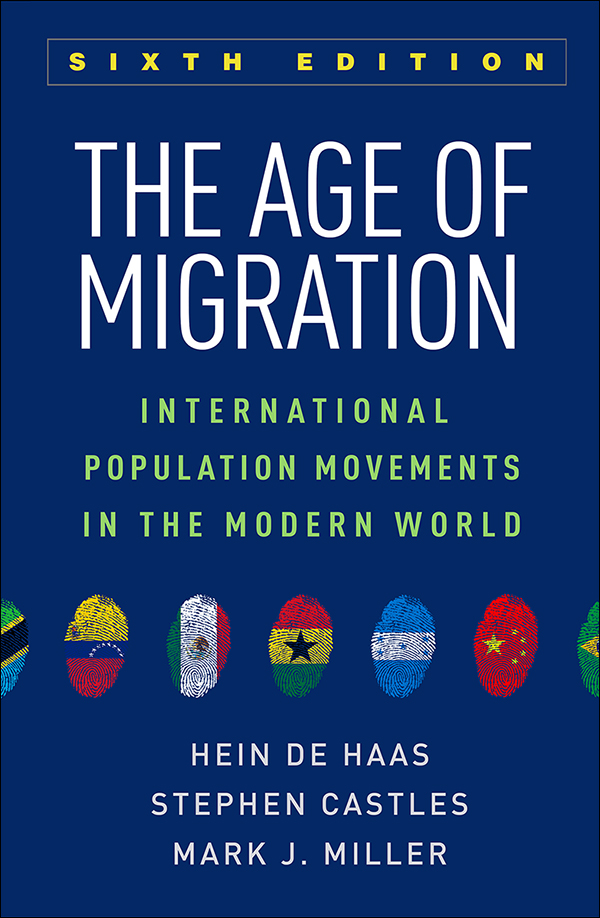
Navigating the Tides of Change: Understanding Migration in a Globalized World
📚 Book Info: The Age of Migration by Stephen Castles (2020)
In Brief
In ‘The Age of Migration’, Stephen Castles presents a comprehensive analysis of the multifaceted phenomenon of migration, which has become one of the defining issues of our time. Through a meticulous examination of historical trends, sociopolitical contexts, and economic factors, Castles argues that migration is not merely a consequence of globalization but a fundamental aspect of it. This book is essential reading for anyone seeking to understand the complexities of migration and its implications for Europe and the world today.
Core Ideas
- Migration is a global phenomenon shaped by economic, social, and political forces.
- Understanding migration requires a historical perspective that acknowledges its long-standing presence in human society.
- Current migration patterns are influenced by globalization, conflict, and climate change, necessitating a reevaluation of national policies.
- Effective migration management must balance humanitarian concerns with the realities of national interests and security.
Deep Read
Castles’ narrative begins by situating migration within a historical context, illustrating that it is not a new issue but rather a persistent element of human civilization. He emphasizes that migration has been a driving force behind cultural exchange and economic development throughout history. However, the contemporary landscape is marked by unprecedented levels of displacement due to factors such as armed conflict, economic disparity, and environmental degradation. Castles adeptly weaves together case studies from various regions, revealing how these forces interact and contribute to the complexities of modern migration patterns.
Moreover, Castles delves into the political ramifications of migration, particularly in Europe, where rising populism and anti-immigrant sentiments have reshaped public discourse and policy. He argues that the failure of governments to address the root causes of migration has led to a crisis of governance, where reactive policies often exacerbate the very issues they aim to resolve. By analyzing the interplay between migration and national identity, Castles underscores the urgent need for a more nuanced understanding of migrants as contributors to society rather than burdens. This perspective is crucial in light of the increasing polarization surrounding migration debates globally.
💡 Why It Matters Now
In an era where migration is often framed as a crisis, ‘The Age of Migration’ serves as a vital resource for policymakers, scholars, and the public alike. As Europe grapples with the challenges posed by migration, understanding the underlying dynamics is essential for crafting effective and humane policies. Castles’ insights encourage a shift from viewing migrants through a lens of fear to recognizing their potential as agents of change and contributors to society. This book is a clarion call for a more informed and compassionate approach to migration, which is essential for fostering social cohesion and addressing the root causes of displacement.
Conclusion
Stephen Castles’ ‘The Age of Migration’ is not just a scholarly examination of a pressing global issue; it is a timely reminder of our shared humanity in the face of adversity. As the world continues to navigate the complexities of migration, Castles’ work provides a roadmap for understanding and addressing the challenges ahead. By embracing a more inclusive and informed perspective on migration, we can foster a future that values diversity and promotes global solidarity.