


Nuclear Energy and Security: Analyzing the Contemporary Geopolitical Landscape in Europe

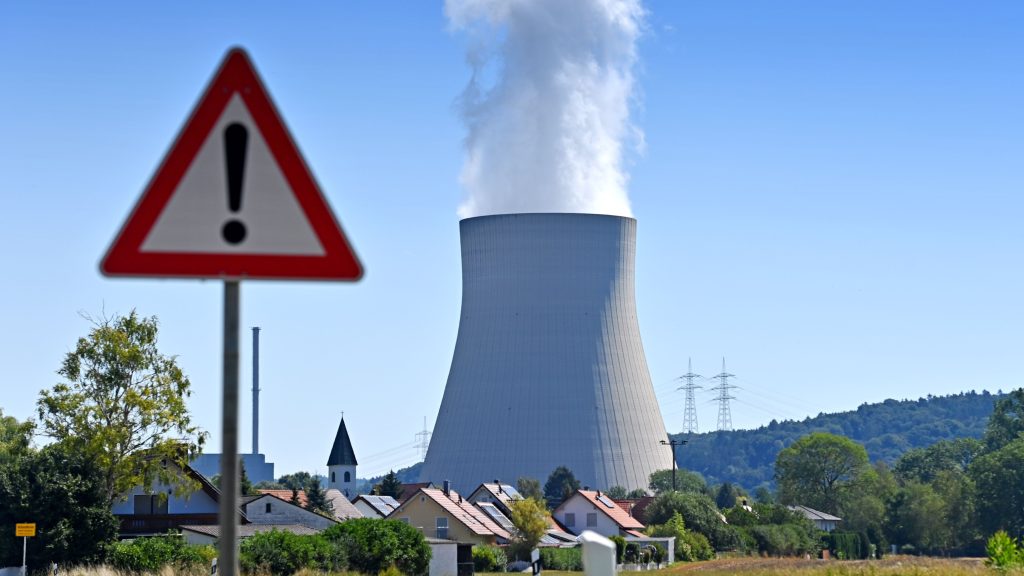
Nuclear Energy and Security: Analyzing the Contemporary Geopolitical Landscape in Europe
Executive Summary
This study examines the intricate relationship between nuclear energy and security in Europe, particularly in the context of the ongoing conflict in Ukraine and the historical legacy of the Chernobyl disaster. It highlights how nuclear facilities have become strategic assets in geopolitical conflicts, the implications of militarization of nuclear sites, and the urgent need for robust international governance to mitigate risks associated with nuclear energy in a militarized environment. The findings underscore the necessity for a comprehensive reevaluation of nuclear policies in Europe, emphasizing the importance of transparency, public engagement, and the establishment of legal frameworks to address the evolving security landscape.
Strategic Context
The geopolitical landscape in Europe has been profoundly altered by the ongoing conflict in Ukraine, particularly since the Russian invasion in February 2022. The militarization of nuclear facilities, such as the Zaporizhzhia Nuclear Power Plant, has raised significant concerns regarding nuclear safety and security. The historical context of the Chernobyl disaster in 1986 serves as a stark reminder of the catastrophic consequences of nuclear accidents, particularly when compounded by political and military failures. The legacy of Chernobyl continues to influence public perception and policy regarding nuclear energy across Europe, with nations grappling with the dual challenges of energy security and the potential for nuclear catastrophe.
In this context, the role of nuclear energy as both a source of power and a strategic asset has become increasingly complex. Countries like Belarus and Poland are navigating their energy policies amidst historical traumas and contemporary geopolitical pressures. The reliance on nuclear energy, particularly in the face of Russian aggression, has led to a renewed interest in nuclear power as a means of achieving energy independence. However, this shift raises critical questions about safety, governance, and the ethical implications of using nuclear facilities as leverage in geopolitical conflicts.
Deep Analysis
The militarization of nuclear facilities in Ukraine has introduced a new dimension to the discourse on nuclear energy and security. The occupation of the Zaporizhzhia Nuclear Power Plant by Russian forces exemplifies how nuclear sites can be weaponized, not only as strategic military assets but also as tools of psychological warfare. The deliberate targeting of power supply lines and the imposition of operational conditions that violate international safety norms have created a precarious situation that could lead to catastrophic outcomes. The International Atomic Energy Agency (IAEA) has expressed grave concerns regarding the operational integrity of these facilities, highlighting the urgent need for international oversight and intervention.
Moreover, the historical context of Chernobyl has shaped public perception and policy responses to nuclear energy in Europe. The trauma associated with the disaster has fostered a strong anti-nuclear sentiment in many countries, particularly in Poland, where the memory of Chernobyl has influenced public opposition to nuclear projects. However, as energy security becomes a pressing concern in the wake of geopolitical tensions, there is a noticeable shift in public opinion towards supporting nuclear energy as a viable alternative to fossil fuels. This paradox underscores the complexity of the nuclear debate, where historical fears must be reconciled with contemporary energy needs.
The case of Belarus further complicates the narrative surrounding nuclear energy and security. The country’s increasing dependence on Russian nuclear technology and the construction of new nuclear facilities have raised alarms among neighboring states, particularly Lithuania, which views the proximity of these sites as a direct threat. The lack of transparency and public engagement in Belarusian energy policy decisions exacerbates these concerns, as citizens remain largely uninformed about the potential risks associated with nuclear energy. This situation illustrates the broader challenge of ensuring public accountability and safety in countries with authoritarian regimes, where dissenting voices are often silenced.
In light of these dynamics, the failure of international governance mechanisms to effectively address the risks associated with nuclear energy in conflict zones is evident. The IAEA’s limited mandate to enforce demilitarized zones around nuclear facilities has left a significant gap in security. The ongoing conflict in Ukraine has exposed the inadequacies of existing legal frameworks to respond to the militarization of nuclear sites, necessitating a reevaluation of international nuclear governance. The establishment of new legal standards that classify the deliberate targeting of nuclear infrastructure as a crime against humanity could serve as a crucial step towards enhancing accountability and deterrence.
Furthermore, the intersection of nuclear energy and security raises critical ethical questions about the responsibilities of states in ensuring the safety of their nuclear facilities. The prioritization of military objectives over public safety, as evidenced by the actions of the Russian government, highlights the moral imperative for states to adopt a more responsible approach to nuclear energy. This includes fostering a culture of transparency, public engagement, and accountability in nuclear policy-making, as well as investing in robust safety measures to protect against potential disasters.
Lastly, the implications of the current geopolitical landscape extend beyond immediate security concerns. The potential for nuclear incidents to have far-reaching ecological and humanitarian consequences necessitates a comprehensive approach to nuclear energy that incorporates environmental sustainability and public health considerations. The lessons learned from Chernobyl must inform contemporary policy decisions, ensuring that the risks associated with nuclear energy are adequately addressed in the context of a rapidly changing geopolitical environment.
Key Findings
- The militarization of nuclear facilities poses significant risks to regional and global security, necessitating urgent international governance reforms.
- Public perception of nuclear energy is shifting in response to geopolitical tensions, with increased support for nuclear power as a means of achieving energy independence.
- The legacy of Chernobyl continues to influence nuclear policy and public sentiment, highlighting the need for transparency and accountability in nuclear governance.
Policy Recommendations
- Establish robust international legal frameworks to address the militarization of nuclear facilities and classify deliberate targeting as a crime against humanity.
- Enhance public engagement and transparency in nuclear policy-making to rebuild trust and ensure informed decision-making regarding nuclear energy.
Conclusion
In conclusion, the interplay between nuclear energy and security in Europe is characterized by a complex web of historical legacies, contemporary geopolitical tensions, and ethical considerations. The ongoing conflict in Ukraine has underscored the urgent need for a reevaluation of nuclear policies, emphasizing the importance of international governance, public accountability, and the integration of safety measures into energy strategies. As Europe navigates this precarious landscape, the lessons of Chernobyl must guide future actions to prevent a repeat of past mistakes and ensure a secure and sustainable energy future.