


The Rise of Authoritarian Migration Policies in the European Union: A Critical Examination
On March 26, 2023, Members of the European Parliament (MEPs) endorsed a controversial new deportation regime that significantly expands detention and policing measures ...

The Rise of Authoritarian Migration Policies in the European Union: A Critical Examination
⏱ 5 min read
Executive Summary
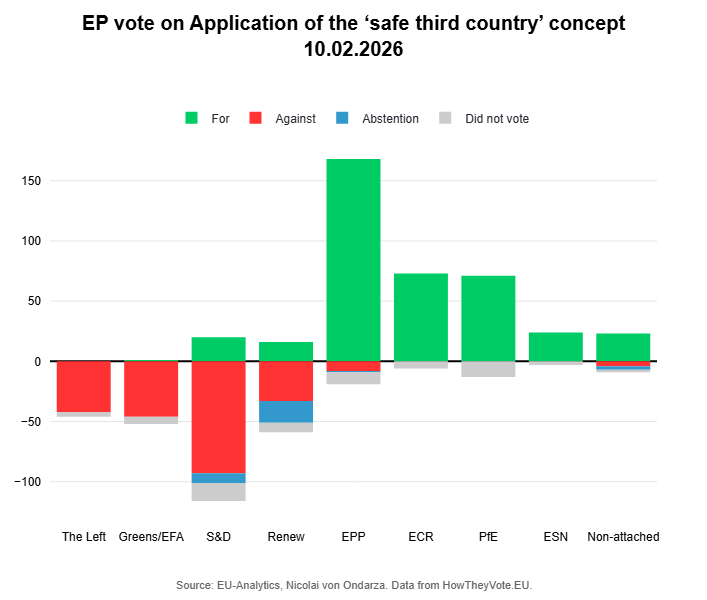
On March 26, 2023, Members of the European Parliament (MEPs) endorsed a controversial new deportation regime that significantly expands detention and policing measures against undocumented migrants. This legislative development, marked by collaboration between mainstream political parties and far-right groups, signals a troubling shift towards authoritarianism in European migration policy. The proposed law would mandate the detection of undocumented individuals in various public spaces and institutions, raising serious concerns about racial profiling and the erosion of civil liberties. As negotiations progress with European heads of state, the implications for migrants and the broader societal fabric of Europe remain profound and troubling.
Strategic Context
The political landscape of Europe has been increasingly influenced by far-right ideologies, particularly concerning migration and asylum policies. Over the past decade, the rise of populist movements has reshaped the discourse around migration, leading to a normalization of anti-immigrant rhetoric and policies. The recent endorsement of the Deportation Regulation by MEPs reflects this shift, as it represents a convergence of interests between traditional conservative parties and far-right factions, undermining the long-standing political consensus on human rights and the treatment of migrants. This legislative move comes at a time when public sentiment towards migration is polarized, with fears of economic strain and cultural dilution fueling support for stricter immigration controls.
Historically, the European Union has prided itself on upholding human rights and the rule of law. However, the increasing influence of far-right parties has prompted a reevaluation of these values, particularly in the context of migration. The proposed deportation regime, which includes provisions for extensive surveillance and detention, marks a departure from previous approaches that prioritized integration and support for asylum seekers. As the EU grapples with the challenges posed by migration, the balance between security and humanitarian obligations is being tested, raising critical questions about the future of European values.
Deep Analysis
The endorsement of the Deportation Regulation by MEPs is emblematic of a broader trend towards authoritarian governance within the EU, particularly in relation to migration. The law’s provisions for increased detention periods, including for vulnerable populations such as unaccompanied minors and families, reflect a punitive approach that prioritizes enforcement over compassion. This shift is further exacerbated by the introduction of invasive surveillance measures, which risk institutionalizing racial profiling and discrimination against marginalized communities. The legislative process has been marred by controversy, as allegations of collusion between mainstream parties and far-right groups have surfaced, undermining the integrity of democratic processes.
Moreover, the financial implications of implementing such a regime are significant. The expansion of detention facilities and policing powers will require substantial taxpayer funding, diverting resources away from essential public services. The EU’s border agency, Frontex, has already seen its budget increase dramatically, raising concerns about accountability and the potential for human rights violations in border enforcement practices. The normalization of mass deportation rhetoric not only endangers migrant communities but also poses a threat to the social fabric of European societies, as it fosters an environment of fear and division.
The political motivations behind the endorsement of the Deportation Regulation are multifaceted. Far-right parties have long advocated for stricter immigration controls and mass deportations, leveraging public anxiety over migration to gain electoral support. The collaboration between conservative politicians and far-right lawmakers represents a significant shift in the political landscape, breaking down barriers that previously separated these factions. This convergence raises alarms about the erosion of democratic norms and the potential for authoritarianism to take root in Europe, as the principles of solidarity and human rights are increasingly sidelined in favor of punitive measures.
Impact on Migrants
The proposed Deportation Regulation poses severe legal and social implications for migrants and refugees within the EU. By mandating the detection of undocumented individuals in public spaces such as schools and hospitals, the law effectively criminalizes access to essential services for vulnerable populations. This creates a chilling effect, discouraging migrants from seeking medical care or education for fear of deportation. The potential for racial profiling further exacerbates these challenges, as individuals may be targeted based on their appearance or ethnicity rather than their legal status. Such measures not only undermine the safety and well-being of migrants but also threaten the fundamental principles of equality and non-discrimination that underpin European values.
Additionally, the expansion of detention facilities and the introduction of offshore deportation hubs raise significant ethical concerns. The prospect of detaining families and unaccompanied minors in punitive environments mirrors practices seen in other countries, such as the United States, where the separation of families has drawn widespread condemnation. The normalization of such practices in Europe signals a troubling shift towards a more militarized and dehumanizing approach to migration, with far-reaching consequences for the dignity and rights of individuals seeking refuge and a better life.
Outlook & Conclusion
As the Deportation Regulation moves towards finalization, the future of migration policy in Europe hangs in the balance. The ability of EU governments to resist the encroachment of far-right ideologies and uphold the principles of human rights and solidarity will be critical in shaping the continent’s response to migration. The ongoing protests and mobilization of civil society organizations reflect a growing resistance to authoritarian policies, highlighting the need for a reimagined approach that prioritizes the dignity and rights of all individuals. The coming months will be pivotal in determining whether Europe can reclaim its commitment to humanitarian values or succumb to the pressures of fear and division.
Anchor Source: euobserver.com | Analyzed by AboMatrix AI Engine