


The Swiss Immigration Debate: Balancing Population Growth and Economic Needs
The upcoming vote on the SVP initiative 'No to 10 Million Switzerland' highlights the contentious issue of immigration in Switzerland, where the population is projected...

The Swiss Immigration Debate: Balancing Population Growth and Economic Needs
⏱ 5 min read
Executive Summary
The upcoming vote on the SVP initiative ‘No to 10 Million Switzerland’ highlights the contentious issue of immigration in Switzerland, where the population is projected to exceed 10 million by 2050. This initiative aims to limit immigration despite the economic reliance on foreign labor, raising concerns about the potential impact on bilateral relations with the EU and the Swiss economy. As population growth strains infrastructure and housing, the debate reflects broader European trends of demographic change and migration policy, necessitating a careful examination of the implications for both Swiss society and its migrant population.
Strategic Context
Switzerland currently has a population of approximately 9.1 million, with projections indicating growth to 10.3 million by 2050. This demographic increase is largely driven by immigration, which has become a focal point of political discourse. The Swiss Federal Statistical Office and the United Nations both anticipate continued population growth, which poses challenges such as increased traffic congestion, higher housing costs, and pressure on public services. The political landscape has been shaped by these demographic changes, leading to initiatives aimed at controlling immigration despite the economic benefits that a growing workforce provides.
In contrast, many EU countries are experiencing population decline, with Eurostat forecasting a peak in the EU population by 2026, followed by a decrease. This divergence in demographic trends highlights the varying impacts of migration across Europe. While countries like Ireland and the Netherlands are experiencing growth, others, particularly in Eastern Europe and Southern Europe, face significant population losses. Switzerland’s regional disparities are also notable, with urban centers like Zurich and Geneva experiencing high levels of immigration and rising living costs, prompting migration to surrounding cantons. This complex demographic landscape necessitates a nuanced understanding of immigration’s role in shaping both economic and social dynamics in Switzerland.
Deep Analysis
The SVP initiative ‘No to 10 Million Switzerland’ reflects a growing concern among segments of the Swiss population regarding the implications of immigration on national identity and resource allocation. Advocates for the initiative argue that limiting immigration is essential to maintaining quality of life and managing the strain on infrastructure. However, this perspective overlooks the critical role that immigration plays in addressing labor shortages and sustaining economic growth. Critics argue that the initiative could jeopardize Switzerland’s bilateral agreements with the EU, which are crucial for trade and labor mobility.
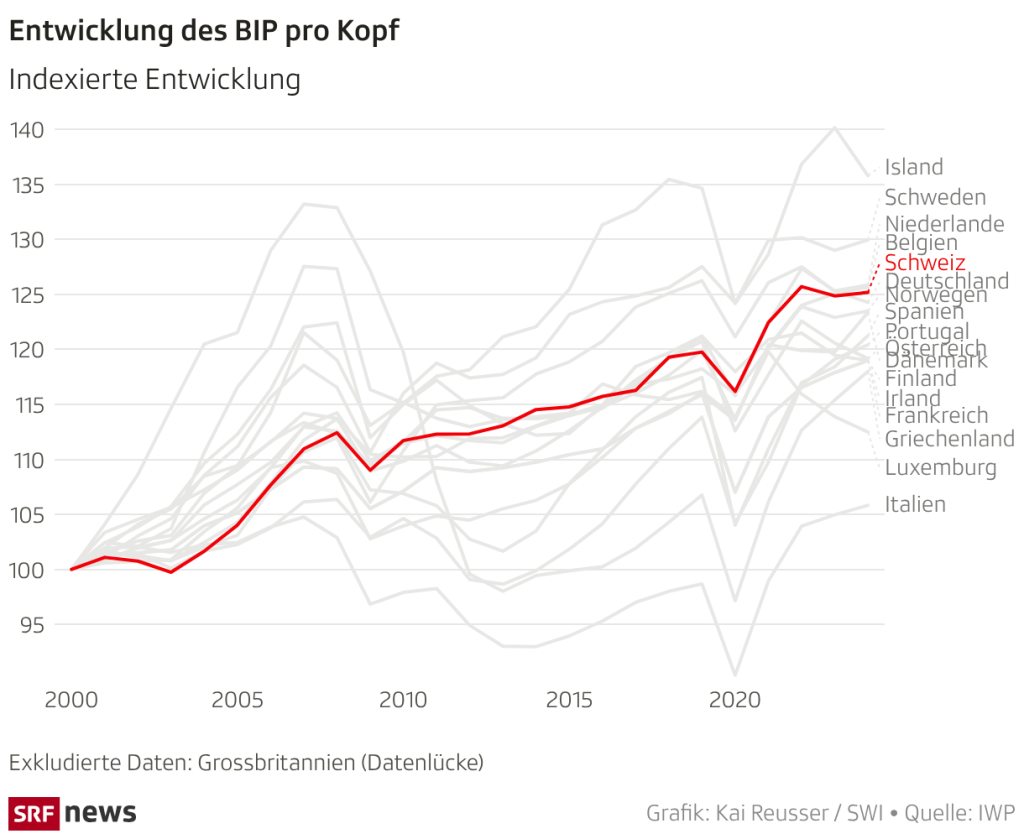
Economic analyses indicate that while immigration has contributed to Switzerland’s significant GDP growth, the benefits are not uniformly distributed. There is a growing concern among economists, such as Philippe Wanner, regarding the reliance on highly skilled migrants. As birth rates decline across Europe, the sustainability of this labor source is uncertain, raising questions about the future availability of skilled workers in Switzerland. The potential for a labor shortage could undermine the very economic stability that proponents of the initiative seek to protect.
Furthermore, the political motivations behind the initiative can be seen as part of a broader trend of populism and nationalism in Europe, where immigration is often scapegoated for various socio-economic issues. This framing can lead to policies that prioritize restrictive measures over inclusive approaches that recognize the contributions of migrants. The Swiss case illustrates the tension between economic necessity and political sentiment, emphasizing the need for a balanced discourse that considers both the benefits of immigration and the legitimate concerns of citizens.
Impact on Migrants
The proposed initiative poses significant legal and social implications for migrants and refugees in Switzerland. Should the initiative pass, it would likely lead to stricter immigration controls, making it more challenging for individuals seeking to enter or remain in the country. This could exacerbate existing vulnerabilities among migrant populations, particularly those from non-EU countries who already face more stringent entry requirements. The potential reduction in immigration could also hinder family reunification processes, further isolating migrant communities and impacting their social integration.
Socially, the initiative may foster an environment of uncertainty and fear among migrants, leading to increased stigmatization and discrimination. As public discourse shifts towards limiting immigration, the perception of migrants as a burden rather than contributors to society may become more entrenched. This could undermine efforts to promote social cohesion and integration, ultimately affecting the social fabric of Swiss society. It is crucial for policymakers to consider these impacts and engage with migrant communities to ensure that their voices are heard in the ongoing debate.
Outlook & Conclusion
Looking ahead, the outcome of the SVP initiative will have profound implications for Switzerland’s demographic and economic landscape. As the country grapples with the challenges of population growth and labor market demands, it is essential to strike a balance between managing immigration and recognizing its contributions to society. Future policies should aim to foster inclusive dialogue that addresses public concerns while also highlighting the benefits of a diverse and dynamic workforce. The evolving demographic trends in both Switzerland and Europe necessitate a forward-thinking approach to migration that prioritizes sustainability and social cohesion.
Anchor Source: srf.ch | Analyzed by AboMatrix AI Engine