


Nuclear Energy and Safety in Eastern Europe: A Comprehensive Analysis of Political, Legal, and Social Dynamics

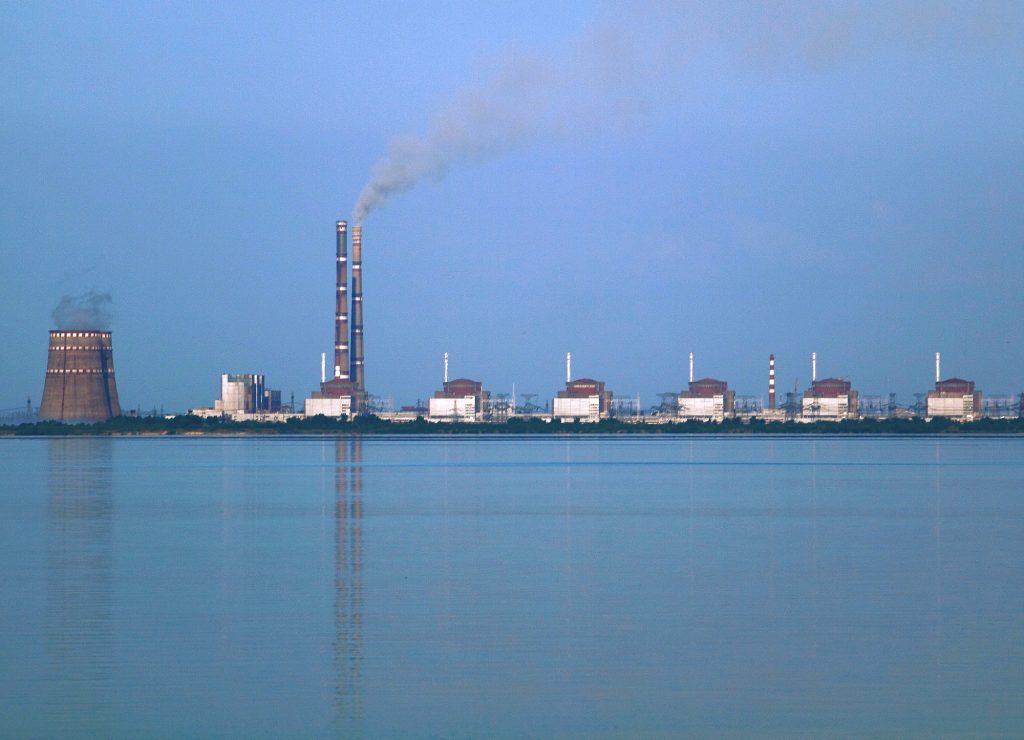
Nuclear Energy and Safety in Eastern Europe: A Comprehensive Analysis of Political, Legal, and Social Dynamics
Executive Summary
This study examines the multifaceted implications of nuclear energy and safety in Eastern Europe, particularly in the context of historical events such as the Chernobyl disaster and the ongoing geopolitical tensions exacerbated by the Russian invasion of Ukraine. It highlights the interplay between political ideologies, legal frameworks, and social perceptions surrounding nuclear energy, emphasizing the need for robust governance and international cooperation to mitigate risks associated with nuclear facilities in the region.
Strategic Context
The legacy of the Chernobyl disaster in 1986 continues to shape the nuclear landscape in Eastern Europe, influencing public perception, policy decisions, and international relations. The disaster exposed the vulnerabilities of nuclear energy systems, particularly in authoritarian regimes where transparency and accountability are often compromised. In the wake of Chernobyl, countries like Belarus and Bulgaria have grappled with the consequences of inadequate safety measures and the political ramifications of nuclear energy dependence. The current geopolitical climate, particularly the Russian aggression in Ukraine, has reignited fears of nuclear safety, as military actions threaten critical infrastructure and raise the specter of nuclear coercion. The occupation of Ukrainian nuclear facilities by Russian forces underscores the urgent need for a reevaluation of nuclear safety protocols and international governance structures to prevent potential catastrophes that could have far-reaching consequences across borders.
Deep Analysis
The political dynamics surrounding nuclear energy in Eastern Europe are deeply intertwined with historical legacies of totalitarianism and current geopolitical tensions. The Chernobyl disaster serves as a stark reminder of the catastrophic potential of nuclear accidents, particularly in states where governance structures prioritize ideological goals over public safety. In Belarus, for instance, President Alexander Lukashenko’s regime has fostered a dependency on Russian nuclear technology, despite the country’s traumatic history with radiation exposure. This dependency not only compromises national sovereignty but also perpetuates a cycle of vulnerability to external pressures, as seen in the context of the ongoing war in Ukraine. The militarization of nuclear facilities, particularly in Ukraine, raises critical questions about the adequacy of existing international legal frameworks to address the unique challenges posed by hybrid warfare and nuclear safety. The International Atomic Energy Agency (IAEA) has been unable to enforce demilitarized zones around nuclear sites, highlighting a significant governance gap that must be addressed to enhance regional security.
Moreover, the social dynamics surrounding nuclear energy in Eastern Europe reveal a complex interplay between historical memory and contemporary attitudes. In Poland, the Chernobyl disaster catalyzed a robust anti-nuclear movement in the 1980s, reflecting a societal demand for transparency and accountability in energy governance. However, as the memory of Chernobyl fades, public support for nuclear energy has surged, driven by concerns over energy security amid geopolitical instability. This shift underscores the need for a nuanced understanding of how historical events shape public perceptions and policy decisions in the present. The emergence of pro-nuclear sentiments among younger generations, coupled with a lack of widespread public debate, raises concerns about the potential for inadequate oversight and accountability in the development of new nuclear projects.
The legal frameworks governing nuclear energy in Eastern Europe are also in need of critical examination. The existing international treaties and agreements, while providing a foundation for cooperation, often fall short in addressing the complexities of nuclear safety in the context of armed conflict. The Russian invasion of Ukraine has exposed vulnerabilities in the legal architecture designed to protect nuclear facilities, as military actions directly threaten the safety of reactors and the surrounding populations. The failure to adequately address the intentional targeting of energy infrastructure as a potential crime against humanity further complicates the legal landscape, necessitating a reevaluation of international norms and standards governing nuclear safety and security.
In light of these challenges, the need for comprehensive risk management strategies becomes paramount. The integration of military and civilian perspectives on nuclear safety is essential for developing effective policies that address the unique risks posed by the current geopolitical climate. This includes enhancing the resilience of nuclear facilities through improved security measures, fostering international cooperation to monitor and respond to potential threats, and promoting public engagement in discussions surrounding nuclear energy and safety. The role of civil society in advocating for transparency and accountability cannot be overstated, as grassroots movements have historically played a crucial role in shaping energy policies and governance structures.
Finally, the implications of nuclear energy and safety extend beyond national borders, necessitating a collaborative approach to risk management in Eastern Europe. The interconnectedness of energy systems means that a nuclear incident in one country could have cascading effects across the region, highlighting the importance of regional cooperation and information sharing. Establishing robust frameworks for cross-border collaboration on nuclear safety, emergency preparedness, and response is essential for mitigating risks and enhancing regional security. This requires not only political will but also a commitment to fostering a culture of transparency and accountability in nuclear governance.
Key Findings
- The legacy of Chernobyl continues to influence public perception and policy decisions regarding nuclear energy in Eastern Europe.
- Geopolitical tensions, particularly the Russian invasion of Ukraine, have exacerbated concerns over nuclear safety and security.
- Existing international legal frameworks are inadequate to address the complexities of nuclear safety in the context of armed conflict.
- Public support for nuclear energy is increasing in some countries, despite historical traumas associated with nuclear accidents.
- There is a critical need for comprehensive risk management strategies that integrate military and civilian perspectives on nuclear safety.
Policy Recommendations
- Enhance international cooperation and legal frameworks to address the unique challenges posed by nuclear safety in conflict zones.
- Promote public engagement and transparency in discussions surrounding nuclear energy and safety to foster informed decision-making.
- Develop comprehensive risk management strategies that integrate military and civilian perspectives on nuclear safety.
- Establish robust frameworks for cross-border collaboration on nuclear safety, emergency preparedness, and response.
- Support civil society initiatives advocating for accountability and transparency in nuclear governance.
Conclusion
In conclusion, the interplay of political, legal, and social dynamics surrounding nuclear energy and safety in Eastern Europe necessitates a comprehensive and collaborative approach to risk management. The lessons learned from historical events such as Chernobyl must inform contemporary policies and governance structures to mitigate the risks associated with nuclear facilities in a rapidly changing geopolitical landscape. Only through robust international cooperation, public engagement, and a commitment to transparency can the region effectively address the challenges posed by nuclear energy and ensure the safety and security of its populations.