


Navigating the Turbulent Waters: European Energy Security Amid Geopolitical Challenges

Navigating the Turbulent Waters: European Energy Security Amid Geopolitical Challenges
Executive Summary
This study critically examines the multifaceted challenges facing European energy security in light of recent geopolitical upheavals, particularly the ongoing conflict in the Middle East and its implications for energy supply chains. It highlights the vulnerabilities inherent in Europe’s reliance on fossil fuels and the urgent need for a strategic overhaul towards renewable energy sources, LNG diversification, and nuclear energy integration. The analysis underscores the necessity for a cohesive EU energy policy that not only addresses immediate supply concerns but also fosters long-term resilience against future geopolitical shocks.
Strategic Context
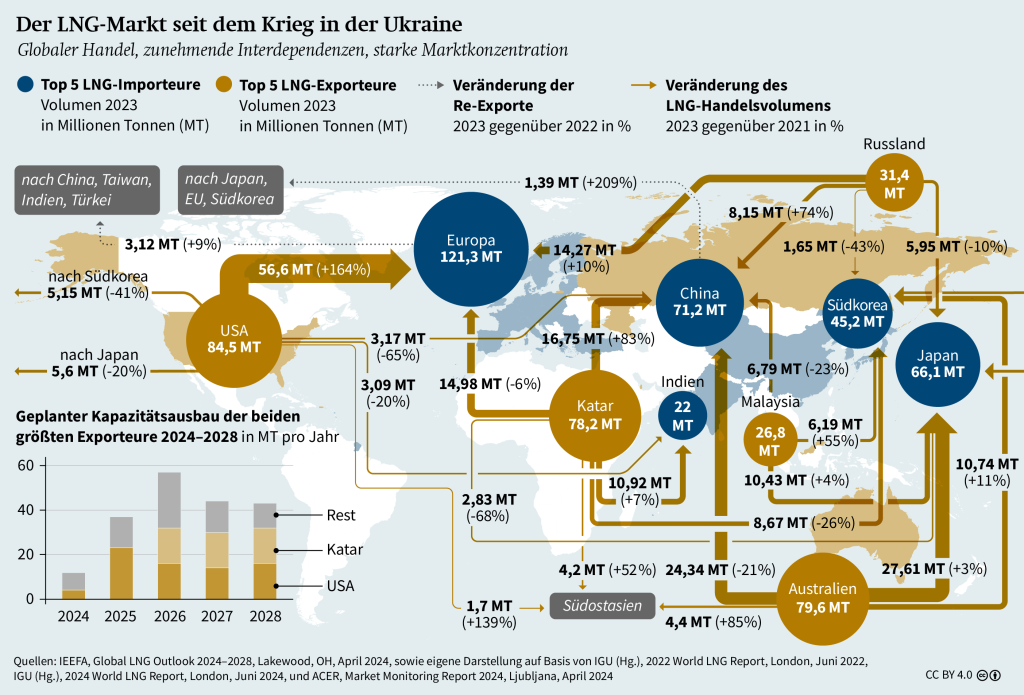
The geopolitical landscape of Europe has been profoundly affected by recent crises, particularly the war in the Middle East and the ongoing tensions surrounding the Strait of Hormuz. This strategic waterway is crucial for global energy flows, with approximately 20% of the world’s liquefied natural gas (LNG) trade passing through it. The Iranian blockade of this route has exacerbated Europe’s energy vulnerabilities, leading to soaring prices and supply disruptions. As Europe grapples with these challenges, the need for a robust energy security strategy has become increasingly apparent, especially in the wake of the lessons learned from the Russian invasion of Ukraine, which highlighted the perils of over-reliance on a single energy supplier.
Moreover, the EU’s historical dependence on fossil fuels, particularly natural gas from Russia, has left it exposed to price volatility and supply shocks. The energy crisis triggered by the Russian invasion of Ukraine saw gas prices soar to unprecedented levels, prompting urgent calls for diversification of energy sources. In this context, the EU’s commitment to the Green Deal and the transition towards renewable energy sources must be accelerated to mitigate future risks and enhance energy sovereignty. The interplay between energy security and geopolitical stability necessitates a comprehensive approach that encompasses not only energy supply diversification but also the integration of sustainable practices into the European energy framework.
Deep Analysis
The current energy crisis in Europe is emblematic of a broader systemic vulnerability rooted in geopolitical dynamics and economic dependencies. The ongoing conflict in the Middle East, particularly the Iranian blockade of the Strait of Hormuz, has significant implications for European energy security. The blockade has resulted in substantial disruptions to oil and LNG supplies, leading to increased prices and heightened competition among EU member states for limited resources. This situation underscores the urgent need for a strategic pivot towards renewable energy sources and a diversified energy supply chain that can withstand geopolitical shocks.
Furthermore, the EU’s reliance on fossil fuels, particularly natural gas, has been a critical factor in its energy insecurity. The Russian invasion of Ukraine served as a stark reminder of the risks associated with dependency on a single supplier. Prior to the conflict, Russia accounted for nearly 45% of EU gas imports, a figure that has since prompted a reevaluation of energy sourcing strategies. The EU’s response, characterized by financial support for energy-intensive industries and direct subsidies for consumers, has been reactive rather than proactive, revealing a lack of long-term strategic planning.
In light of these challenges, the EU must prioritize the development of renewable energy infrastructure. The deployment of wind and solar energy, while promising, faces significant barriers, including permitting and infrastructure challenges. A concerted effort to streamline these processes and promote small-scale renewable projects could enhance energy resilience and reduce dependency on fossil fuels. Additionally, the integration of nuclear energy into the European energy mix presents a viable solution for providing a stable and low-carbon energy supply, yet political hesitance and public opposition remain significant hurdles.
Moreover, the geopolitical landscape necessitates a reevaluation of the EU’s relationships with key energy-producing regions. The Gulf monarchies, traditionally viewed as partners in energy security, are now seeking reliable allies in the wake of shifting US foreign policy priorities. The EU has an opportunity to position itself as a strategic partner for these nations, fostering cooperation in energy production and security. This partnership could be further strengthened through joint investments in renewable energy projects and infrastructure development, thereby enhancing both parties’ energy security.
The implications of these geopolitical dynamics extend beyond energy supply; they also impact agricultural production and food security within Europe. The reliance on fossil fuel-based fertilizers, exacerbated by the current geopolitical tensions, has led to increased prices and supply shortages for European farmers. The EU must address these vulnerabilities by promoting sustainable agricultural practices and reducing dependency on synthetic fertilizers, thereby enhancing food sovereignty and resilience in the face of external shocks.
Finally, the EU’s approach to energy security must be holistic, encompassing not only supply diversification but also the establishment of a cohesive regulatory framework that promotes sustainable practices across all sectors. The integration of environmental considerations into energy policy will be crucial for achieving long-term resilience and ensuring that Europe is better equipped to navigate future geopolitical challenges.
Key Findings
- The ongoing geopolitical tensions, particularly in the Middle East, have significantly disrupted European energy supply chains, necessitating an urgent reevaluation of energy security strategies.
- The EU’s historical dependence on fossil fuels, especially natural gas from Russia, has exposed vulnerabilities that must be addressed through diversification and a transition to renewable energy sources.
- The integration of nuclear energy into the European energy mix presents a viable solution for enhancing energy security, yet political and public opposition remains a significant barrier.
- The EU must foster strategic partnerships with Gulf monarchies to enhance energy cooperation and security, particularly in light of shifting US foreign policy priorities.
Policy Recommendations
- Accelerate the deployment of renewable energy infrastructure by streamlining permitting processes and promoting small-scale renewable projects.
- Integrate nuclear energy into the European energy mix as a stable and low-carbon energy source, while addressing public concerns and regulatory barriers.
- Foster strategic partnerships with Gulf monarchies to enhance energy cooperation and security, including joint investments in renewable energy projects.
- Promote sustainable agricultural practices to reduce dependency on fossil fuel-based fertilizers and enhance food sovereignty within Europe.
Conclusion
In conclusion, the current geopolitical landscape presents both challenges and opportunities for European energy security. The EU must adopt a proactive and comprehensive approach that prioritizes renewable energy deployment, diversification of supply sources, and strategic partnerships with key energy-producing regions. By addressing the underlying vulnerabilities in its energy framework, Europe can enhance its resilience against future geopolitical shocks and ensure a sustainable and secure energy future.