


Powering Civilization: Vaclav Smil’s Insightful Journey Through Energy and Society

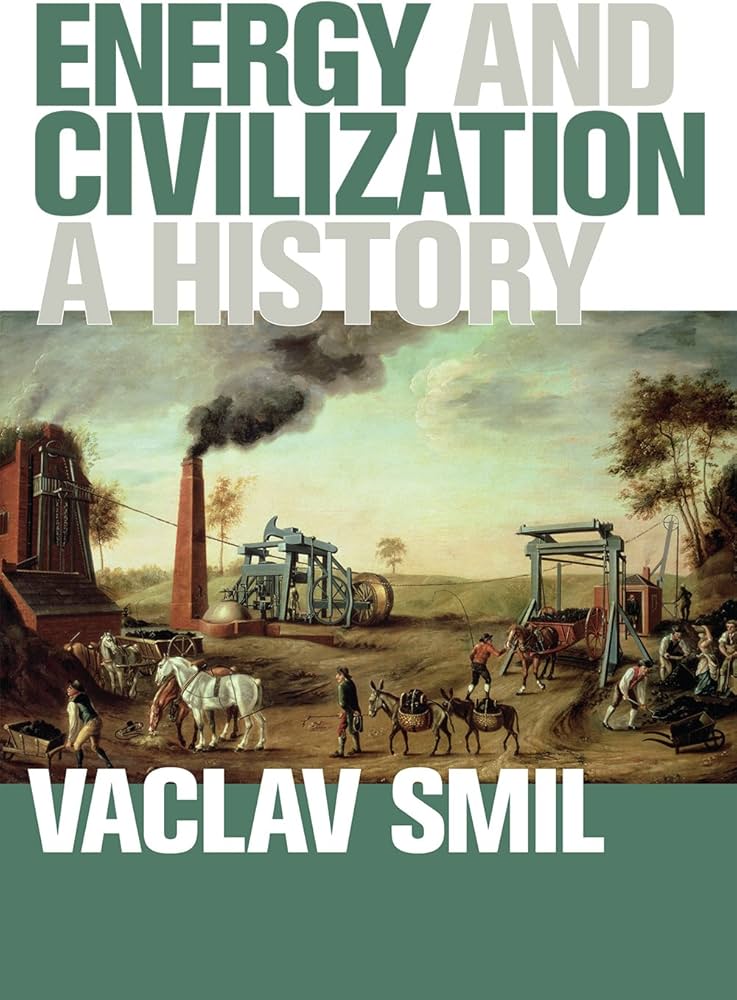
Powering Civilization: Vaclav Smil’s Insightful Journey Through Energy and Society
📚 Book Info: Energy and Civilization: A History by Vaclav Smil (2020)
In Brief
In ‘Energy and Civilization: A History’, Vaclav Smil meticulously chronicles the intricate relationship between energy consumption and societal development throughout human history. From the dawn of agriculture to the complexities of modern industrial societies, Smil illustrates how energy has been the cornerstone of civilization’s evolution. This profound exploration not only sheds light on past energy transitions but also provides critical insights into the challenges and opportunities that lie ahead in our quest for sustainable energy solutions in an increasingly interconnected world.
Core Ideas
- Energy as the foundation of societal development: Smil argues that energy has been a pivotal force in shaping human societies, influencing everything from agriculture to urbanization.
- The historical transitions in energy sources: The book details the major shifts in energy consumption—from biomass to fossil fuels—and their profound impacts on civilization.
- The implications of energy consumption on the environment: Smil highlights the environmental costs associated with energy production and consumption, underscoring the urgency of transitioning to sustainable practices.
- Future energy challenges: The narrative emphasizes the need for innovative energy solutions to address the pressing issues of climate change and resource depletion.
Deep Read
Vaclav Smil’s narrative in ‘Energy and Civilization’ is a sweeping historical account that connects the dots between energy consumption and the trajectory of human progress. Smil meticulously outlines how different civilizations harnessed energy to fuel their growth, from the agricultural innovations of ancient societies to the industrial revolutions that transformed economies and lifestyles. By examining the historical context of energy transitions, Smil provides a framework for understanding contemporary energy challenges. He argues that the reliance on fossil fuels has not only driven economic growth but has also led to significant environmental degradation, a theme that resonates deeply in today’s climate discourse.
Moreover, Smil’s analysis extends beyond mere historical recounting; he critically engages with the implications of our current energy practices. He emphasizes that the transition to renewable energy sources is not just a technological challenge but a societal one. The book serves as a clarion call for policymakers and the public alike to recognize the interconnectedness of energy, environment, and civilization. As Europe and the world grapple with the realities of climate change, Smil’s insights into the historical patterns of energy use provide valuable lessons for crafting sustainable futures.
💡 Why It Matters Now
In an era marked by climate urgency and energy insecurity, ‘Energy and Civilization’ is essential reading for policymakers, business leaders, and citizens alike. Smil’s comprehensive historical perspective equips readers with the knowledge to understand the complexities of energy transitions and the socio-economic implications of our choices. As Europe seeks to lead in the global shift towards sustainability, the lessons drawn from Smil’s work can inform strategies that balance economic growth with environmental stewardship.
Conclusion
Vaclav Smil’s ‘Energy and Civilization: A History’ is not just a historical account; it is a vital resource for understanding the past, present, and future of energy in shaping human civilization. As we stand at a crossroads in our energy journey, Smil’s insights challenge us to rethink our relationship with energy and to embrace innovative solutions that can sustain both our societies and the planet.