


Legal and Humanitarian Implications of Polish Asylum Restrictions at the Border: A Critical Analysis

Legal and Humanitarian Implications of Polish Asylum Restrictions at the Border: A Critical Analysis
Executive Summary
This paper critically examines the recent amendments to Polish asylum law, particularly the legal framework established in February 2025 that restricts the right to apply for international protection at the Polish-Belarusian border. The analysis situates these legal changes within the broader context of geopolitical tensions, notably the instrumentalisation of migration by Belarus and the ongoing conflict in Ukraine. The implications of these amendments for human rights, particularly the principle of non-refoulement, are explored, alongside the socio-political ramifications of Poland’s response to perceived threats at its borders. The paper concludes with recommendations aimed at aligning Polish asylum practices with international human rights standards.
Context & Background
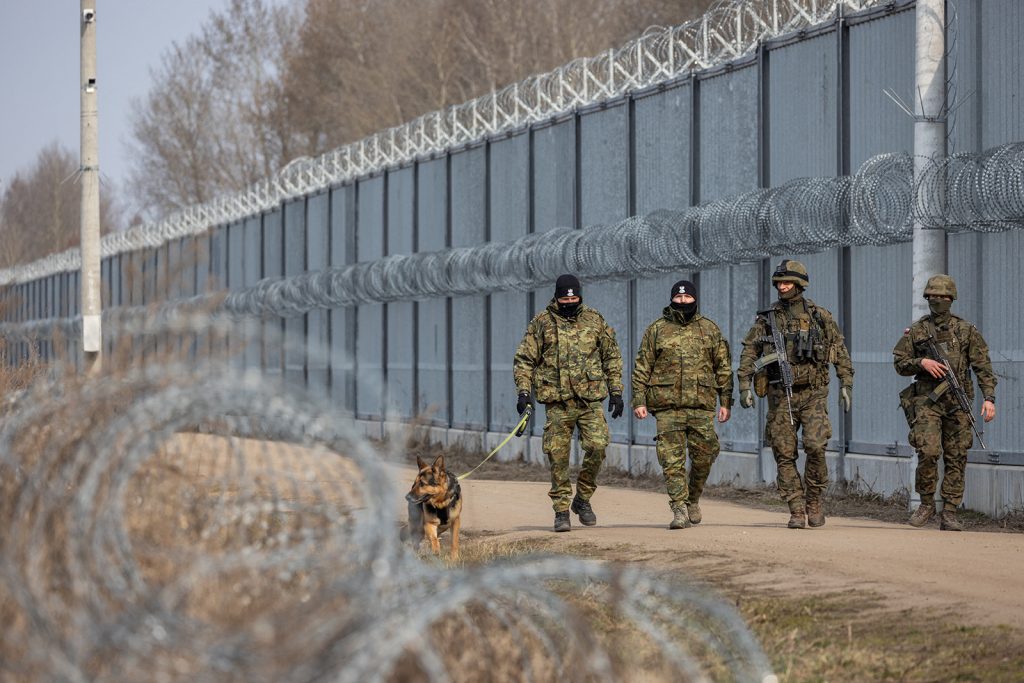
The Polish legal landscape regarding asylum has undergone significant transformations since July 2021, primarily in response to the geopolitical crisis stemming from Belarus’s actions following the 2020 presidential elections. The Polish government has framed its restrictive asylum policies as necessary measures to counteract the instrumentalisation of migration by Belarus, which allegedly seeks to destabilise Poland through orchestrated mass border crossings. This situation has been exacerbated by the ongoing conflict in Ukraine and the perceived threats from Russia, leading to heightened security measures along the Polish-Belarusian border. The introduction of a buffer zone and the implementation of push-back practices have raised serious concerns among human rights organisations and international bodies regarding the treatment of migrants and the adherence to international legal obligations, including the right to seek asylum.
The legal amendments enacted in February 2025, which allow for temporary restrictions on the right to apply for international protection, represent a significant shift in Poland’s asylum policy. These changes were introduced despite widespread criticism from various human rights institutions, including the UNHCR and the Helsinki Foundation for Human Rights. The new provisions permit the Polish government to impose restrictions based on the notion of ‘instrumentalisation,’ which is defined in the law as actions that threaten state security and public order. This legal framework raises critical questions about the compatibility of Poland’s asylum practices with the principle of non-refoulement and the broader implications for the protection of vulnerable individuals seeking refuge from persecution and violence.
Deep Analysis
The legal amendments to the Act on Granting Protection to Foreigners, particularly the introduction of Article 33a, reflect a troubling trend towards the legalisation of push-back practices at the Polish border. By allowing the Head of the Border Guard Office to dismiss asylum applications from individuals who have unlawfully crossed the border, the law effectively undermines the right to seek asylum as enshrined in international human rights law. The vague definition of ‘immediately’ in the context of applying for asylum further complicates the situation, as it opens the door for arbitrary interpretations that could deny individuals their rightful access to protection. This ambiguity is particularly concerning given the documented instances of violence and human rights abuses faced by migrants at the border, which have been highlighted by various human rights bodies.
Moreover, the legal framework established by the 2025 amendments raises significant ethical and humanitarian concerns. The exceptions outlined in Article 33b, which allow for the acceptance of asylum applications from vulnerable groups such as unaccompanied minors and pregnant women, are insufficient to address the broader implications of the law. The stipulation that these individuals may be denied asylum if they have used violence during their crossing further complicates their ability to seek protection. This approach not only risks violating the principle of non-refoulement but also fails to consider the complex realities faced by migrants who may resort to desperate measures in life-threatening situations.
The political dimensions of these legal changes cannot be overlooked. The Polish government’s actions appear to be driven by a combination of domestic political considerations and external pressures, particularly from the European Union. The framing of migration as a security threat has resonated with segments of the Polish electorate, leading to a political climate that prioritises border security over humanitarian obligations. This shift in public discourse has been facilitated by the government’s narrative that portrays migrants as potential threats to national security, thereby justifying increasingly restrictive measures. The implications of this narrative extend beyond Poland, influencing broader EU policies on migration and asylum, particularly in the context of the ongoing crisis at the EU’s external borders.
In light of these developments, it is imperative to critically assess the legal and humanitarian implications of Poland’s asylum restrictions. The potential for the European Court of Human Rights to rule on cases such as *R.A. and others v. Poland* will be pivotal in determining the future of asylum rights in Poland and the broader EU context. The outcomes of these cases could set important precedents regarding the treatment of migrants and the obligations of states under international law, particularly in situations of instrumentalisation of migration. As the situation at the Polish-Belarusian border continues to evolve, the need for a balanced approach that prioritises both national security and the protection of human rights has never been more urgent.
Methodology
This analysis is based on a review of primary policy documents.
Anchor Source: eumigrationlawblog.eu
Recommendations
- Reassess the legal framework governing asylum applications to ensure compliance with international human rights obligations.
- Implement training programs for border guards and law enforcement officials on human rights standards and the principle of non-refoulement.
- Enhance transparency and accountability mechanisms for border control practices to prevent human rights abuses.
- Engage in dialogue with international human rights organisations to address concerns regarding the treatment of migrants at the border.
- Consider the establishment of independent monitoring bodies to oversee border practices and ensure compliance with legal standards.
Conclusion
In conclusion, the recent amendments to Polish asylum law represent a significant departure from established international human rights norms and raise critical concerns regarding the treatment of vulnerable migrants. The legal framework established in 2025, while ostensibly aimed at addressing security threats, risks undermining the fundamental right to seek asylum and could lead to further human rights violations at the border. It is essential for Poland to align its asylum practices with international standards, ensuring that the protection of human rights remains at the forefront of its response to migration challenges.