


Legal and Political Implications of the Ongoing Construction of the Ballroom at the White House under the Trump Administration

Legal and Political Implications of the Ongoing Construction of the Ballroom at the White House under the Trump Administration
Executive Summary
This paper examines the recent decision by a U.S. appeals court allowing the continuation of construction for a new ballroom at the White House, amidst ongoing legal disputes regarding its implications for historical preservation and national security. The analysis highlights the legal arguments presented by both the Trump administration and preservation advocates, the broader social and political ramifications of the project, and the potential impact on the integrity of the White House as a national symbol. Ultimately, this case encapsulates the tensions between executive power, historical preservation, and public accountability in contemporary American governance.
Context & Background
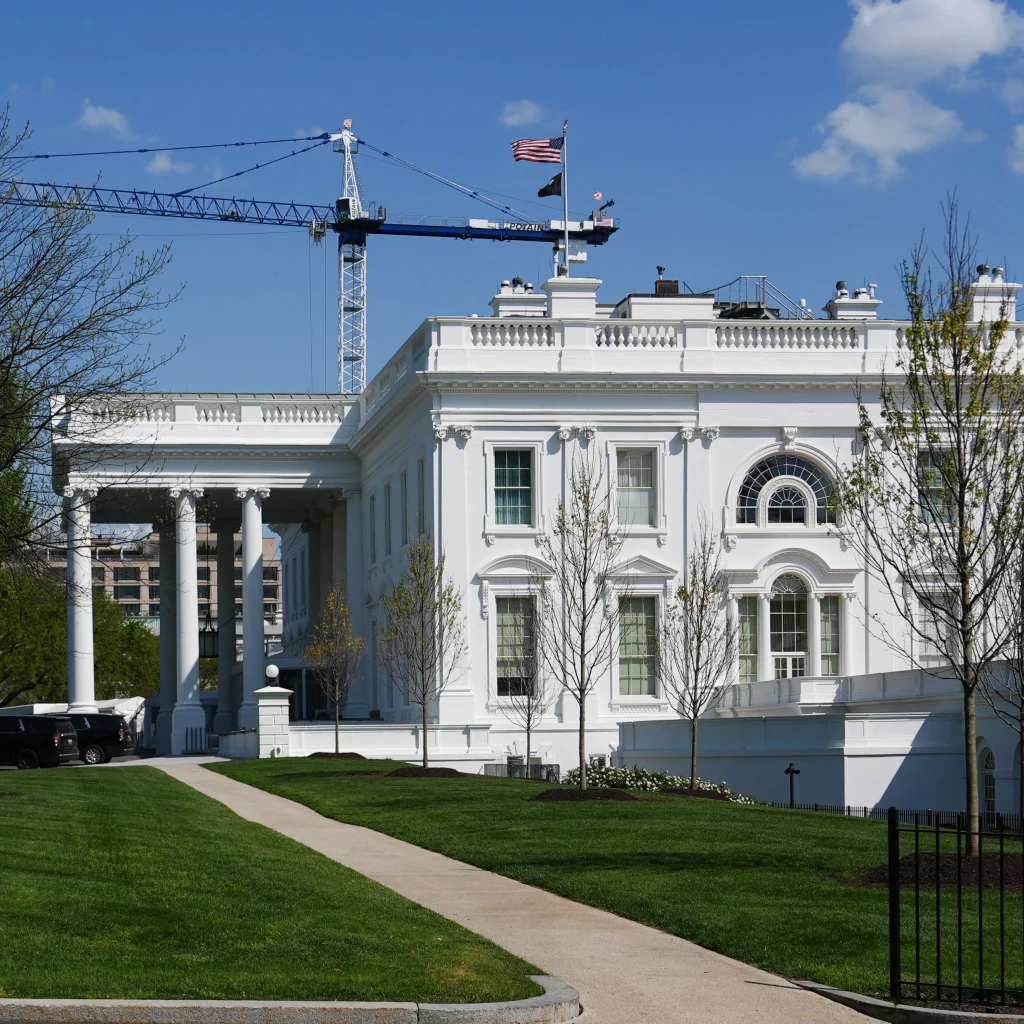
The construction of a new ballroom adjacent to the White House has sparked significant legal and public debate, particularly following the decision by a Washington D.C. appeals court to permit the continuation of the project despite a prior ruling that had imposed a temporary construction halt. This legal battle centers on the actions of President Donald Trump, who authorized the demolition of the historic East Wing of the White House to facilitate the new construction, a move that has drawn the ire of prominent preservation organizations. These groups argue that the new structure threatens to overshadow the historical significance of the White House, a designated National Historic Landmark, and could set a dangerous precedent for future alterations to federally protected sites.
The legal proceedings have unfolded against a backdrop of heightened scrutiny of presidential authority and the role of Congress in approving significant expenditures related to the White House. The Trump administration contends that the ballroom’s construction is essential for national security, asserting that the new facility will provide necessary protective measures against potential threats. This argument has been met with skepticism by critics who question the validity of linking a social venue to national security imperatives. The case thus raises critical questions about the balance of power between the executive branch and legislative oversight, as well as the implications of prioritizing security over historical preservation.
Deep Analysis
The legal discourse surrounding the ballroom construction reveals a complex interplay between executive authority and legislative oversight. The appeals court’s decision to allow construction to proceed reflects a judicial inclination to defer to the executive branch on matters deemed critical to national security. However, this deference raises concerns about the potential erosion of checks and balances that are foundational to American governance. The assertion by the Trump administration that the ballroom is integral to national security underscores a broader trend in which executive claims of security needs can override public accountability and historical preservation efforts.
Moreover, the arguments presented by preservation advocates highlight the societal implications of such executive actions. The preservation of historical sites is not merely an aesthetic concern; it is intrinsically linked to national identity and collective memory. The potential alteration of the White House’s historical landscape poses risks to the public’s connection to its heritage, as well as to the integrity of the site as a symbol of democratic governance. The ongoing legal battle thus serves as a microcosm of the broader tensions within American society regarding the value placed on historical preservation versus the perceived necessity of security enhancements.
The political ramifications of this case are equally significant. The construction of the ballroom amidst legal challenges and public opposition could be perceived as emblematic of the Trump administration’s broader approach to governance—prioritizing personal and political ambitions over institutional norms and public sentiment. This situation may galvanize opposition movements and fuel further scrutiny of the administration’s actions, particularly as the nation approaches critical electoral milestones. The juxtaposition of a lavish construction project against a backdrop of pressing social issues may also serve to alienate segments of the electorate who view such expenditures as misaligned with public priorities.
In conclusion, the ongoing legal and political discourse surrounding the ballroom construction at the White House encapsulates a critical moment in American governance. It raises essential questions about the balance of power, the role of historical preservation in national identity, and the implications of executive actions on public trust and accountability. As the case progresses, it will be imperative to monitor the broader societal and political responses to these developments, particularly in the context of an increasingly polarized political landscape.
Methodology
This analysis is based on a review of primary policy documents.
Anchor Source: www.faz.net
Recommendations
- Strengthen legislative oversight mechanisms to ensure that significant alterations to federally protected sites undergo thorough public review and approval.
- Enhance public engagement initiatives to involve citizens in discussions regarding historical preservation and the implications of executive actions.
- Establish clearer guidelines for linking national security claims to construction projects, ensuring that such claims are substantiated and transparent.
- Promote interdisciplinary collaboration between legal, historical, and architectural experts to assess the impact of proposed changes to historical sites.
Conclusion
The decision to allow the continuation of the ballroom construction at the White House amidst ongoing legal challenges underscores critical tensions between executive authority, historical preservation, and public accountability. As this case unfolds, it will serve as a pivotal moment for assessing the future of governance in the United States, particularly in terms of how historical sites are treated in the context of contemporary political and security imperatives.