


The Deteriorating Situation of Sudanese Refugees in Egypt: A Policy Analysis
The Egyptian government's recent crackdown on Sudanese refugees, marked by brutal detentions and deportations, reflects a troubling compliance with EU migration policie...

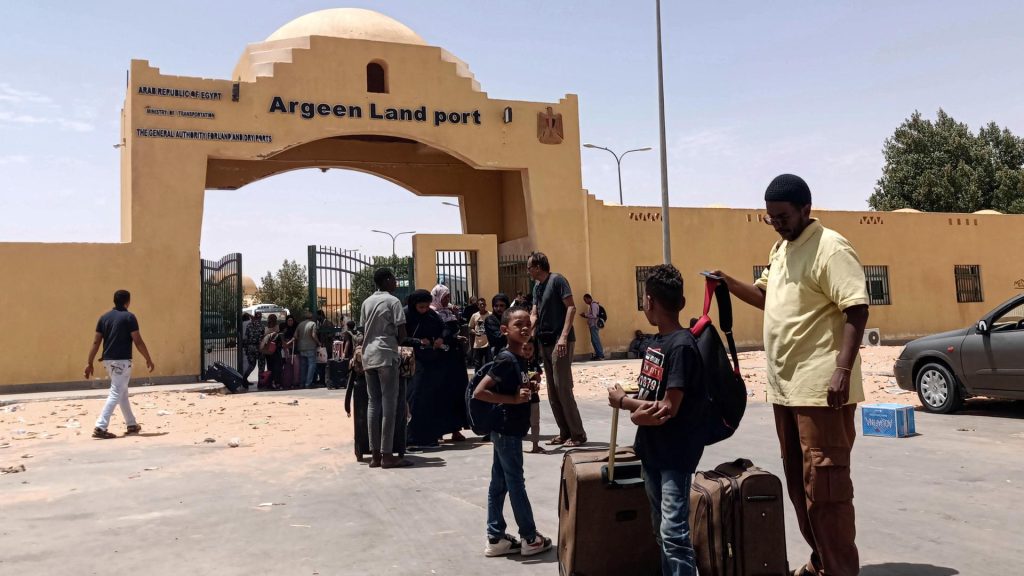
The Deteriorating Situation of Sudanese Refugees in Egypt: A Policy Analysis
⏱ 3 min read
Executive Summary
The Egyptian government’s recent crackdown on Sudanese refugees, marked by brutal detentions and deportations, reflects a troubling compliance with EU migration policies. This briefing examines the implications of Egypt’s actions, particularly in light of its strategic partnership with the EU, and highlights the dire consequences for vulnerable populations seeking asylum.
Strategic Context
Historically, Egypt has served as a refuge for Sudanese migrants, bolstered by the ‘Two Countries Four Freedoms Treaty’ established in 2004, which facilitated travel and residency between the two nations. However, the outbreak of conflict in Sudan in April 2023 led to a significant influx of Sudanese refugees into Egypt, with approximately 1.5 million fleeing to escape violence. Despite this, the Egyptian authorities have increasingly restricted entry and asylum processes, culminating in a formal suspension of the treaty in June 2023, which has forced many refugees into precarious and dangerous situations.
Deep Analysis
The recent escalation of Egypt’s crackdown on Sudanese refugees can be traced back to a strategic partnership agreement signed with the EU in March 2024, which included financial aid aimed at enhancing ‘migration management.’ This partnership has incentivized Egypt to adopt harsher measures against refugees, effectively prioritizing border control over human rights. The introduction of a new asylum law in late 2024, which transferred registration responsibilities from the UNHCR to the Egyptian government, has further exacerbated the plight of refugees, leading to a lack of transparency and accountability in the asylum process. Critics argue that the law was enacted without adequate public discourse or parliamentary scrutiny, raising concerns about its legitimacy and the potential for abuse.
Impact on Migrants
The direct impact of these policies on Sudanese refugees has been devastating. Reports indicate that individuals, including those with UNHCR refugee status, have been subjected to arbitrary detention, violence, and inhumane conditions within Egyptian prisons. The case of Elnatheer Elsadiq, who died in custody after being denied medical care, exemplifies the lethal consequences of this crackdown. Furthermore, the UNHCR’s diminished presence and capacity in Egypt has left many refugees vulnerable to arrest and deportation, as they are unable to access necessary legal protections or support. The situation has led to widespread fear among the Sudanese community, with many avoiding areas with significant Sudanese populations to evade police scrutiny.
Outlook & Conclusion
Looking ahead, the trajectory of Sudanese refugees in Egypt remains precarious. The combination of restrictive policies, deteriorating human rights conditions, and a lack of international oversight poses significant risks to the safety and well-being of these vulnerable populations. As the EU continues to prioritize migration control over humanitarian considerations, it is imperative for international actors to advocate for the protection of refugees and to hold Egypt accountable for its obligations under international law.
Anchor Source: taz.de | Analyzed by AboMatrix AI Engine