


Nuclear Energy and Security: Analyzing the Political, Legal, and Social Dynamics in Post-Soviet Europe

Nuclear Energy and Security: Analyzing the Political, Legal, and Social Dynamics in Post-Soviet Europe
Executive Summary
This study examines the intricate relationship between nuclear energy and security in the context of post-Soviet Europe, particularly in light of the ongoing conflict in Ukraine and the historical legacy of the Chernobyl disaster. It highlights how nuclear facilities have become focal points of geopolitical tension, with states leveraging them as instruments of power and coercion. The analysis reveals the inadequacies of existing international governance frameworks in addressing the militarization of nuclear energy and the urgent need for comprehensive legal reforms to enhance nuclear safety and security across Europe.
Strategic Context
The geopolitical landscape of Europe has been profoundly influenced by the legacy of the Chernobyl disaster, which serves as a stark reminder of the potential catastrophic consequences of nuclear energy mishandling. The disaster not only exposed the vulnerabilities of Soviet-era nuclear infrastructure but also catalyzed a wave of anti-nuclear sentiment across Eastern Europe, leading to significant political and social movements. In recent years, however, the resurgence of militarized conflict, particularly the Russian invasion of Ukraine, has recontextualized nuclear energy as a strategic asset, raising concerns about the safety and security of nuclear facilities in conflict zones.
As Russia has occupied key nuclear sites in Ukraine, such as the Zaporizhzhia Nuclear Power Plant, the risks associated with nuclear energy have escalated dramatically. The deliberate targeting of energy infrastructure has underscored the potential for nuclear facilities to be weaponized, transforming them into tools of coercion in geopolitical conflicts. This situation has revealed the inadequacies of existing international governance mechanisms, such as the International Atomic Energy Agency (IAEA), which lack the authority to enforce demilitarized zones around nuclear sites, thereby exacerbating the risks associated with nuclear energy in volatile regions.
Deep Analysis
The militarization of nuclear energy in Ukraine represents a significant departure from the traditional understanding of nuclear safety, which has primarily focused on technical and operational aspects. The current conflict has highlighted the need for a paradigm shift in how nuclear energy is perceived and managed, particularly in regions prone to military conflict. The occupation of nuclear facilities not only endangers the immediate vicinity but also poses a broader threat to regional and global security, as any incident could have far-reaching consequences beyond national borders.
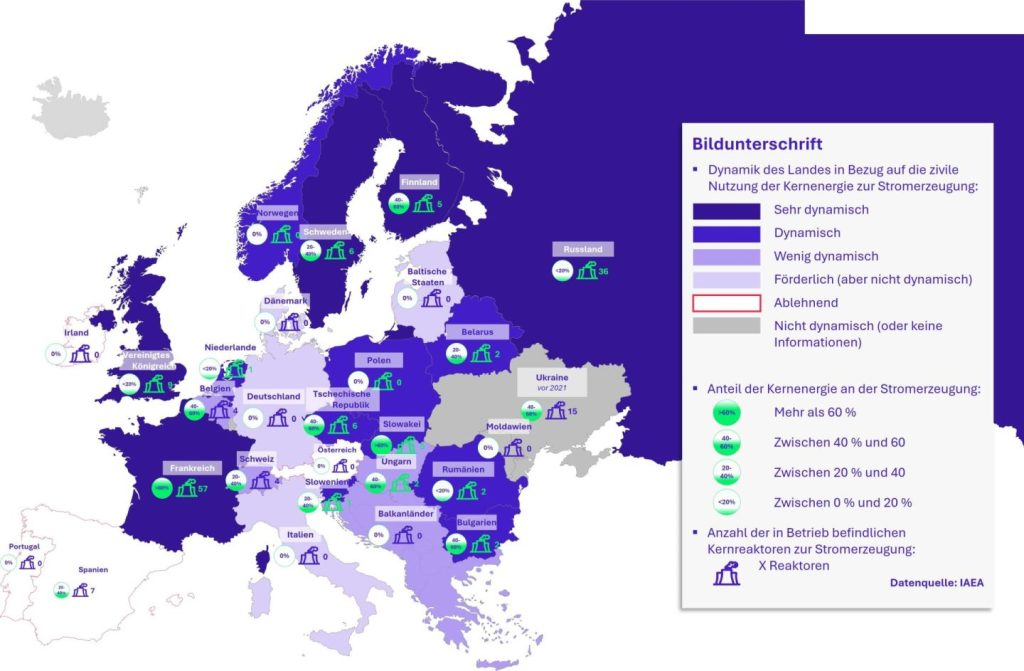
Moreover, the historical context of Chernobyl continues to shape public perception and policy regarding nuclear energy in Eastern Europe. In countries like Belarus, the legacy of the disaster has been manipulated by authoritarian regimes to suppress dissent and maintain control over energy policies. The lack of transparency and accountability in the management of nuclear facilities has led to a culture of fear and mistrust among the populace, further complicating efforts to address nuclear safety concerns. This dynamic is particularly evident in Belarus, where the government has prioritized nuclear dependency on Russia despite the historical trauma associated with Chernobyl.
In Poland, the shifting public sentiment towards nuclear energy reflects a complex interplay of historical memory and contemporary geopolitical realities. The initial anti-nuclear movement that emerged in the wake of Chernobyl has largely dissipated, giving way to a renewed interest in nuclear energy as a means of ensuring energy security amidst rising tensions with Russia. This shift raises critical questions about the role of public engagement and democratic processes in shaping energy policy, particularly in light of the historical context of state suppression and manipulation of environmental issues.
The legal frameworks governing nuclear energy in Europe are also in urgent need of reform. The current international legal regime lacks the necessary mechanisms to address the unique challenges posed by the militarization of nuclear facilities. The absence of binding agreements that explicitly prohibit the use of nuclear sites as military assets undermines the principles of nuclear safety and security. Furthermore, the existing governance structures are ill-equipped to respond to the complexities of hybrid warfare, where nuclear energy becomes intertwined with military strategy.
As the conflict in Ukraine continues to unfold, the implications for nuclear energy security extend beyond immediate military concerns. The potential for nuclear incidents to trigger humanitarian crises and environmental disasters necessitates a comprehensive reassessment of nuclear governance in Europe. This includes the establishment of robust legal frameworks that prioritize the protection of nuclear facilities from military actions and ensure accountability for violations of international norms. Additionally, fostering greater transparency and public participation in nuclear decision-making processes is essential to rebuild trust and enhance the legitimacy of nuclear policies in the region.
Finally, the intersection of nuclear energy and security raises profound ethical questions about the responsibilities of states in managing nuclear risks. The historical injustices associated with Chernobyl serve as a reminder of the moral imperative to prioritize human safety and environmental protection over geopolitical ambitions. As Europe grapples with the challenges of energy security in a rapidly changing geopolitical landscape, the lessons of the past must inform future policies and practices regarding nuclear energy.
Key Findings
- The militarization of nuclear energy in Ukraine has transformed nuclear facilities into strategic assets in geopolitical conflicts, raising significant safety concerns.
- Historical legacies, particularly the Chernobyl disaster, continue to shape public perception and policy regarding nuclear energy in Eastern Europe, influencing state behavior and public trust.
- Existing international governance frameworks are inadequate to address the complexities of nuclear militarization, necessitating comprehensive legal reforms to enhance nuclear safety and security.
Policy Recommendations
- Establish binding international agreements that explicitly prohibit the militarization of nuclear facilities and ensure their protection from military actions.
- Enhance public engagement and transparency in nuclear decision-making processes to rebuild trust and legitimacy in nuclear policies across Europe.
Conclusion
The intersection of nuclear energy and security in post-Soviet Europe presents a complex and urgent challenge that demands a reevaluation of existing governance frameworks and public policies. The lessons learned from the Chernobyl disaster must inform contemporary approaches to nuclear safety and security, emphasizing the need for robust legal protections and greater public participation in decision-making processes. As Europe navigates the geopolitical tensions surrounding nuclear energy, prioritizing human safety and environmental integrity will be essential to prevent future crises and ensure a sustainable energy future.