


The Erosion of Voting Rights: Analyzing the Supreme Court’s Decision on the Voting Rights Act under the Trump Administration

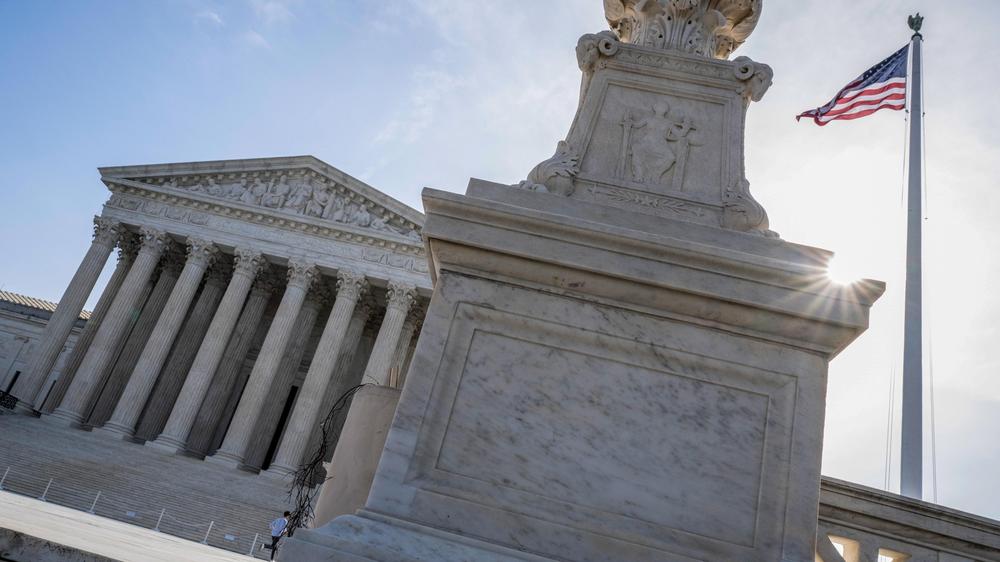
The Erosion of Voting Rights: Analyzing the Supreme Court’s Decision on the Voting Rights Act under the Trump Administration
Executive Summary
This paper examines the recent decision by the United States Supreme Court which has significantly weakened the Voting Rights Act of 1965, particularly in relation to the consideration of race in the redistricting process. The ruling, driven by the conservative majority, raises critical concerns regarding the legal, social, and political implications of such a shift in judicial interpretation. The analysis highlights the potential for systemic disenfranchisement of minority voters, particularly African Americans, and discusses the broader ramifications for electoral integrity and democratic representation in the United States.
Context & Background
The Voting Rights Act of 1965 was a landmark piece of federal legislation aimed at eliminating racial discrimination in voting, particularly in the Southern states where such practices were rampant. The Act provided federal oversight of voter registration and electoral processes in jurisdictions with a history of discriminatory practices. However, the recent ruling by the Supreme Court, which allows states to draw electoral districts without regard to racial demographics, represents a significant departure from the protections afforded by the Act. This decision comes at a time when the political landscape in the United States is increasingly polarized, with minority groups often voting overwhelmingly for Democratic candidates, thereby raising concerns about the motivations behind such judicial interpretations.
The case in question involved Louisiana’s redistricting efforts, where the state had created districts to ensure a majority of Black voters could elect representatives of their choice. The conservative justices, led by Justice Samuel Alito, argued that considering race in districting violates the constitutional principle of equal protection under the law. This ruling has been met with fierce criticism from liberal justices, notably Elena Kagan, who described it as the ‘complete dismantling’ of the Voting Rights Act. The implications of this decision extend beyond Louisiana, as it sets a precedent that could embolden other states to implement similar redistricting strategies that dilute the voting power of minority populations.
Deep Analysis
The Supreme Court’s ruling has profound legal implications, as it fundamentally alters the interpretation of the 14th Amendment’s Equal Protection Clause. By asserting that race cannot be a factor in electoral districting, the Court effectively undermines the very purpose of the Voting Rights Act, which was designed to combat systemic racism in electoral processes. This shift raises questions about the role of the judiciary in protecting minority rights and the extent to which the Court is willing to engage with issues of racial equity in the electoral system. Legal scholars and civil rights advocates argue that this decision could lead to a resurgence of discriminatory practices that the Voting Rights Act sought to eradicate.
Socially, the ruling exacerbates existing inequalities in political representation. With minority groups, particularly African Americans, historically facing barriers to voting, the Court’s decision may facilitate further disenfranchisement. As states are now empowered to redraw districts without considering racial demographics, the potential for gerrymandering increases, allowing for the dilution of minority voting power. This could lead to a significant underrepresentation of these groups in legislative bodies, perpetuating a cycle of marginalization and exclusion from the political process.
Politically, the ramifications of this decision are likely to favor the Republican Party, which traditionally benefits from lower voter turnout among minority populations. By weakening the protections of the Voting Rights Act, the Court’s ruling could enable states to implement more restrictive voting laws and practices that disproportionately affect minority voters. This aligns with broader trends observed during the Trump administration, where there has been a concerted effort to reshape electoral laws in ways that favor Republican interests. The decision thus not only reflects the ideological leanings of the current Supreme Court but also signals a broader political strategy aimed at consolidating power by undermining the electoral influence of minority groups.
In summary, the Supreme Court’s decision to weaken the Voting Rights Act represents a critical juncture in the ongoing struggle for racial equity in the United States. It raises urgent questions about the future of voting rights and the integrity of the democratic process, as well as the role of the judiciary in safeguarding these fundamental rights. The intersection of law, society, and politics in this context underscores the need for vigilant advocacy and potential legislative responses to counteract the adverse effects of this ruling.
Methodology
This analysis is based on a review of primary policy documents.
Anchor Source: www.faz.net
Recommendations
- Reinstate and strengthen the provisions of the Voting Rights Act to ensure robust protections against racial discrimination in voting.
- Implement federal oversight of state redistricting processes to prevent gerrymandering and ensure fair representation of minority populations.
- Encourage states to adopt inclusive electoral policies that facilitate voter registration and participation among underrepresented groups.
- Promote public awareness campaigns to educate citizens about their voting rights and the importance of equitable representation in the electoral process.
Conclusion
In conclusion, the Supreme Court’s recent ruling on the Voting Rights Act poses significant threats to the progress made in the fight against racial discrimination in voting. It highlights the precarious nature of legal protections for minority voters and underscores the urgent need for renewed advocacy and legislative action to safeguard electoral rights. As the political landscape continues to evolve, it is imperative that stakeholders remain vigilant in their efforts to uphold the principles of democracy and ensure that all citizens have equal access to the ballot box.