


Tax Reform Sparks Debate Over Redistribution

Daily Monitor
September 25, 2026
Tax Reform Sparks Debate Over Redistribution
Germany’s income tax reform ignites fierce political debate over fairness, growth, and fiscal responsibility.
Germany’s political landscape is abuzz with heated discussions surrounding the proposed reform of income tax, slated to take effect in January 2027. The coalition government aims to alleviate the financial burden on small and middle-income earners, but the path to achieving this goal has sparked intense debate among political leaders. The reform, considered one of the most significant undertakings of the coalition, has drawn sharp criticism and divergent views from key figures across the political spectrum.
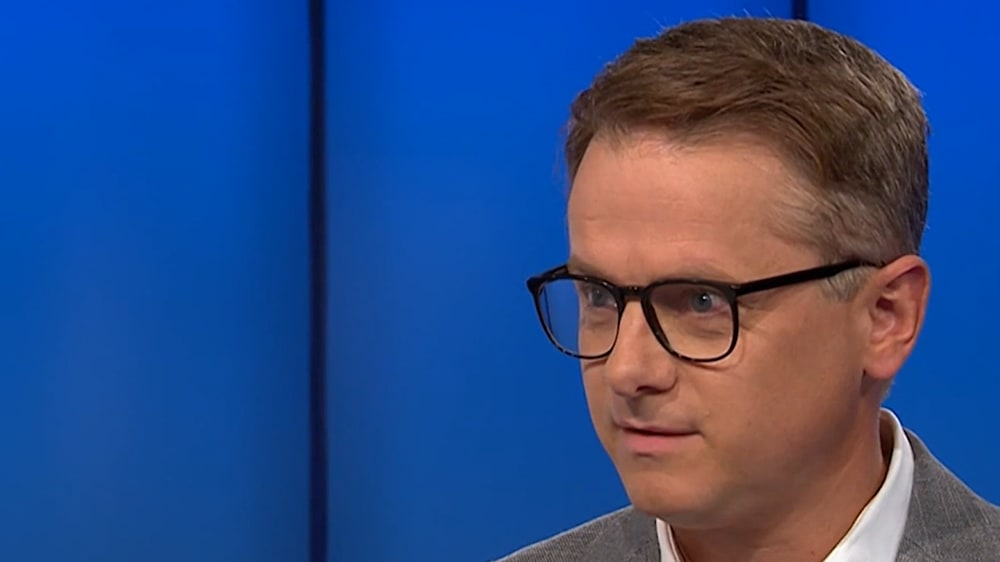
CDU General Secretary Carsten Linnemann has voiced concerns about the potential impact of the reform on Germany’s middle class and small businesses. Speaking to ARD, Linnemann emphasized the importance of avoiding undue strain on these groups, stating, ‘We have a bit of concern that the middle class and craftsmanship might be left behind.’ While he did not rule out an increase in taxes for the wealthiest, Linnemann stressed the need for a balanced approach that prioritizes economic growth and fiscal sustainability. He proposed that government ministries should cut their budgets by up to three percent to offset the costs of tax relief measures, arguing that such savings could yield billions in funding.
Meanwhile, the Social Democratic Party (SPD) has championed a more redistributive approach, advocating for higher contributions from individuals with substantial incomes and wealth. Annika Klose, the SPD’s labor and social policy spokesperson, underscored the party’s commitment to ensuring that the affluent shoulder a greater share of the financial burden. ‘It is extremely important for us that those with significant income and assets contribute more,’ Klose stated, while acknowledging the high costs associated with relieving lower and middle-income earners. She hinted at ongoing negotiations within the coalition to determine the feasibility of providing at least €500 more annually to these groups.
Adding to the debate, Wolfgang Kubicki, leader of the Free Democratic Party (FDP), has called for more radical measures to reduce taxes and government spending. Kubicki criticized the current proposals as insufficient, advocating for deeper cuts to state expenditures to fund tax relief. ‘There’s a lot more that can be done,’ Kubicki remarked, suggesting that the government’s approach lacks ambition in addressing fiscal inefficiencies.
As the coalition prepares to meet at the Chancellery this week, the stakes are high. The reform’s success hinges on striking a delicate balance between redistributive justice and economic growth, a challenge that continues to polarize Germany’s political leaders. The outcome of these negotiations will undoubtedly shape the nation’s fiscal future and its broader economic trajectory.
CDU General Secretary Carsten Linnemann has voiced concerns about the potential impact of the reform on Germany’s middle class and small businesses. Speaking to ARD, Linnemann emphasized the importance of avoiding undue strain on these groups, stating, ‘We have a bit of concern that the middle class and craftsmanship might be left behind.’ While he did not rule out an increase in taxes for the wealthiest, Linnemann stressed the need for a balanced approach that prioritizes economic growth and fiscal sustainability. He proposed that government ministries should cut their budgets by up to three percent to offset the costs of tax relief measures, arguing that such savings could yield billions in funding.
Meanwhile, the Social Democratic Party (SPD) has championed a more redistributive approach, advocating for higher contributions from individuals with substantial incomes and wealth. Annika Klose, the SPD’s labor and social policy spokesperson, underscored the party’s commitment to ensuring that the affluent shoulder a greater share of the financial burden. ‘It is extremely important for us that those with significant income and assets contribute more,’ Klose stated, while acknowledging the high costs associated with relieving lower and middle-income earners. She hinted at ongoing negotiations within the coalition to determine the feasibility of providing at least €500 more annually to these groups.
Adding to the debate, Wolfgang Kubicki, leader of the Free Democratic Party (FDP), has called for more radical measures to reduce taxes and government spending. Kubicki criticized the current proposals as insufficient, advocating for deeper cuts to state expenditures to fund tax relief. ‘There’s a lot more that can be done,’ Kubicki remarked, suggesting that the government’s approach lacks ambition in addressing fiscal inefficiencies.
As the coalition prepares to meet at the Chancellery this week, the stakes are high. The reform’s success hinges on striking a delicate balance between redistributive justice and economic growth, a challenge that continues to polarize Germany’s political leaders. The outcome of these negotiations will undoubtedly shape the nation’s fiscal future and its broader economic trajectory.
Drafted & Edited by Investigative Desk | AboMatrix