


Hybrid Warfare and Security: A Comprehensive Analysis of Contemporary Challenges and Responses

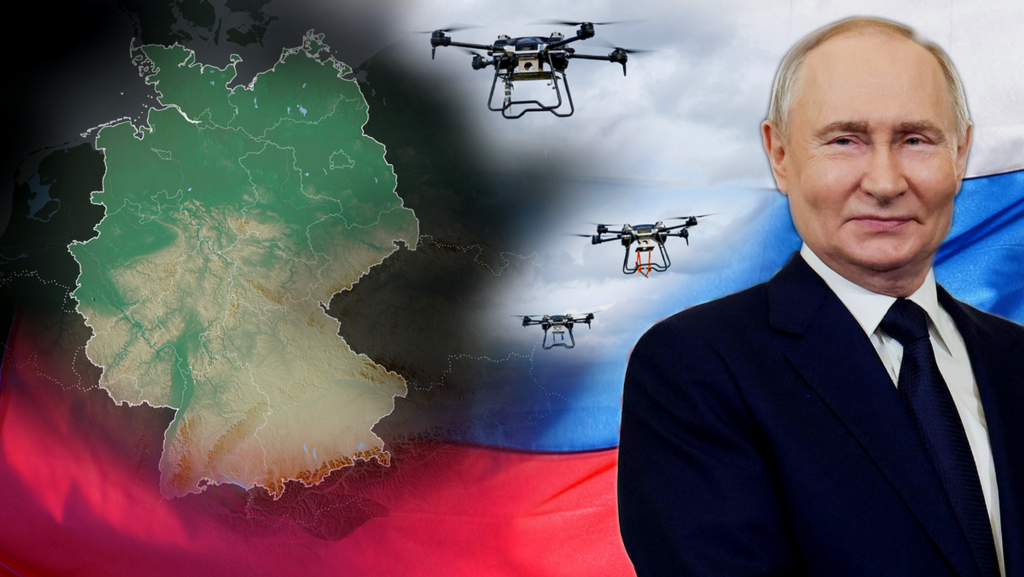
Hybrid Warfare and Security: A Comprehensive Analysis of Contemporary Challenges and Responses
Executive Summary
This study examines the multifaceted nature of hybrid warfare and its implications for security in Europe and beyond. It synthesizes insights from recent discussions and expert analyses, particularly in the context of Russia’s aggression in Ukraine, the evolving security landscape in the Indo-Pacific, and the role of civil society in maintaining democratic resilience. The findings underscore the necessity for comprehensive defense strategies that integrate military, civil, and societal dimensions to effectively counter hybrid threats, while also highlighting the importance of fostering institutional trust and community engagement as foundational elements of resilience.
Strategic Context
The concept of hybrid warfare has gained prominence in recent years, particularly following Russia’s annexation of Crimea and its ongoing military actions in Ukraine. This form of warfare combines conventional military tactics with irregular tactics, cyber warfare, and disinformation campaigns, targeting the societal fabric of nations. The conflict in Ukraine serves as a critical case study, illustrating how hybrid threats can undermine institutional trust, destabilize economies, and exploit democratic vulnerabilities. As European nations grapple with these challenges, there is a pressing need to rethink traditional notions of security that have historically focused on military preparedness alone. The war has catalyzed a broader discourse on the necessity of a comprehensive defense approach that encompasses not only military readiness but also civil resilience and societal engagement.
In parallel, the Indo-Pacific region presents a contrasting yet equally complex security landscape, where civil society organizations (CSOs) are increasingly squeezed between geopolitical rivalries and domestic repression. The rise of authoritarianism and the shrinking space for civic engagement in countries like the Philippines and Thailand highlight the vulnerabilities faced by democratic institutions in the face of hybrid threats. As great powers vie for influence, the role of civil society becomes critical in anchoring human rights and regional stability. This context necessitates a nuanced understanding of how hybrid warfare manifests differently across regions and the corresponding strategies that can be employed to bolster resilience against such threats.
Deep Analysis
The analysis of hybrid warfare reveals several underlying dynamics that complicate the security landscape. First, the erosion of institutional trust is a significant consequence of hybrid tactics. In Ukraine, the sustained disinformation campaigns and cyberattacks have not only aimed to destabilize the government but have also sought to fracture public confidence in democratic institutions. This phenomenon is echoed in other European nations, where hybrid threats have prompted a reevaluation of the relationship between state and society. The need for a whole-of-society approach to defense is evident, as citizens must be actively engaged in resilience-building efforts to counteract the psychological and cognitive dimensions of hybrid warfare.
Second, the role of civil society in enhancing resilience cannot be overstated. The experiences of Ukraine demonstrate that civic engagement, from grassroots mobilization to digital coordination, has been pivotal in countering hybrid threats. The emergence of volunteer networks and community-led initiatives has proven effective in maintaining societal cohesion and operational effectiveness during crises. This bottom-up resilience contrasts sharply with the top-down approaches often favored by state actors, highlighting the importance of fostering a culture of active citizenship as a bulwark against hybrid aggression.
Moreover, the comparative analysis of Sweden’s total defense model and Singapore’s whole-of-nation approach offers valuable lessons for Europe. Both models emphasize the integration of military and civil defense, recognizing that societal resilience is as crucial as military preparedness. Sweden’s focus on shared responsibility across various sectors and its institutionalized trust framework serve as a blueprint for other nations grappling with hybrid threats. Similarly, Singapore’s adaptation of its defense strategy to encompass psychological and social dimensions underscores the need for a holistic understanding of security that transcends traditional military paradigms.
The geopolitical implications of hybrid warfare extend beyond immediate military concerns, affecting economic stability and international relations. The ongoing conflict in the Middle East, particularly the tensions involving Iran and the Gulf states, illustrates how hybrid tactics can disrupt global energy markets and exacerbate regional instability. The interconnectedness of global supply chains means that hybrid threats in one region can have cascading effects on economies worldwide, necessitating a coordinated response from European nations to safeguard their interests.
Finally, the legal and ethical dimensions of hybrid warfare present additional challenges. The blurred lines between state and non-state actors complicate the application of international law, particularly concerning accountability for hybrid tactics such as cyber warfare and disinformation. As nations seek to navigate these complexities, there is a pressing need for a robust legal framework that addresses the unique characteristics of hybrid threats while upholding democratic values and human rights.
Key Findings
- Hybrid warfare undermines institutional trust and societal cohesion, necessitating a comprehensive defense approach that integrates military and civil dimensions.
- Civic engagement and grassroots mobilization are critical in countering hybrid threats, as demonstrated by Ukraine’s resilience during the ongoing conflict.
- Models of total defense, such as those in Sweden and Singapore, provide valuable frameworks for enhancing societal resilience against hybrid warfare.
- The geopolitical implications of hybrid warfare extend to economic stability and international relations, requiring coordinated responses from European nations.
- Legal and ethical challenges surrounding hybrid warfare necessitate the development of robust frameworks to address accountability and uphold democratic values.
Policy Recommendations
- Develop and implement comprehensive defense strategies that integrate military preparedness with civil resilience and societal engagement.
- Foster active citizenship through community-led initiatives and volunteer networks to enhance societal cohesion and operational effectiveness during crises.
- Adopt and adapt successful models of total defense from countries like Sweden and Singapore to strengthen institutional trust and resilience in European nations.
- Establish a coordinated European response to hybrid threats that considers the geopolitical implications and economic stability of the region.
- Create robust legal frameworks that address the unique characteristics of hybrid warfare while ensuring accountability and upholding human rights.
Conclusion
In conclusion, the evolving landscape of hybrid warfare presents significant challenges and opportunities for European security. By embracing a comprehensive defense approach that prioritizes civic engagement, institutional trust, and societal resilience, European nations can better equip themselves to counter hybrid threats and safeguard democratic values. The lessons learned from Ukraine, the Indo-Pacific, and successful defense models provide a roadmap for navigating the complexities of contemporary security challenges, ultimately fostering a more resilient and cohesive society capable of withstanding the pressures of hybrid warfare.