


The Papal Visit to Gran Canaria: Implications for Migration Policy and Integration
Pope Leo XIV's upcoming visit to Gran Canaria on June 11, 2023, represents a significant moment in the discourse surrounding migration and integration in Europe. The vi...

The Papal Visit to Gran Canaria: Implications for Migration Policy and Integration
⏱ 5 min read
Executive Summary
Pope Leo XIV’s upcoming visit to Gran Canaria on June 11, 2023, represents a significant moment in the discourse surrounding migration and integration in Europe. The visit aims to address the ongoing migration crisis, particularly the perilous Atlantic route taken by many migrants. Bishop José Mazuelos emphasizes the Pope’s role in providing hope and encouragement to those involved in migrant reception and integration efforts, while also calling for a more humane approach to migration policy in Europe. This briefing examines the historical context of migration in the Canary Islands, the political motivations behind the Papal visit, and its potential impact on migrants and integration policies in the region.
Strategic Context
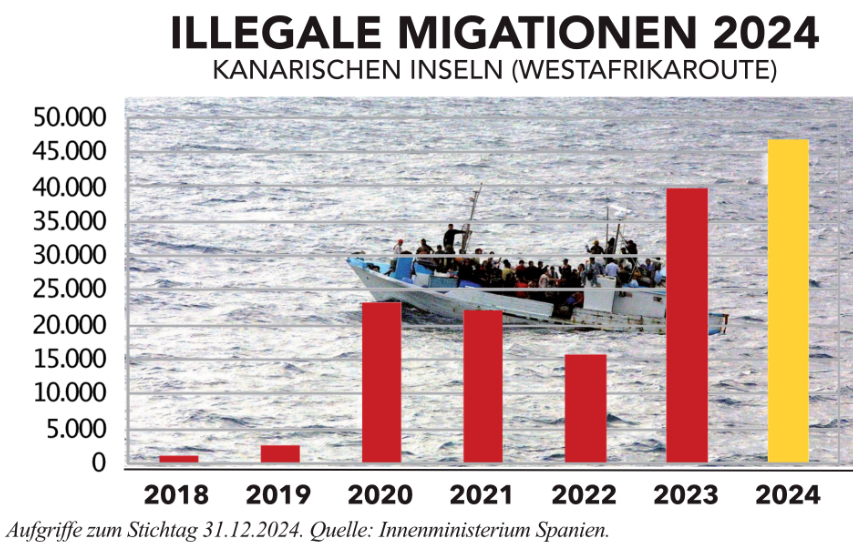
The Canary Islands have long been a critical entry point for migrants attempting to reach Europe, particularly from Africa and Latin America. The region has witnessed a significant increase in migrant arrivals in recent years, driven by factors such as conflict, economic instability, and environmental challenges in migrants’ home countries. This influx has placed considerable strain on local resources and has sparked a complex political debate within Spain and the broader European Union regarding migration management and humanitarian responsibilities. The historical ties between the Canary Islands and Latin America, particularly Venezuela and Cuba, have further complicated the migration landscape, as many individuals seek refuge from political and economic turmoil in their home countries.
Pope Francis previously expressed a desire to visit the Canary Islands to address the migration crisis, highlighting the Church’s commitment to social justice and the dignity of all individuals. The upcoming visit by Pope Leo XIV is seen as a continuation of this mission, aiming to bring attention to the plight of migrants and the need for compassionate responses from European nations. The Bishop of the Canary Islands, José Mazuelos, has articulated the significance of this visit, framing it as an opportunity to advocate for both the cessation of dangerous migration routes and the promotion of integration efforts for those who have arrived safely.
Deep Analysis
The Papal visit is strategically positioned to highlight the moral imperatives surrounding migration and the responsibilities of European nations in addressing the crisis. By engaging directly with migrants in Gran Canaria, Pope Leo XIV aims to humanize the issue and draw attention to the personal stories behind the statistics. This approach aligns with the Catholic Church’s longstanding advocacy for the marginalized and vulnerable, reinforcing the notion that migration should be approached with empathy and understanding rather than fear and xenophobia. The Bishop’s comments suggest that the Pope’s message will not only focus on the immediate needs of migrants but also on the broader social and political dynamics that contribute to migration flows.
Furthermore, the timing of the visit coincides with rising anti-immigrant sentiments in Spain and across Europe. The Bishop’s assertion that the Pope’s presence could serve as a ‘call to attention’ against xenophobia underscores the need for a collective societal response to combat discrimination and promote inclusivity. The Church’s involvement in this discourse may catalyze a shift in public perception, encouraging a more compassionate approach to migration that prioritizes human rights and dignity. This could potentially influence policymakers to adopt more humane migration policies that reflect the values espoused by the Church.
The visit also serves as a platform for the Church to advocate for systemic changes in migration policy, urging European leaders to address the root causes of migration, such as conflict and economic disparity. The Bishop’s remarks about the need to work with countries of origin to ‘stop the Atlantic route’ indicate a recognition that sustainable solutions must involve international cooperation and development efforts. The Papal visit thus not only aims to provide immediate support to migrants but also seeks to inspire long-term policy changes that address the complexities of migration in a globalized world.
Impact on Migrants
For migrants in Gran Canaria, the Papal visit represents a moment of recognition and validation of their experiences. The opportunity to share their testimonies with the Pope may empower individuals and foster a sense of community among those who have faced significant challenges in their journeys. This engagement can also serve to raise awareness about the specific needs and rights of migrants, potentially influencing local and national policies aimed at improving their living conditions and integration into society. The Church’s commitment to welcoming and integrating migrants may provide additional support networks for individuals seeking to rebuild their lives in a new country.
Moreover, the Papal visit may catalyze a broader societal dialogue around migration, encouraging local communities to reflect on their attitudes and responses to newcomers. By framing migration as a shared human experience, the Church can play a pivotal role in fostering social cohesion and combating xenophobia. The Bishop’s emphasis on the need for a collective response to migration challenges suggests that the visit could inspire grassroots initiatives aimed at promoting understanding and solidarity between migrants and local populations.
Outlook & Conclusion
Looking ahead, the Papal visit to Gran Canaria has the potential to significantly influence the discourse surrounding migration and integration in Europe. By emphasizing the moral and humanitarian dimensions of migration, Pope Leo XIV may inspire both individuals and policymakers to adopt more compassionate and inclusive approaches. The visit serves as a reminder of the shared responsibility to address the root causes of migration and to support those who seek refuge from adversity. As the Church continues to advocate for the rights and dignity of migrants, it is crucial for European nations to heed this call and work collaboratively towards sustainable solutions that prioritize human rights and social justice.
Anchor Source: europapress.es | Analyzed by AboMatrix AI Engine