


Navigating Energy Security Amid Geopolitical Tensions: The European Response to Gulf Instability

Navigating Energy Security Amid Geopolitical Tensions: The European Response to Gulf Instability
Executive Summary
This study examines the intricate relationship between energy security and geopolitical tensions in the Gulf region, particularly in light of the recent escalation of conflicts involving Iran and its repercussions on global energy markets. The analysis highlights the vulnerabilities faced by Europe due to its indirect dependence on Gulf energy supplies and the broader implications of regional instability on economic resilience. It advocates for a multifaceted European strategy that includes diplomatic engagement, diversification of energy sources, and enhanced cooperation with Gulf states to mitigate risks and secure energy stability.
Strategic Context
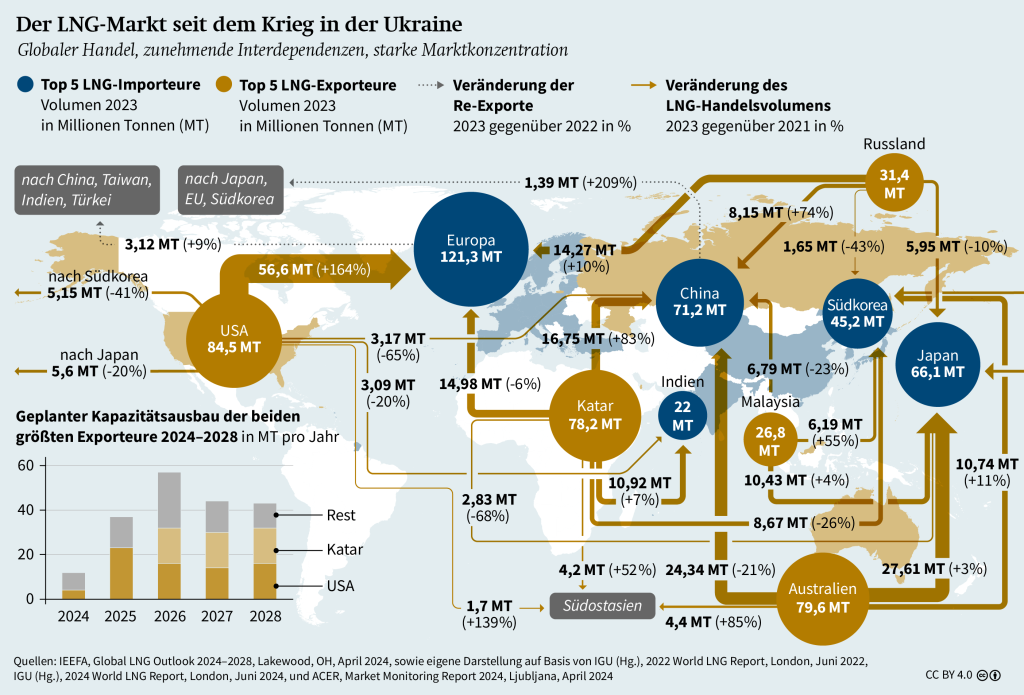
The Gulf region has long been a critical nexus for global energy supply, with its strategic waterways, particularly the Strait of Hormuz, facilitating the transit of a significant portion of the world’s oil and liquefied natural gas (LNG). Recent geopolitical tensions, particularly the conflict involving Iran, have exacerbated vulnerabilities in energy security, leading to heightened prices and supply disruptions. The European Union (EU), while not heavily reliant on Middle Eastern oil and gas, faces indirect risks through global market fluctuations and competition for energy resources, particularly from Asian economies that are more dependent on Gulf supplies.
As the EU grapples with the aftermath of the 2022 energy crisis precipitated by reduced Russian gas imports, the current instability in the Gulf poses a dual challenge: it threatens to inflate energy prices and disrupt supply chains, while simultaneously testing the EU’s strategic resilience. The EU’s reliance on LNG imports from Qatar and other Gulf states has increased, making it imperative for European policymakers to navigate these geopolitical waters carefully. The evolving dynamics necessitate a reevaluation of energy strategies, emphasizing diversification and proactive diplomatic engagement to safeguard economic interests and ensure energy security.
Deep Analysis
The geopolitical landscape of the Gulf is characterized by a complex interplay of regional rivalries, particularly between Iran and its Gulf neighbors, which has intensified following the US-Israel confrontations. Iranian missile strikes targeting Gulf energy infrastructure have not only caused immediate disruptions but have also instigated a broader economic ripple effect, impacting global energy prices and supply chains. The immediate spike in oil prices, reaching levels not seen since the 2022 crisis, underscores the fragility of energy markets and the interconnectedness of global supply chains. The EU’s indirect exposure to these shocks, primarily through competition for LNG and oil with Asian markets, highlights the necessity for a strategic response to mitigate potential economic fallout.
Moreover, the EU’s energy security strategy must account for the long-term implications of these geopolitical tensions. The Gulf states, particularly Saudi Arabia and the UAE, have embarked on ambitious economic diversification plans aimed at reducing their dependence on hydrocarbons. However, the ongoing conflicts threaten to undermine these initiatives, as evidenced by the recent attacks on critical infrastructure that have raised concerns about the region’s stability. The EU’s engagement with Gulf states should therefore focus on reinforcing economic ties that align with their diversification efforts, fostering a collaborative environment that enhances mutual security and economic resilience.
The EU’s energy transition strategy, which aims to phase out fossil fuel dependence, must also be recalibrated in light of the current geopolitical climate. While the EU has made significant strides in reducing reliance on Russian energy, the crisis in the Gulf necessitates a renewed commitment to diversifying energy sources and enhancing domestic renewable energy production. This approach not only addresses immediate energy security concerns but also aligns with broader climate goals, positioning the EU as a leader in the global transition to sustainable energy.
In addition to energy diversification, the EU must prioritize diplomatic initiatives aimed at de-escalating tensions in the Gulf. Engaging with key stakeholders, including the US, China, and regional powers, can facilitate dialogue and promote stability in the region. The EU’s role as a mediator in these discussions can help mitigate the risks associated with military escalations and foster a cooperative security framework that benefits all parties involved. Furthermore, strengthening partnerships with Gulf states through joint security initiatives can enhance regional stability and deter potential aggressors, thereby safeguarding critical energy infrastructure.
The economic implications of the Gulf crisis extend beyond immediate energy supply disruptions. The reputational risks associated with instability in the region can deter foreign investment, complicating long-term economic planning for both Gulf states and European investors. As international companies reassess their exposure to geopolitical risks, the EU must advocate for enhanced security measures to protect critical infrastructure, including energy installations and digital assets. This proactive approach not only secures European investments but also reinforces the EU’s commitment to fostering a stable and secure environment in the Gulf.
Finally, the EU’s engagement with Mauritania and other Sahelian states presents an opportunity to bolster energy security while addressing broader regional challenges. By aligning economic interests with Gulf states and supporting stability in Mauritania, the EU can create a buffer against the spillover effects of Gulf instability. This strategic partnership can facilitate energy diversification and enhance the EU’s resilience to external shocks, ultimately contributing to a more secure energy future.
Key Findings
- The Gulf region’s geopolitical tensions significantly impact global energy markets, with immediate repercussions for European energy security.
- The EU’s indirect dependence on Gulf energy supplies necessitates a proactive strategy that includes diversification and diplomatic engagement.
- Strengthening partnerships with Gulf states can enhance regional stability and deter potential aggressors, safeguarding critical energy infrastructure.
- The EU’s energy transition strategy must be recalibrated to address the current geopolitical climate while promoting sustainable energy goals.
Policy Recommendations
- Enhance diplomatic engagement with Gulf states to promote stability and mitigate risks associated with geopolitical tensions.
- Accelerate efforts to diversify energy sources and invest in renewable energy production to reduce reliance on external suppliers.
- Strengthen security measures to protect critical infrastructure and enhance cooperation with Gulf states on joint security initiatives.
- Foster partnerships with Mauritania and other Sahelian states to create a buffer against Gulf instability and promote regional economic growth.
Conclusion
In conclusion, the intersection of energy security and geopolitical tensions in the Gulf region presents a complex challenge for Europe. The EU must adopt a multifaceted approach that encompasses diplomatic engagement, energy diversification, and strategic partnerships to navigate these turbulent waters effectively. By reinforcing its commitment to stability in the Gulf and aligning its energy strategies with regional dynamics, the EU can safeguard its economic interests and enhance its resilience against future shocks.