


The European Parliament’s Approval of ‘Return Hubs’: A Shift in Migration Policy
On March 26, 2026, the European Parliament approved a significant tightening of the continent's migration policy by endorsing the establishment of 'return hubs' for mig...

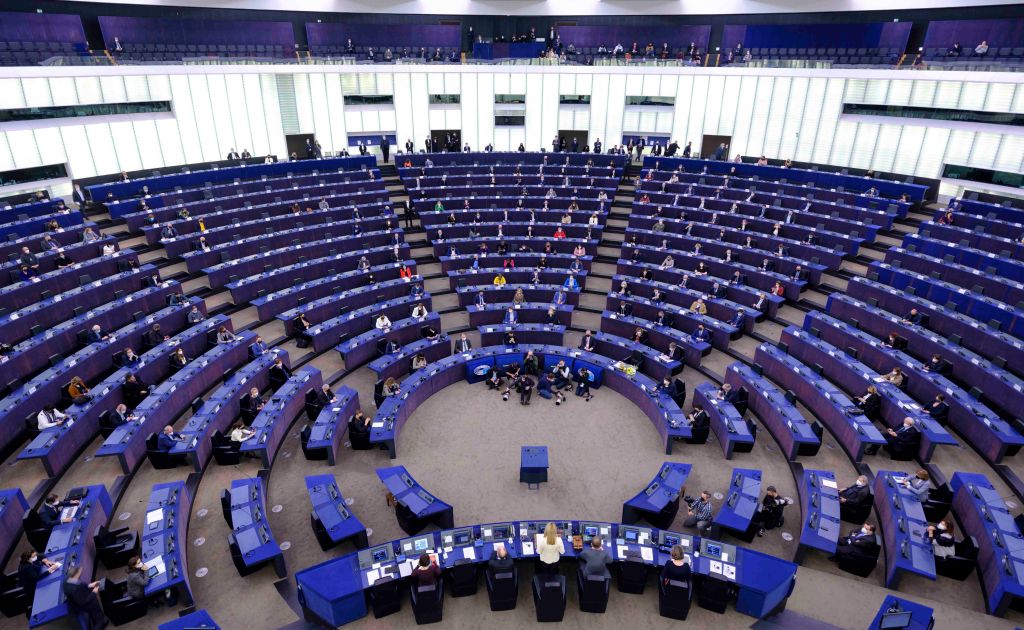
The European Parliament’s Approval of ‘Return Hubs’: A Shift in Migration Policy
⏱ 5 min read
Executive Summary
On March 26, 2026, the European Parliament approved a significant tightening of the continent’s migration policy by endorsing the establishment of ‘return hubs’ for migrants. This decision, driven by a coalition of right-wing and far-right political factions, aims to facilitate the expulsion of migrants whose asylum applications have been rejected. The policy reflects growing pressures from member states to enhance border control and reduce the number of individuals remaining in the EU without legal status, raising concerns about the implications for human rights and the treatment of vulnerable populations.
Strategic Context
The migration landscape in Europe has been shaped by a series of crises and policy responses over the past decade. The influx of migrants and refugees, particularly during the 2015 crisis, prompted a reevaluation of existing frameworks and led to the implementation of stricter border controls and asylum procedures. The European Union (EU) has faced internal divisions, with member states differing in their approaches to migration, resulting in a fragmented policy environment. The recent approval of return hubs marks a notable shift towards a more punitive stance, reflecting the influence of right-wing parties that have gained traction amid rising anti-immigrant sentiments across Europe.
Historically, the EU has struggled to balance humanitarian obligations with the need for security and control at its borders. The concept of return hubs is not entirely new; previous attempts, such as the UK-Rwanda agreement and Italy’s initiative in Albania, have faced significant legal and operational challenges. These past experiences have informed the current discussions among a coalition of member states, including Denmark, Austria, Greece, Germany, and the Netherlands, who are seeking to establish effective frameworks for the implementation of these hubs. However, skepticism remains among other member states, such as France and Spain, regarding the efficacy and ethical implications of such measures.
Deep Analysis
The approval of return hubs represents a strategic response to mounting pressure from member states advocating for stricter immigration controls. Proponents argue that these hubs will deter illegal migration by ensuring that individuals who enter the EU unlawfully will not be allowed to remain. This policy aligns with a broader trend of increasing collaboration between right-wing and far-right political factions within the European Parliament, which has raised alarms about the erosion of human rights protections for migrants and refugees. The endorsement of harsher penalties for rejected asylum seekers, including the confiscation of identity documents and extended entry bans, underscores a shift towards a more punitive approach to migration management.
Critics of the policy highlight the potential for human rights violations, particularly concerning the detention of vulnerable populations, including children. The International Rescue Committee has warned that the implementation of return hubs could lead to a significant increase in the detention of individuals who are already in precarious situations. The mutual recognition of asylum decisions across member states further complicates the landscape, as it may lead to expedited deportations without adequate consideration of individual circumstances. This raises ethical questions about the treatment of asylum seekers and the responsibilities of EU member states under international law.
The political motivations behind the approval of return hubs are multifaceted. The coalition of right-wing and far-right parties has capitalized on public sentiment favoring stricter immigration controls, framing the policy as a necessary measure to protect national sovereignty and security. This alignment has resulted in a significant shift in the political discourse surrounding migration, with moderate parties increasingly adopting more hardline stances to remain relevant. The collaboration between these factions has sparked controversy, particularly in countries like Germany, where concerns about the normalization of far-right rhetoric have emerged. The implications of this political realignment extend beyond migration policy, potentially influencing broader societal attitudes towards diversity and inclusion in Europe.
Impact on Migrants
The establishment of return hubs is likely to have profound implications for migrants and refugees seeking asylum in the EU. For individuals whose applications are rejected, the prospect of being sent to these hubs raises significant concerns about their safety and well-being. The potential for detention in foreign countries, coupled with the lack of legal recourse, may exacerbate the vulnerabilities faced by these individuals. Furthermore, the punitive measures outlined in the new policy, such as the confiscation of identity documents, could hinder migrants’ ability to navigate legal processes and access support services, ultimately leading to increased marginalization.
Additionally, the mutual recognition of asylum decisions across member states may result in a lack of consistency in the treatment of asylum seekers, with some individuals facing expedited deportations without adequate consideration of their unique circumstances. This could lead to a chilling effect on individuals considering seeking asylum in the EU, as the fear of detention and deportation may deter them from pursuing legal avenues for protection. The overall impact of these policies on the rights and dignity of migrants remains a critical concern for human rights advocates and organizations working to support vulnerable populations.
Outlook & Conclusion
Looking ahead, the approval of return hubs signals a troubling trend in European migration policy, characterized by a shift towards more restrictive and punitive measures. As member states move forward with the implementation of these hubs, it is essential to closely monitor the human rights implications and ensure that the fundamental rights of migrants and refugees are upheld. The future of migration policy in Europe will likely hinge on the ability of civil society and advocacy groups to challenge these developments and promote a more humane and rights-based approach to migration and asylum.
Anchor Source: lalibre.be | Analyzed by AboMatrix AI Engine