


The European Parliament’s Approval of ‘Return Hubs’: A Critical Examination of Migration Policy Shifts
On March 26, 2026, the European Parliament is poised to endorse a significant tightening of the EU's migration policy by approving the establishment of 'return hubs' ou...

The European Parliament’s Approval of ‘Return Hubs’: A Critical Examination of Migration Policy Shifts
⏱ 4 min read
Executive Summary
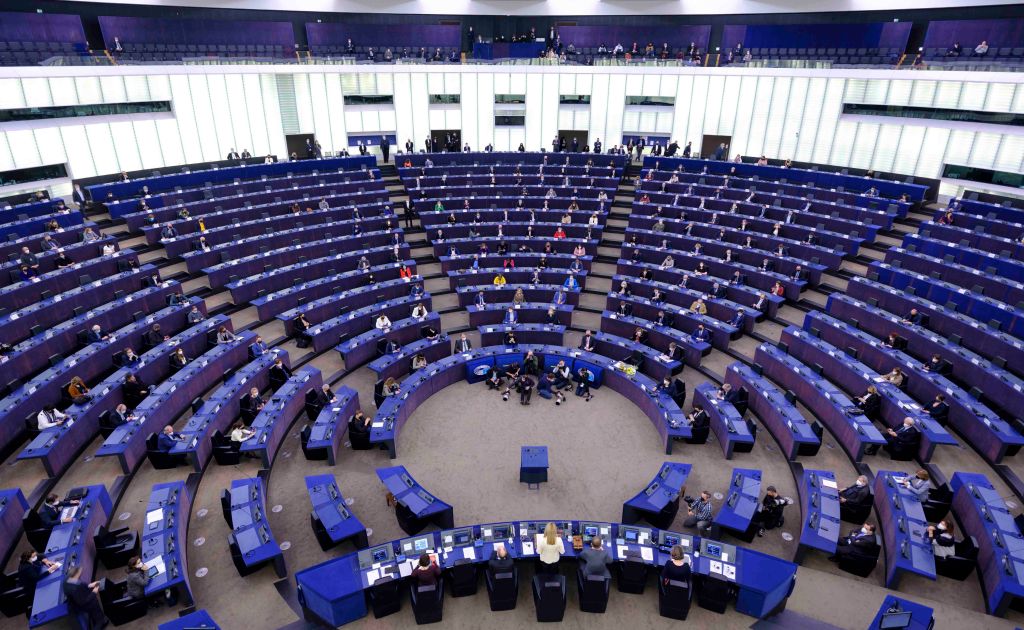
On March 26, 2026, the European Parliament is poised to endorse a significant tightening of the EU’s migration policy by approving the establishment of ‘return hubs’ outside the Union. This initiative, championed by right-wing and far-right MEPs and supported by a majority of EU member states, aims to facilitate the expulsion of rejected asylum seekers. However, it has faced substantial criticism from leftist factions and NGOs, who argue that it represents a historic regression in refugee rights and could lead to increased detentions of vulnerable populations, including children.
Strategic Context
The proposed policy shift is set against a backdrop of ongoing debates within the EU regarding migration management and asylum processes. Over the past decade, the EU has grappled with an influx of migrants and refugees, prompting calls for more stringent measures to control borders and manage asylum applications. The current proposal follows a 2025 initiative by the European Commission aimed at increasing the rate of expulsions, which has been a contentious issue, with only 20% of expulsion decisions currently being executed. The political landscape has shifted significantly, with right-wing parties gaining traction and advocating for more robust measures against irregular migration.
Deep Analysis
The approval of ‘return hubs’ reflects a broader trend within the EU towards a more securitized approach to migration, driven by political motivations from right-wing factions seeking to consolidate power by appealing to nationalist sentiments. This policy is indicative of a growing alliance between right-wing and far-right parties in the European Parliament, which has raised concerns about the erosion of human rights standards in the context of migration. Critics argue that the establishment of these hubs could lead to systemic abuses and a lack of accountability for the treatment of migrants, as evidenced by previous attempts to implement similar models in Italy and the UK, which faced legal challenges and operational failures.
Moreover, the proposed mutual recognition of asylum decisions across member states raises questions about the consistency and fairness of asylum processes within the EU. The potential for a decision made in one country to be enforced in another could undermine the principle of non-refoulement, which protects individuals from being returned to countries where they may face persecution. This aspect of the policy could create a patchwork of legal interpretations and enforcement practices, further complicating the already challenging landscape of EU migration policy.
The political motivations behind the push for ‘return hubs’ are also intertwined with broader geopolitical considerations, including the EU’s relationship with neighboring countries. By outsourcing migration management to external hubs, the EU aims to alleviate pressure on its borders while simultaneously attempting to maintain a semblance of humanitarian responsibility. However, this approach risks externalizing the EU’s migration challenges and could lead to a reliance on countries with questionable human rights records, raising ethical concerns about the treatment of migrants in these external centers.
Impact on Migrants
The direct legal implications of the ‘return hubs’ policy for migrants and refugees are significant. Individuals whose asylum applications are rejected may find themselves detained in these hubs, facing prolonged uncertainty regarding their status and potential deportation. The introduction of stricter penalties for non-compliance, such as document confiscation and extended entry bans, could further exacerbate the vulnerabilities of rejected asylum seekers, pushing them into a state of legal limbo. This punitive approach may deter individuals from seeking asylum altogether, fearing the repercussions of a rejected application.
Socially, the establishment of ‘return hubs’ could lead to increased stigmatization of migrants and refugees within EU member states. The narrative surrounding these hubs, framed as necessary for national security and border control, may foster xenophobia and discrimination against migrant populations. Furthermore, the potential for increased detentions raises ethical concerns about the treatment of vulnerable groups, including children, who may be subjected to harsh conditions and limited access to support services. The implications of this policy extend beyond legal frameworks, influencing public perceptions and societal attitudes towards migration in the EU.
Outlook & Conclusion
Looking ahead, the approval of ‘return hubs’ by the European Parliament signals a pivotal moment in the EU’s migration policy, with potential long-term consequences for the treatment of migrants and refugees. As member states explore the implementation of pilot projects, it is crucial to critically assess the human rights implications and operational effectiveness of such initiatives. The future of EU migration policy will likely hinge on the balance between security concerns and the commitment to uphold humanitarian principles, necessitating ongoing dialogue and scrutiny from civil society and international organizations.
Anchor Source: lalibre.be | Analyzed by AboMatrix AI Engine