


The European Parliament’s Approval of Return Hubs: A Critical Examination of Migration Policy Shifts
The European Parliament has recently approved a significant tightening of the continent's migration policy, endorsing the establishment of 'return hubs' aimed at deport...

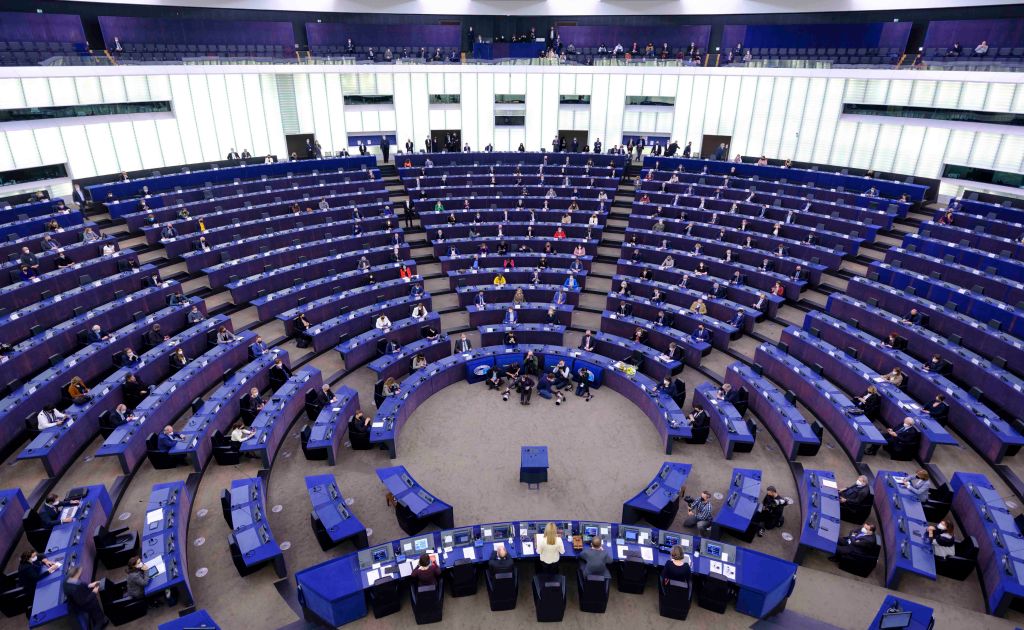
The European Parliament’s Approval of Return Hubs: A Critical Examination of Migration Policy Shifts
⏱ 5 min read
Executive Summary
The European Parliament has recently approved a significant tightening of the continent’s migration policy, endorsing the establishment of ‘return hubs’ aimed at deporting migrants outside the EU. This decision, driven by a coalition of right-wing and far-right political factions, reflects a growing consensus among member states for stricter immigration controls. The policy raises critical concerns regarding the legal and social implications for migrants, particularly those seeking asylum, and signals a potential regression in the protection of refugee rights within the EU framework.
Strategic Context
The approval of return hubs marks a pivotal moment in the evolution of European migration policy, which has been under scrutiny since the 2015 refugee crisis. The influx of migrants and asylum seekers during that period prompted a re-evaluation of existing policies, leading to a fragmented response among EU member states. While some countries advocated for more open borders and humanitarian assistance, others pushed for stricter controls, resulting in a polarized political landscape. The recent vote reflects a culmination of these tensions, as a majority of member states now favor a more stringent approach to migration management.
Historically, the EU has struggled to balance the principles of human rights and border security. The establishment of return hubs is not a novel concept; similar initiatives have been attempted in the past, such as Italy’s pilot project in Albania and the UK’s controversial agreement with Rwanda. These efforts faced significant legal challenges and public opposition, highlighting the complexities involved in implementing such policies. The current political climate, however, has shifted towards a more hardline stance, with the European Commission responding to calls for increased deportations and stricter asylum processes.
Deep Analysis
The recent approval of return hubs can be seen as a strategic response to the perceived failures of the EU’s current migration system, where only 20% of expulsion decisions are effectively executed. This statistic has been a focal point for proponents of tougher immigration policies, who argue that the existing framework is inadequate in deterring illegal migration. By endorsing return hubs, the European Parliament aims to establish a clear message: unauthorized entry into Europe will not result in permanent residency. This shift is indicative of a broader trend towards prioritizing national security and border control over humanitarian considerations.
The political motivations behind this policy are multifaceted. The coalition of right-wing and far-right parties that supported the vote reflects a growing populist sentiment across Europe, where immigration has become a central issue in national politics. The collaboration between these factions has raised concerns about the erosion of democratic norms and the potential normalization of xenophobic rhetoric within mainstream political discourse. Critics argue that this alliance represents a dangerous precedent, as it undermines the EU’s foundational values of solidarity and human rights.
Moreover, the introduction of stricter sanctions for rejected asylum seekers, including the confiscation of identity documents and extended entry bans, raises significant ethical questions. The mutual recognition of expulsion decisions among member states could lead to a lack of accountability and oversight, further jeopardizing the rights of vulnerable individuals. The potential for increased detention of migrants, including children, has been met with alarm from humanitarian organizations, who warn that such measures could exacerbate the already precarious situation faced by many asylum seekers in Europe.
Impact on Migrants
The establishment of return hubs is likely to have profound legal and social implications for migrants and refugees. Legally, the policy may create a framework that facilitates expedited deportations, undermining the right to seek asylum and access to fair legal processes. Asylum seekers whose claims are rejected may find themselves in a precarious position, facing detention in foreign countries with limited recourse to appeal or challenge their expulsion. This could lead to a chilling effect on individuals considering seeking asylum in the EU, as the risks associated with the process become increasingly apparent.
Socially, the implementation of return hubs may further stigmatize migrants and refugees, reinforcing negative perceptions and xenophobic attitudes within host communities. The potential for increased detention and the portrayal of migrants as threats to national security could exacerbate social tensions and contribute to a climate of fear and hostility. Furthermore, the focus on deterrence over integration may hinder efforts to foster inclusive societies, ultimately undermining the social fabric of European nations and the principles of diversity and multiculturalism that many countries espouse.
Outlook & Conclusion
Looking ahead, the approval of return hubs signifies a critical juncture in European migration policy, with potential long-term ramifications for the treatment of migrants and refugees. As member states move towards implementing these measures, it is essential to monitor their impact on human rights and the legal frameworks governing asylum. The challenge will be to reconcile the need for border security with the commitment to uphold the rights and dignity of individuals seeking refuge. Future discussions must prioritize a balanced approach that considers both the security concerns of states and the humanitarian obligations towards those fleeing persecution and violence.
Anchor Source: franceguyane.fr | Analyzed by AboMatrix AI Engine