


Geopolitical Tensions and Security: A Comprehensive Analysis of Contemporary Challenges and Strategic Responses

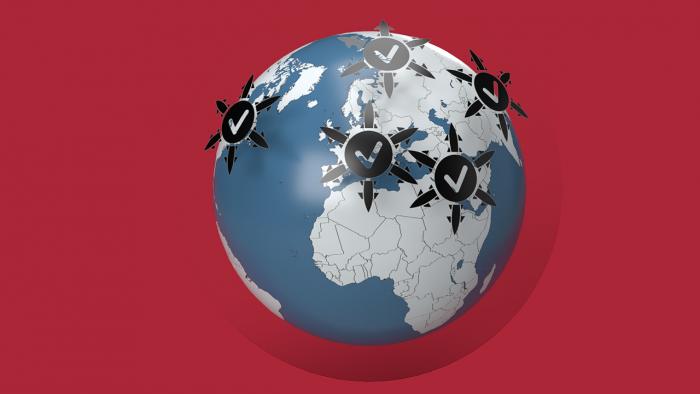
Geopolitical Tensions and Security: A Comprehensive Analysis of Contemporary Challenges and Strategic Responses
Executive Summary
This study examines the evolving landscape of geopolitical tensions and security, focusing on the implications of hybrid warfare, regional conflicts, and the shifting dynamics of international alliances. It synthesizes insights from various sources to highlight the necessity for comprehensive defense strategies that integrate military preparedness with civic resilience and institutional trust. The analysis underscores the importance of understanding the socio-political undercurrents driving contemporary conflicts, particularly in Europe and the Gulf region, and offers recommendations for enhancing security frameworks that prioritize democratic values and societal engagement.
Strategic Context
The geopolitical landscape has undergone significant transformation in recent years, particularly following Russia’s invasion of Ukraine, which has compelled European nations to reevaluate their security paradigms. Traditional notions of defense, primarily centered on military capabilities and territorial integrity, have been challenged by the emergence of hybrid warfare tactics that exploit societal vulnerabilities. This shift necessitates a comprehensive approach to security that encompasses not only military readiness but also the resilience of democratic institutions and civic engagement. The war in Ukraine serves as a stark reminder of the multifaceted nature of modern conflicts, where the front lines extend beyond conventional battlefields to include information warfare, cyberattacks, and the erosion of public trust in democratic processes.
In parallel, the Gulf region faces its own set of challenges, exacerbated by the ongoing conflict with Iran and the resultant shifts in security alliances. The historical reliance of Gulf monarchies on U.S. security guarantees has been called into question, revealing vulnerabilities that could lead to a reconfiguration of regional power dynamics. As these states grapple with the implications of their strategic hedging policies, there is an increasing recognition of the need for robust partnerships with European nations to stabilize the region. The interplay between local conflicts, global economic interests, and the responses of external powers underscores the complexity of contemporary geopolitical tensions, necessitating a nuanced understanding of the underlying factors at play.
Deep Analysis
The analysis of geopolitical tensions reveals several critical dimensions that shape contemporary security challenges. Firstly, the concept of hybrid warfare has emerged as a dominant strategy employed by state and non-state actors alike. This form of warfare combines conventional military tactics with irregular methods, including cyber operations, disinformation campaigns, and economic coercion. The case of Ukraine illustrates how hybrid attacks can destabilize societies from within, undermining institutional trust and eroding the social fabric necessary for democratic resilience. As highlighted by experts, the lessons learned from Ukraine’s experience emphasize the importance of a whole-of-society approach to defense, integrating military preparedness with civic engagement and institutional trust.
Secondly, the evolving security architecture in the Gulf region reflects the shifting dynamics of international alliances and the limitations of traditional security guarantees. The recent conflict with Iran has exposed the vulnerabilities of Gulf monarchies, prompting a reassessment of their reliance on U.S. support. The paradox of U.S. security guarantees, which have become liabilities rather than assets, has led to calls for a more multipolar regional order. This shift presents an opportunity for European nations to engage more actively in Gulf security, leveraging their political alignment and willingness to provide security support. The establishment of a regionally anchored security architecture, centered around the Gulf Cooperation Council (GCC), could enhance collective defense capabilities and reduce dependency on any single external actor.
Moreover, the socio-political dynamics within the Gulf states themselves play a crucial role in shaping security responses. The historical context of regional rivalries, coupled with the impact of external interventions, has created a complex landscape where trust and cooperation are often undermined by competing interests. The need for a cohesive security strategy that addresses both external threats and internal divisions is paramount. This requires not only military coordination but also a commitment to fostering dialogue and building trust among regional actors.
In addition to military considerations, the economic implications of geopolitical tensions cannot be overlooked. The ongoing conflict in the Gulf has significant repercussions for global energy markets, with disruptions to oil and gas supplies reverberating across Europe and beyond. The strategic importance of the Strait of Hormuz as a critical chokepoint for energy exports underscores the interconnectedness of regional stability and global economic security. As European nations seek to diversify their energy sources in the wake of the 2022 energy crisis, the stability of Gulf states becomes increasingly vital. Collaborative efforts to enhance energy security, including maritime security initiatives and investment in alternative energy infrastructure, are essential to mitigate the risks posed by geopolitical disruptions.
Finally, the role of civic engagement and societal resilience in shaping security outcomes is a critical dimension that warrants attention. The experiences of Ukraine and the Gulf monarchies highlight the importance of active citizen participation in defense strategies. The mobilization of civil society, local authorities, and community networks can enhance resilience against hybrid threats and contribute to the overall stability of democratic institutions. As such, fostering a culture of civic responsibility and engagement should be a central tenet of comprehensive defense strategies, ensuring that societies are equipped to respond effectively to emerging challenges.
Key Findings
- Hybrid warfare tactics have fundamentally altered the nature of contemporary conflicts, necessitating a comprehensive approach to security that integrates military and civic resilience.
- The reliance of Gulf monarchies on U.S. security guarantees has been called into question, highlighting the need for a multipolar regional security architecture that includes European engagement.
- Socio-political dynamics within the Gulf region complicate security responses, underscoring the importance of building trust and fostering dialogue among regional actors.
- Economic implications of geopolitical tensions, particularly in energy markets, necessitate collaborative efforts to enhance energy security and mitigate risks associated with disruptions.
- Civic engagement and societal resilience are critical components of effective defense strategies, emphasizing the need for active citizen participation in shaping security outcomes.
Policy Recommendations
- Develop comprehensive defense strategies that integrate military preparedness with civic engagement and institutional trust to enhance resilience against hybrid threats.
- Foster closer partnerships between European nations and Gulf monarchies to establish a regionally anchored security architecture that reduces dependency on external actors.
- Promote dialogue and cooperation among Gulf states to address internal divisions and build trust, facilitating a cohesive approach to regional security challenges.
- Invest in alternative energy infrastructure and maritime security initiatives to enhance energy security and mitigate the economic impacts of geopolitical disruptions.
- Encourage civic engagement and active citizen participation in defense strategies to strengthen societal resilience and support democratic institutions.
Conclusion
In conclusion, the analysis of geopolitical tensions and security reveals a complex interplay of military, economic, and socio-political factors that shape contemporary conflicts. The necessity for comprehensive defense strategies that prioritize civic resilience and institutional trust is paramount in addressing the challenges posed by hybrid warfare and regional instability. As Europe navigates this evolving landscape, fostering collaborative partnerships with Gulf monarchies and promoting active citizen engagement will be crucial in building a more secure and resilient future.