


Feminism and Social Inclusion: An Analytical Framework for Understanding Intersectionality and Structural Inequalities

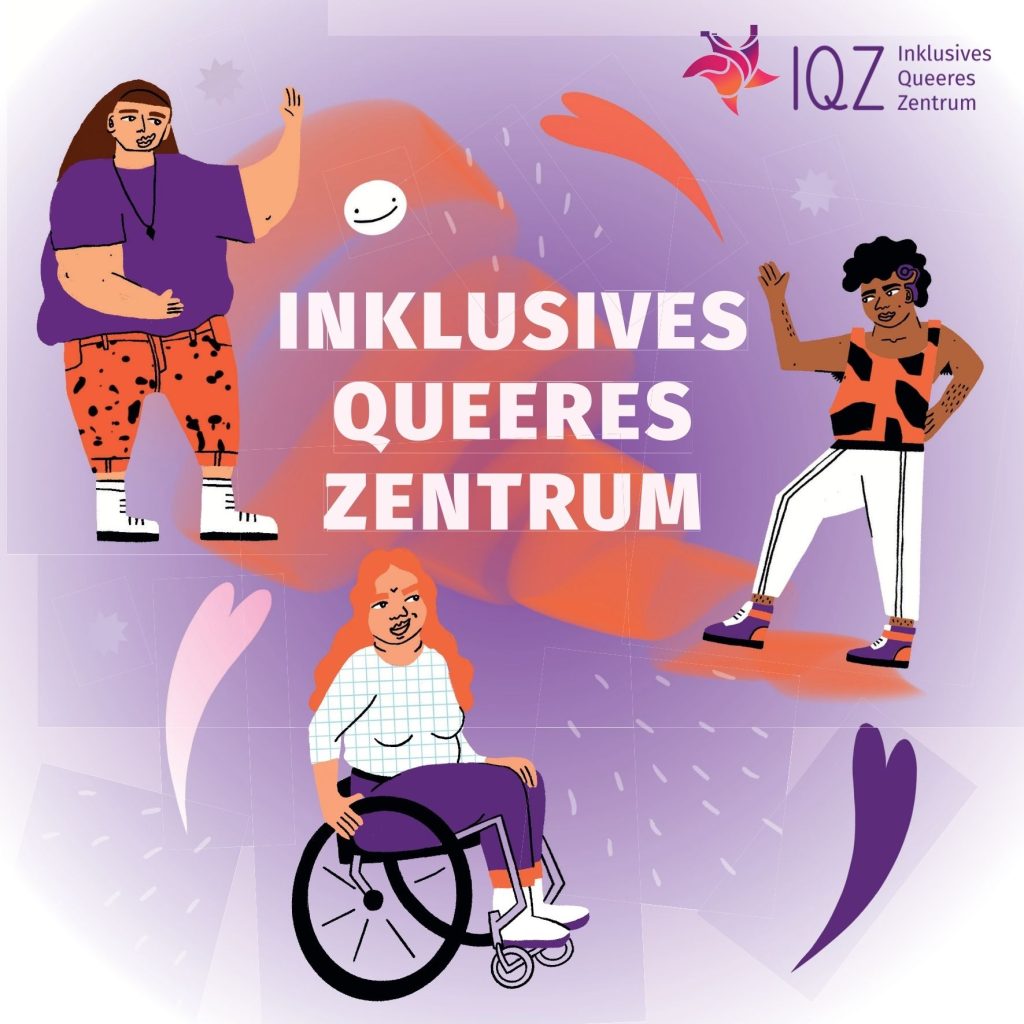
Feminism and Social Inclusion: An Analytical Framework for Understanding Intersectionality and Structural Inequalities
Executive Summary
This briefing paper explores the intricate relationship between feminism and social inclusion, emphasizing the necessity of an intersectional approach to address the multifaceted challenges faced by marginalized groups. By synthesizing diverse case studies from Senegal, Namibia, and the broader African context, the paper highlights the political, legal, and social dynamics that underpin feminist movements and their implications for social justice. The findings reveal that while significant strides have been made in representation and advocacy, systemic barriers persist, necessitating comprehensive reforms and inclusive practices to ensure that feminism serves as a catalyst for genuine social inclusion.
Strategic Context
The global feminist movement has evolved to encompass a wide range of issues, from gender equality in political representation to the rights of marginalized communities, including LGBTQI+ individuals and people with disabilities. In many African nations, including Senegal and Namibia, the struggle for women’s rights is deeply intertwined with broader social justice movements. The rise of conservative forces and the resurgence of traditional gender roles pose significant challenges to feminist advocacy, often framing feminist demands as threats to cultural identity. This context necessitates a nuanced understanding of how feminism can foster social inclusion, particularly in societies grappling with entrenched inequalities.
In Senegal, for instance, the feminist movement has gained momentum despite increasing violence against women and legislative setbacks, such as proposed laws targeting LGBTQI+ individuals. Activists like Awa Fall-Diop exemplify the resilience of the movement, advocating for comprehensive reforms that address both gender-based violence and the rights of marginalized groups. Similarly, in Namibia, the recent election of women to high political offices marks a significant achievement in representation; however, it raises critical questions about the effectiveness of such representation in dismantling patriarchal structures and addressing systemic inequalities. The interplay between representation and genuine transformation is a central theme in understanding the complexities of feminism and social inclusion.
Deep Analysis
The feminist movements in Senegal and Namibia illustrate the importance of intersectionality in addressing social inclusion. In Senegal, the concept of ‘Teranga’—a form of hospitality and community solidarity—serves as a foundational principle for feminist activism. This cultural ethos emphasizes the need for inclusivity, not only for women but for all marginalized groups, including LGBTQI+ individuals and people with disabilities. The recognition of diverse identities within the feminist framework is crucial for fostering solidarity and collective action against systemic oppression. However, the rise of conservative ideologies poses a significant threat to this inclusivity, as feminist demands are often framed as antithetical to cultural values, leading to increased violence and discrimination.
In Namibia, the election of women to leadership positions has been hailed as a breakthrough; yet, the persistence of gender-based violence and economic disparities highlights the limitations of mere representation. The ‘Born-Free’ generation, which grew up post-apartheid, faces a paradox where legal advancements coexist with ongoing discrimination. The structural inequalities that underpin gender relations remain largely unaddressed, as evidenced by the gender pay gap and the prevalence of gender-based violence. This situation underscores the necessity for feminist movements to advocate not only for representation but also for transformative policies that address the root causes of inequality.
Moreover, the experiences of women in agriculture across Africa reveal the intersection of gender and economic justice. Women farmers often bear the brunt of agricultural policies that fail to recognize their contributions and rights. Initiatives aimed at promoting agrarian reform must prioritize women’s access to land and resources, as exemplified by the efforts of activists like Julie Cissé in Senegal. Her work highlights the potential of agrarian movements to empower women and challenge patriarchal structures, thereby contributing to broader social inclusion.
The role of civil society in advocating for social inclusion cannot be overstated. Grassroots movements, such as those led by feminist organizations in both Senegal and Namibia, play a critical role in mobilizing communities and influencing policy. However, these movements often face significant challenges, including funding cuts and political repression. The need for international solidarity and support for local feminist initiatives is paramount in sustaining these efforts and ensuring that marginalized voices are heard.
Furthermore, the urbanization of cities like Dakar presents unique challenges for social inclusion, particularly for people with disabilities. The lack of accessible infrastructure and public services exacerbates existing inequalities, pushing disabled individuals further to the margins of society. Rethinking urban design through an inclusive lens is essential for creating environments that accommodate the needs of all citizens. This approach aligns with the broader goals of social justice and equity, emphasizing the importance of participatory planning processes that involve marginalized communities in decision-making.
Finally, the intersection of feminism and LGBTQI+ rights in Namibia illustrates the complexities of social inclusion. While the legal recognition of same-sex marriages marks a significant step forward, the ongoing criminalization of LGBTQI+ identities reflects the persistence of patriarchal norms within political discourse. The challenge lies in ensuring that feminist movements are inclusive of all identities and that they actively combat discrimination in all its forms. This requires a commitment to intersectionality and a recognition that the fight for gender equality is inextricably linked to the broader struggle for human rights.
Key Findings
- Feminism must adopt an intersectional approach to effectively address the diverse needs of marginalized groups.
- Representation alone does not guarantee social transformation; systemic barriers must be dismantled to achieve genuine equality.
- Grassroots movements play a crucial role in advocating for social inclusion, but they face significant challenges that require international support.
- Urbanization presents unique challenges for social inclusion, particularly for people with disabilities, necessitating inclusive urban design.
- The intersection of feminism and LGBTQI+ rights is critical for fostering a truly inclusive society.
Policy Recommendations
- Promote intersectional feminist frameworks that address the needs of all marginalized groups, including LGBTQI+ individuals and people with disabilities.
- Implement comprehensive policies that go beyond representation to tackle systemic inequalities, particularly in economic and social spheres.
- Support grassroots feminist movements through funding and capacity-building initiatives to enhance their advocacy efforts.
- Prioritize inclusive urban planning that considers the needs of people with disabilities and other marginalized communities.
- Foster dialogue between feminist movements and LGBTQI+ advocacy groups to ensure that all voices are included in the fight for social justice.
Conclusion
In conclusion, the relationship between feminism and social inclusion is complex and multifaceted, requiring a nuanced understanding of the political, legal, and social dynamics at play. While significant progress has been made in representation and advocacy, systemic barriers persist that hinder true equality. An intersectional approach is essential for addressing these challenges and ensuring that feminist movements serve as catalysts for genuine social inclusion. By prioritizing the voices of marginalized communities and advocating for comprehensive reforms, we can work towards a more equitable and just society.