


The Future of Syrian Refugees in Germany: Policy Implications and Challenges
Recent statements by German Chancellor Friedrich Merz regarding the return of Syrian refugees have sparked significant debate about the future of this population in Ger...

The Future of Syrian Refugees in Germany: Policy Implications and Challenges
⏱ 5 min read
Executive Summary
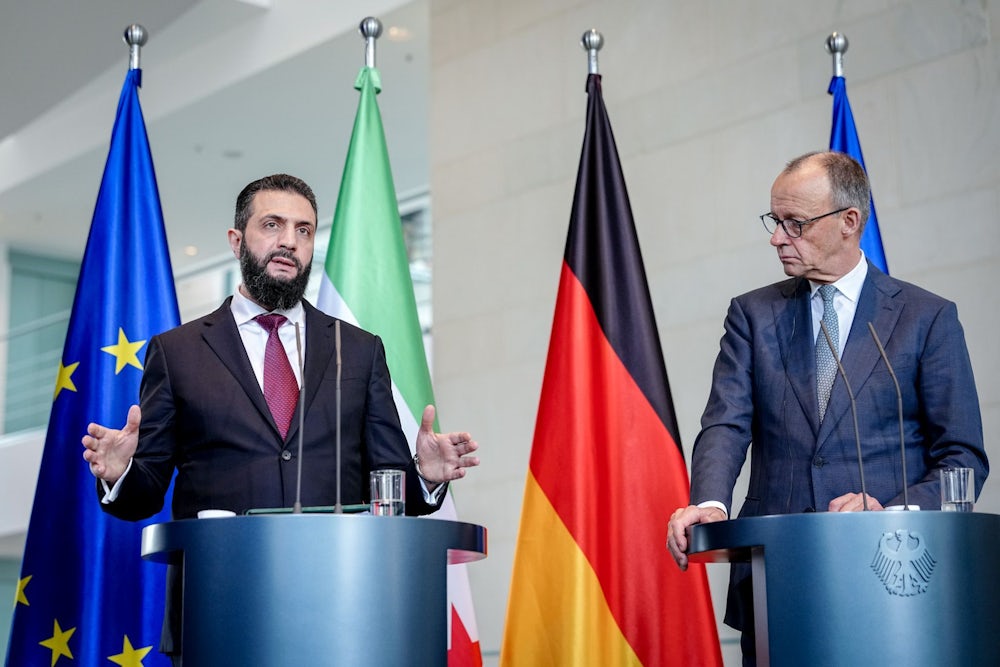
Recent statements by German Chancellor Friedrich Merz regarding the return of Syrian refugees have sparked significant debate about the future of this population in Germany. Merz suggested that up to 80% of the over 900,000 Syrians currently residing in Germany should return to their homeland, a claim that has been met with both support and criticism from various political factions. This briefing examines the implications of these statements on migration policy, the socio-economic integration of refugees, and the realities of the situation in Syria, highlighting the complexities surrounding the repatriation of Syrian refugees.
Strategic Context
The Syrian civil war, which began in 2011, has resulted in one of the largest refugee crises in modern history, with millions fleeing to neighboring countries and Europe. Germany has been a primary destination for Syrian refugees, particularly during the peak of the crisis in 2015, when Chancellor Angela Merkel’s government adopted an open-door policy. This approach has since evolved, with increasing calls for the return of refugees as conditions in Syria are perceived to improve. The recent comments by Chancellor Merz reflect a shift in the political landscape, emphasizing the need for a structured return policy amidst ongoing debates about integration and labor shortages in Germany.
The political discourse surrounding the return of Syrian refugees is further complicated by the differing views within the German government and among local authorities. While some officials, like Chancellor Merz, advocate for the repatriation of refugees to support the reconstruction of Syria, others, including representatives from the German Association of Cities, argue for retaining skilled workers who have successfully integrated into German society. This divergence highlights the tension between national policy objectives and local economic needs, as well as the humanitarian considerations involved in the potential return of refugees to a country still recovering from war.
Deep Analysis
Chancellor Merz’s assertion that 80% of Syrian refugees should return to Syria within three years raises critical questions about the feasibility and ethics of such a policy. The statement appears to be influenced by the Syrian transitional president Ahmed al-Scharaa’s perspective, which emphasizes the need for reconstruction and job creation in Syria as prerequisites for repatriation. However, the reality on the ground in Syria remains precarious, with ongoing security concerns and a lack of infrastructure necessary to support the reintegration of returning refugees. This disconnect between political rhetoric and the lived experiences of refugees must be addressed to avoid setting unrealistic expectations.
Moreover, the political motivations behind these statements cannot be overlooked. By framing the return of refugees as a national goal, the government may be attempting to appease right-wing factions that have gained traction in German politics, advocating for stricter immigration controls. This strategy risks alienating the significant portion of the population that supports refugee integration and could exacerbate social tensions. The challenge lies in balancing the political imperatives with the humanitarian obligations to protect individuals who have sought refuge from violence and persecution.
The mixed reactions from various political parties further illustrate the complexities of this issue. While some members of the ruling coalition support the idea of repatriation, others express concern about the implications for social cohesion and the labor market. The call to retain skilled Syrian workers who have integrated into German society underscores the economic value these individuals bring, particularly in sectors facing labor shortages. This highlights the need for a nuanced approach that considers both the potential for return and the benefits of integration, rather than a one-size-fits-all policy that may lead to adverse outcomes for both refugees and host communities.
Impact on Migrants
The proposed policy of encouraging the return of Syrian refugees could have significant legal and social implications for this population. Legally, refugees who have been granted asylum or protection status in Germany may face uncertainty regarding their status if the government actively promotes repatriation. This could lead to anxiety among refugees about their future in Germany, potentially affecting their mental health and sense of belonging. Furthermore, the suggestion that refugees should return to Syria may deter new asylum seekers from applying for protection in Germany, fearing that their safety and rights will not be adequately upheld.
Socially, the discourse surrounding repatriation could foster a climate of exclusion and stigmatization for Syrian refugees who have made Germany their home. Many have established lives, formed communities, and contributed to the economy. The emphasis on return may undermine these efforts and lead to feelings of alienation among refugees, particularly those who have integrated successfully into German society. It is crucial for policymakers to recognize the contributions of refugees and to foster an environment that supports their continued integration, rather than framing their presence as a temporary situation that needs to be resolved through repatriation.
Outlook & Conclusion
Looking ahead, the future of Syrian refugees in Germany hinges on the government’s ability to navigate the complex interplay between political pressures, economic needs, and humanitarian responsibilities. A balanced approach that recognizes the realities of the situation in Syria, while also valuing the contributions of refugees to German society, is essential. Policymakers must engage in constructive dialogue with refugees, local communities, and stakeholders to develop a comprehensive strategy that addresses both the potential for safe return and the importance of integration. As the situation evolves, continuous assessment and adaptation of policies will be necessary to ensure that the rights and well-being of refugees are upheld.
Anchor Source: faz.net | Analyzed by AboMatrix AI Engine