


Reassessing Syrian Refugee Returns: Policy Implications and Labor Market Dynamics in Germany
Recent statements by German Chancellor Friedrich Merz regarding the return of Syrian refugees have sparked significant debate, highlighting the complex interplay betwee...

Reassessing Syrian Refugee Returns: Policy Implications and Labor Market Dynamics in Germany
⏱ 5 min read
Executive Summary
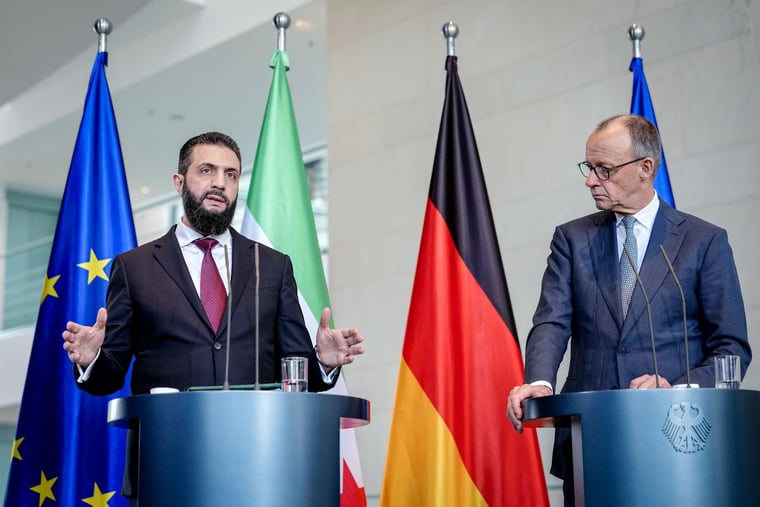
Recent statements by German Chancellor Friedrich Merz regarding the return of Syrian refugees have sparked significant debate, highlighting the complex interplay between migration policy, labor market needs, and the socio-political context in Syria. Merz’s assertion that 80% of Syrian refugees in Germany should return to their homeland within three years, as suggested by Syrian Transitional President Ahmed al-Scharaa, raises critical questions about the feasibility and implications of such a policy. This briefing examines the historical context, the political motivations behind the return policy, and its potential impacts on both migrants and the German labor market.
Strategic Context
The Syrian civil war, which began in 2011, has led to one of the largest refugee crises in modern history, with millions fleeing to neighboring countries and Europe. Germany has been one of the primary destinations for Syrian refugees, with approximately 320,000 Syrians currently employed in the country. The influx of refugees has significantly influenced German demographics and labor markets, particularly in light of ongoing skilled labor shortages. The German government has historically adopted a humanitarian approach to asylum seekers, but recent political shifts have prompted a reevaluation of this stance, particularly under the leadership of Chancellor Merz and the Christian Democratic Union (CDU).
In recent months, the German government has intensified discussions around the voluntary return of refugees, particularly those whose asylum claims have been rejected. The proposed return of 80% of Syrian refugees within three years aligns with broader governmental objectives to manage migration flows and address domestic labor market needs. However, this policy must be contextualized within the ongoing instability in Syria, where conditions remain precarious, and the prospects for safe and dignified return are uncertain. The government’s commitment to facilitating the return of refugees is further complicated by the need to ensure that basic services and infrastructure are in place in Syria to support returning populations.
Deep Analysis
The recent statements by Chancellor Merz and subsequent support from other government officials reflect a strategic pivot in Germany’s migration policy, emphasizing the need for a structured return of refugees. This approach appears to be motivated by a combination of domestic political pressures and the desire to align with international expectations regarding refugee returns. The CDU’s stance suggests a prioritization of national interests, including the reduction of the refugee population and the alleviation of perceived burdens on social services. However, this policy raises ethical concerns regarding the safety and rights of returning refugees, particularly in light of the ongoing humanitarian crisis in Syria.
Moreover, the emphasis on the economic contributions of Syrian refugees to the German labor market complicates the narrative surrounding their return. While the government acknowledges the importance of Syrian workers in addressing labor shortages, it simultaneously promotes a narrative of return that may undermine the stability and security of these individuals. The duality of needing skilled labor while advocating for return creates a tension that could lead to further marginalization of refugees who may feel pressured to leave despite their contributions to society.
The government’s approach to facilitating returns, framed as ‘voluntary, safe, and dignified,’ raises questions about the actual conditions in Syria that would allow for such returns to be feasible. The lack of adequate infrastructure, ongoing violence, and the absence of basic services in many areas of Syria challenge the notion that a significant number of refugees can or should return in the near future. Furthermore, the political rhetoric surrounding the end of the civil war and the assertion that there are ‘no reasons for asylum’ in Germany reflects a potentially dangerous oversimplification of the complex realities faced by refugees and the ongoing challenges within Syria.
Impact on Migrants
The proposed policy of encouraging the return of Syrian refugees has direct legal implications for those currently residing in Germany. For individuals whose asylum claims have been rejected or who lack legal status, the government’s commitment to deportation raises concerns about their safety and well-being. Many refugees may face significant risks upon return, including persecution, violence, or economic instability. The potential for forced returns, particularly in the absence of adequate support systems in Syria, poses a serious threat to the rights and dignity of these individuals.
Socially, the narrative surrounding the return of refugees can have profound effects on community cohesion and the integration of Syrian migrants in Germany. The framing of refugees as temporary residents who should return home may foster stigmatization and discrimination, undermining efforts to promote social integration and acceptance. Additionally, the uncertainty surrounding their future can lead to anxiety and a sense of instability among refugees, impacting their mental health and overall quality of life in Germany.
Outlook & Conclusion
Looking ahead, the German government’s approach to Syrian refugee returns will require careful consideration of both the humanitarian implications and the economic realities of the labor market. Policymakers must balance the need for skilled labor with the ethical responsibility to protect vulnerable populations. Future discussions should prioritize the establishment of safe and sustainable conditions in Syria, ensuring that any return policies are grounded in the realities faced by refugees. A comprehensive strategy that includes support for integration, community building, and collaboration with international partners will be essential in addressing the complexities of migration and fostering a more inclusive society.
Anchor Source: stern.de | Analyzed by AboMatrix AI Engine