


Trends in Asylum Applications in Germany: A Critical Analysis of Recent Policy Developments
In March 2026, Germany witnessed a significant decline in the number of first-time asylum applications, marking a 22% decrease compared to the previous year. This trend...

Trends in Asylum Applications in Germany: A Critical Analysis of Recent Policy Developments
⏱ 5 min read
Executive Summary
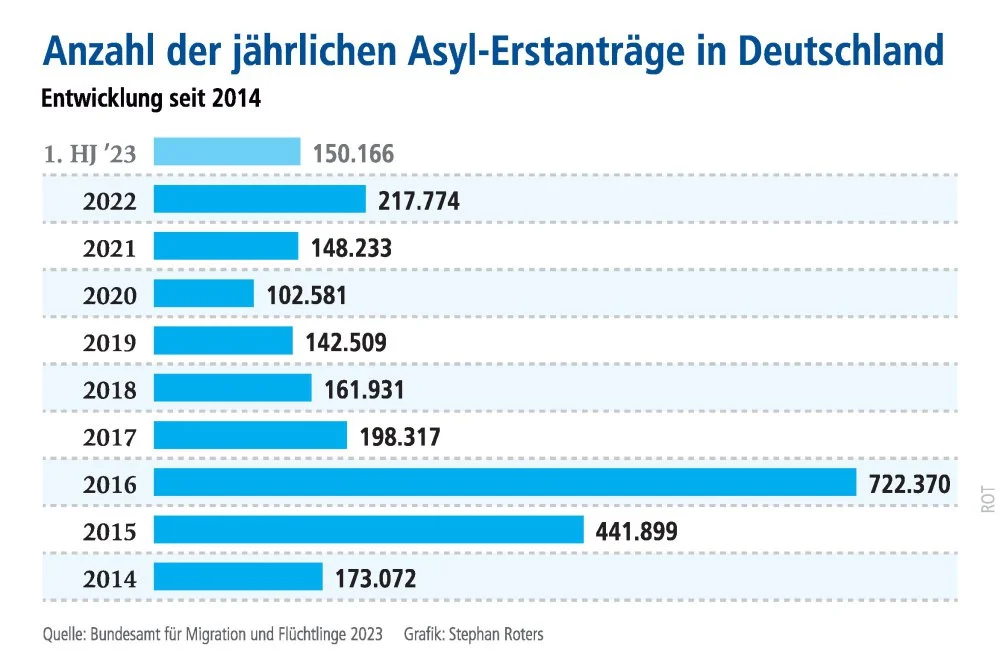
In March 2026, Germany witnessed a significant decline in the number of first-time asylum applications, marking a 22% decrease compared to the previous year. This trend, attributed to the government’s stringent immigration policies, has been framed by officials as a success. The reduction in asylum requests and unauthorized entries reflects broader shifts in migration patterns, particularly from key source countries. This briefing examines the implications of these developments for asylum seekers and the political motivations behind the current policy framework.
Strategic Context
The landscape of migration and asylum in Germany has been shaped by a complex interplay of historical events, political decisions, and socio-economic factors. Following the 2015 refugee crisis, Germany experienced a substantial influx of asylum seekers, prompting the government to implement various measures aimed at managing and controlling migration flows. The introduction of stricter border controls and the establishment of agreements with other EU member states have been central to Germany’s approach in recent years. These policies have been influenced by rising public concerns over immigration and the perceived strain on social services, leading to a political climate that favors more restrictive measures.
In the context of the ongoing geopolitical crises, particularly in regions such as Afghanistan and Syria, the dynamics of migration have evolved. The German government has responded to these challenges by tightening asylum procedures and enhancing border security. The recent decrease in asylum applications and unauthorized entries is seen as a direct outcome of these policies. However, this trend raises questions about the long-term sustainability of such an approach and its implications for Germany’s commitment to international refugee protection.
Deep Analysis
The recent data indicating a 22% decline in first-time asylum applications in March 2026 can be interpreted as a reflection of the German government’s successful implementation of its ‘Asylwende’ or asylum turnaround strategy. Federal Minister of the Interior Alexander Dobrindt has publicly lauded this development as evidence of the effectiveness of the current administration’s approach to immigration control. By maintaining a firm stance on border security and asylum processing, the government aims to deter potential migrants from seeking refuge in Germany, thereby reducing the overall number of applications.
However, the political motivations behind this strategy warrant critical examination. The emphasis on reducing asylum numbers aligns with broader electoral strategies, as public sentiment in Germany has increasingly favored stricter immigration policies. The government’s narrative framing the decline in asylum applications as a success serves to bolster its political capital, particularly in the face of opposition parties advocating for more humane migration policies. This politicization of asylum statistics raises ethical concerns regarding the treatment of vulnerable populations seeking protection.
Moreover, the reduction in unauthorized entries, which has reached its lowest level since the COVID-19 pandemic, suggests a shift in migration patterns influenced by both policy and external factors. The tightening of border controls and the establishment of new destination countries for migrants have contributed to this decline. However, the long-term implications of such policies may result in the diversion of migration flows rather than a genuine decrease in the need for asylum. This could lead to increased risks for migrants who may resort to more dangerous routes or face exploitation in transit countries.
Impact on Migrants
The direct legal and social impacts of the current asylum policies on migrants are profound. The significant reduction in first-time asylum applications indicates that many potential asylum seekers may be deterred from applying due to the stringent measures in place. This creates a precarious situation for individuals fleeing persecution or violence, as they may be left without legal avenues for protection. Furthermore, the high rate of immediate rejections at the borders, with 73% of unauthorized entries resulting in expulsion, raises concerns about the legality and humanitarian implications of such practices, particularly for vulnerable groups such as children and the elderly.
Additionally, the recent ruling by the Berlin Administrative Court, which deemed the rejection of asylum seekers unlawful without prior clarification of the responsible EU member state, highlights the legal complexities surrounding asylum processing in Germany. This ruling may offer some protection to asylum seekers but also reflects the broader challenges within the EU’s asylum system. The lack of a cohesive and fair approach to asylum processing across member states continues to undermine the rights of migrants and complicates their integration into society.
Outlook & Conclusion
Looking ahead, the future of asylum policy in Germany remains uncertain. While the current government may continue to pursue its restrictive approach, the evolving geopolitical landscape and shifting migration patterns necessitate a reevaluation of these strategies. A more balanced approach that prioritizes both border security and the protection of human rights is essential for addressing the needs of asylum seekers while maintaining public trust. As Germany navigates these challenges, it must also consider its role within the broader European context, where solidarity and cooperation among member states are crucial for an effective and humane asylum system.
Anchor Source: finanznachrichten.de | Analyzed by AboMatrix AI Engine