


Legal and Humanitarian Implications of Polish Asylum Restrictions at the Belarusian Border

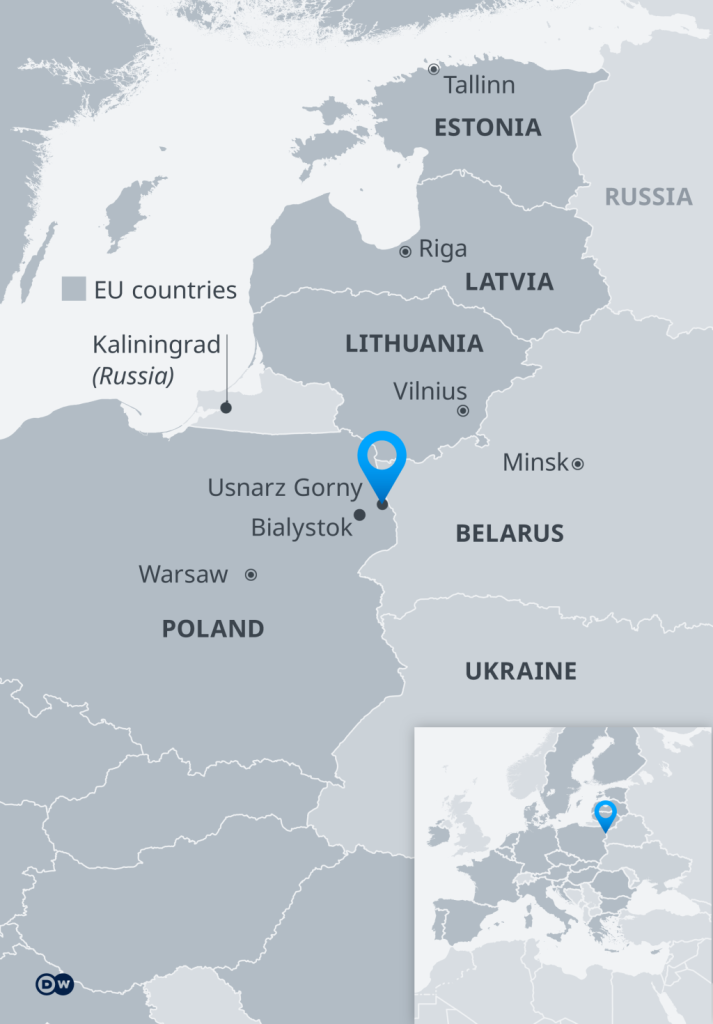
Legal and Humanitarian Implications of Polish Asylum Restrictions at the Belarusian Border
Executive Summary
This paper critically examines the recent amendments to Polish asylum law, particularly the legal framework established in February 2025 that restricts the right to apply for international protection at the Polish-Belarusian border. The analysis highlights the interplay of legal, social, and political dimensions surrounding these changes, particularly in the context of instrumentalisation of migration by Belarus and the broader geopolitical tensions with Russia. The findings suggest that these legal modifications not only contravene international human rights obligations but also exacerbate the humanitarian crisis at the border, necessitating urgent policy reforms to align Poland’s asylum practices with its commitments under international law.
Context & Background
The Polish government has enacted significant legal changes to its asylum framework in response to a perceived crisis at its border with Belarus, which has been characterized by an influx of migrants and allegations of instrumentalisation by Belarusian authorities. Following the controversial presidential election in Belarus in 2020, the Polish Border Guard reported a surge in illegal border crossings, with over 110,000 attempts recorded between July 2021 and November 2024. The introduction of a buffer zone and the subsequent legal amendments reflect Poland’s strategy to fortify its borders amid escalating tensions with Belarus and Russia. The geopolitical context is further complicated by the ongoing war in Ukraine, which has heightened security concerns and prompted Poland to adopt stringent measures to manage migration flows, often at the expense of humanitarian considerations.
The legal amendments, particularly the law enacted on 21 February 2025, have drawn widespread criticism from human rights organizations and international bodies, including the UNHCR. These changes allow for the temporary suspension of the right to apply for asylum under specific conditions, including the notion of ‘instrumentalisation’ of migration. This legal framework raises significant concerns regarding compliance with international human rights standards, particularly the principle of non-refoulement, which prohibits the return of individuals to countries where they may face persecution or serious harm. The implications of these legal changes extend beyond the immediate context of border control, as they reflect broader trends in European migration policy that prioritize state security over the protection of vulnerable populations.
Deep Analysis
The legal amendments introduced by Poland represent a significant shift in the country’s approach to asylum seekers, particularly in the context of the ongoing geopolitical crisis. The law allows for the temporary restriction of asylum applications based on the premise of instrumentalisation, which is defined as actions by a neighboring country that facilitate illegal crossings to destabilize Poland. While the government argues that these measures are necessary to protect national security, they raise fundamental questions about the balance between state sovereignty and the protection of human rights. The legal framework established by the new law appears to legitimize pushback practices, which have been widely condemned by human rights advocates and are currently under scrutiny by the European Court of Human Rights (ECtHR).
Moreover, the vagueness surrounding the term ‘immediately’ in the context of asylum applications poses a significant risk to individuals seeking protection. The law’s stipulations allow for interpretations that could result in the denial of asylum to individuals who have been apprehended after spending time in precarious conditions, thereby undermining their right to seek protection. This ambiguity is particularly concerning given the documented instances of violence and human rights abuses faced by migrants at the border, including pushbacks and inadequate access to asylum procedures. The humanitarian implications of these legal changes are profound, as they exacerbate the already dire conditions faced by migrants, many of whom are fleeing conflict and persecution.
The political dimension of these legal amendments cannot be overlooked. The Polish government’s actions are reflective of a broader trend within the European Union, where member states are increasingly prioritizing border security over humanitarian obligations. The rise of populist and nationalist sentiments across Europe has led to a re-evaluation of migration policies, often resulting in restrictive measures that disproportionately affect vulnerable populations. In Poland, the government’s narrative framing migrants as security threats has resonated with segments of the population, further entrenching anti-immigrant sentiments and justifying the implementation of harsh border control measures. This political climate poses significant challenges for human rights advocates who seek to uphold the principles of asylum and protection for those in need.
In light of these developments, the legal and social ramifications of Poland’s asylum restrictions warrant urgent attention. The ongoing cases before the ECtHR, including *R.A. and others v. Poland*, will likely set critical precedents for the treatment of asylum seekers in situations of instrumentalisation. The outcomes of these cases will not only impact Poland’s legal obligations but also influence the broader European discourse on migration and asylum. As the situation at the Polish-Belarusian border continues to evolve, it is imperative for policymakers to consider the long-term implications of their actions on human rights and the rule of law.
Methodology
This analysis is based on a review of primary policy documents.
Anchor Source: eumigrationlawblog.eu
Recommendations
- Reassess and amend the legal framework governing asylum applications to ensure compliance with international human rights obligations.
- Implement training programs for border guards and law enforcement officials on human rights standards and the treatment of asylum seekers.
- Enhance transparency and accountability mechanisms for border control practices, including monitoring by independent bodies.
- Facilitate access to legal assistance and support services for migrants at the border to ensure their rights are upheld.
- Engage in dialogue with international organizations and NGOs to develop comprehensive and humane migration policies.
Conclusion
In conclusion, the recent amendments to Polish asylum law reflect a troubling trend towards the prioritization of state security over the protection of human rights. The legal framework established in February 2025 raises significant concerns regarding compliance with international obligations and exacerbates the humanitarian crisis at the border. It is essential for Polish authorities to reconsider these measures and align their asylum practices with their commitments under international law, ensuring that the rights of vulnerable populations are upheld in the face of geopolitical challenges.