


Facing the Abyss: Understanding Our Planet’s Uncertain Future

Facing the Abyss: Understanding Our Planet’s Uncertain Future
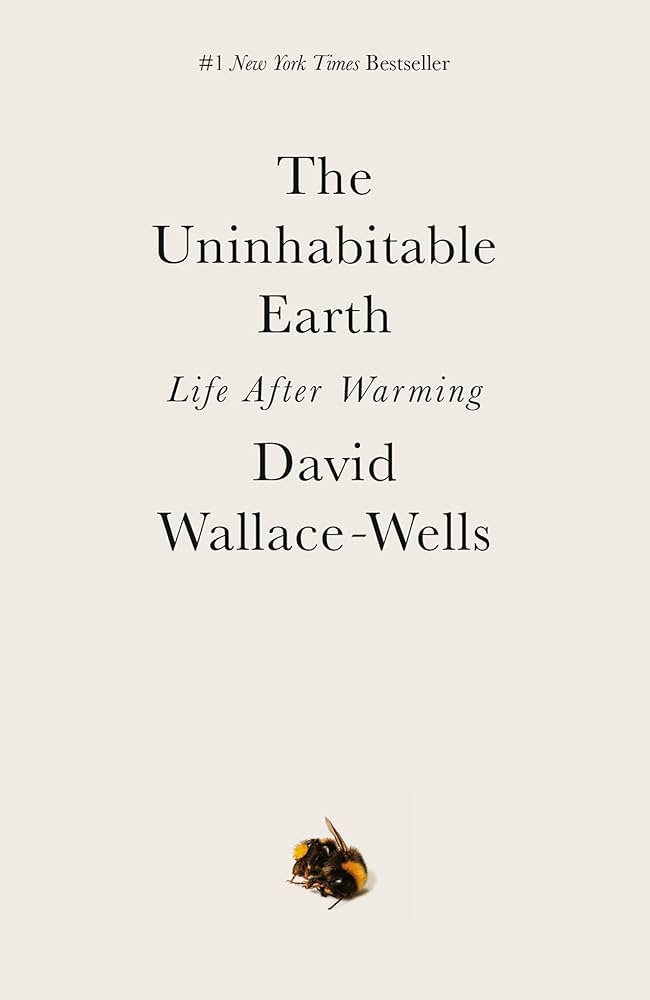
📚 Book Info: The Uninhabitable Earth: Life After Warming by David Wallace-Wells (2019)
In Brief
In ‘The Uninhabitable Earth: Life After Warming,’ David Wallace-Wells presents a stark and urgent portrayal of the catastrophic consequences of climate change, urging readers to confront the reality of a world transformed by rising temperatures. Drawing on extensive scientific research, Wallace-Wells paints a vivid picture of a future marked by extreme weather, economic instability, and social upheaval. This book serves as a wake-up call, not just for policymakers but for every individual, as it lays bare the dire implications of inaction in the face of climate crisis.
Core Ideas
- The climate crisis is not a distant threat; it is already affecting millions and will worsen exponentially if left unchecked.
- Current global warming trends could lead to catastrophic outcomes, including food shortages, mass migrations, and unprecedented natural disasters.
- Humanity’s response to climate change is hampered by denial, complacency, and a lack of political will, which must be overcome to avert disaster.
- Individual and collective action is essential; the choices we make today will determine the quality of life for future generations.
Deep Read
Wallace-Wells’ narrative is both compelling and unsettling, as he meticulously outlines the potential scenarios that could unfold if global temperatures continue to rise. He delves into the science behind climate change, illustrating how seemingly minor increases in temperature can lead to exponential increases in risk. For instance, he discusses how a 2°C rise could trigger feedback loops that exacerbate warming, leading to scenarios that were once considered improbable. This urgency is particularly relevant today, as Europe grapples with the immediate effects of climate change, from devastating floods to heatwaves, making it clear that the time for action is now.
The book also explores the socio-economic ramifications of climate change, emphasizing that it is not just an environmental issue but a profound challenge to human civilization. Wallace-Wells argues that the impacts will not be felt equally; marginalized communities will bear the brunt of climate disasters, exacerbating existing inequalities. This perspective is critical as Europe and the world face increasing political and social tensions, driven in part by climate-induced migration and resource scarcity. By framing climate change as a multifaceted crisis, Wallace-Wells encourages readers to consider the broader implications of their actions and the interconnectedness of our global society.
💡 Why It Matters Now
In light of the ongoing climate crisis, ‘The Uninhabitable Earth’ serves as an essential read for policymakers and the public alike. It provides a sobering reminder of the stakes involved and the urgency of implementing effective climate policies. As Europe aims to lead in climate action, understanding the full scope of potential consequences outlined by Wallace-Wells can galvanize support for necessary changes and foster a sense of collective responsibility. The book challenges readers to confront uncomfortable truths and inspires them to advocate for a sustainable future.
Conclusion
David Wallace-Wells’ ‘The Uninhabitable Earth’ is not merely a book about climate change; it is a clarion call for humanity to awaken to the realities of our warming planet. As we stand at a critical juncture in history, the insights and warnings presented in this work are vital for shaping a sustainable future. It is a reminder that the choices we make today will echo through generations, and it is our responsibility to ensure that those echoes are not of despair, but of hope and resilience.