


Analyzing the Popularity of Cycling Routes in Germany: Trends and Implications for Sustainable Mobility
As cycling continues to gain popularity in Germany, recent data indicates a slight decline in the number of individuals engaging in cycling trips in 2025 compared to 20...

Analyzing the Popularity of Cycling Routes in Germany: Trends and Implications for Sustainable Mobility
⏱ 4 min read
Executive Summary
As cycling continues to gain popularity in Germany, recent data indicates a slight decline in the number of individuals engaging in cycling trips in 2025 compared to 2024. Despite this, approximately 39.3 million Germans utilized bicycles for leisure activities, highlighting the enduring appeal of cycling as a recreational pursuit. This briefing examines the most favored cycling routes in Germany, their characteristics, and the implications for sustainable mobility and tourism.
Strategic Context
Germany has a long-standing tradition of cycling, deeply embedded in its culture and urban planning. The rise of cycling as a favored mode of transport and leisure activity can be traced back to the increasing awareness of environmental issues and the need for sustainable mobility solutions. The government has invested significantly in cycling infrastructure, promoting it as a viable alternative to motorized transport. This investment has resulted in the establishment of numerous cycling routes across the country, catering to both recreational cyclists and long-distance travelers.
The popularity of cycling in Germany has been further bolstered by the COVID-19 pandemic, which prompted many individuals to seek outdoor activities that allow for social distancing. However, recent statistics from the ADFC Cycling Travel Analysis indicate a decrease in cycling trips in 2025, raising questions about the sustainability of this trend. The analysis reveals that while the number of leisure cyclists remains high, there is a need to understand the factors influencing cycling behavior and the potential barriers that may hinder its growth.
Deep Analysis
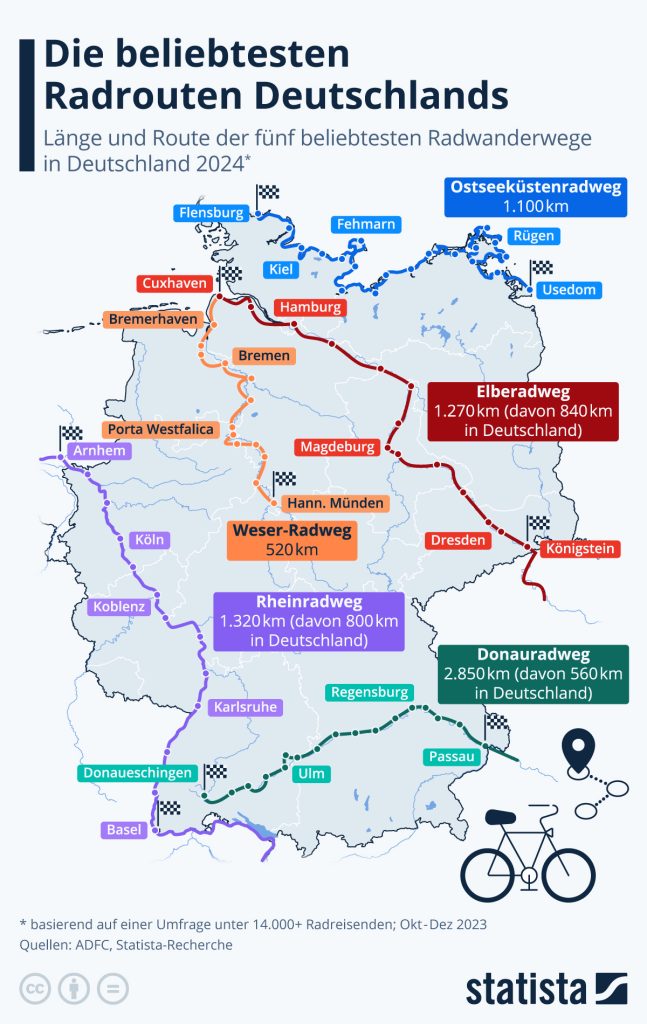
The ADFC Cycling Travel Analysis highlights the top cycling routes in Germany, including the Elberadweg, Weser-Radweg, and Ostseeküsten-Radweg, among others. Each route offers unique landscapes and experiences, appealing to a wide range of cyclists. The Elberadweg, for instance, stretches over 1,300 kilometers, traversing picturesque cities such as Dresden and Hamburg, making it a prime choice for both local and international tourists. The diversity of these routes not only enhances the cycling experience but also promotes regional tourism, contributing to local economies.
However, the slight decline in cycling trips in 2025 suggests that there may be underlying issues that need to be addressed. Factors such as weather conditions, urban infrastructure, and the availability of cycling amenities can significantly impact cycling participation. Furthermore, the competition from other leisure activities and the potential resurgence of motorized transport post-pandemic may also play a role in this trend. Policymakers must consider these dynamics when planning future cycling initiatives and infrastructure investments.
Political motivations behind promoting cycling routes are often tied to broader environmental and public health goals. By encouraging cycling, the government aims to reduce carbon emissions, alleviate traffic congestion, and improve public health outcomes. However, the effectiveness of these policies depends on the continuous engagement of the cycling community and the ability to adapt to changing preferences and behaviors. Ensuring that cycling remains an attractive option requires ongoing investment in infrastructure, safety measures, and public awareness campaigns.
Impact on Migrants
For migrants and refugees, access to cycling routes can provide significant social and economic benefits. Cycling serves as an affordable mode of transport, enabling individuals to navigate their new environments, access employment opportunities, and engage with local communities. Moreover, cycling can foster social integration by encouraging interaction with locals and participation in community events centered around cycling.
However, barriers such as language differences, lack of awareness of available routes, and inadequate infrastructure can hinder migrants’ ability to fully utilize cycling as a means of mobility. Policymakers must ensure that cycling initiatives are inclusive and accessible to all residents, including migrants, by providing multilingual resources, community outreach programs, and safe cycling infrastructure that accommodates diverse needs.
Outlook & Conclusion
Looking ahead, the future of cycling in Germany will depend on the ability of policymakers to address the challenges identified in the ADFC Cycling Travel Analysis. By fostering an inclusive cycling culture, investing in sustainable infrastructure, and promoting cycling as a viable mode of transport, Germany can enhance its reputation as a cycling-friendly nation. Continued collaboration between government, local communities, and cycling advocates will be essential in ensuring that cycling remains a popular and sustainable choice for all residents, including migrants and refugees.
Anchor Source: rnd.de | Analyzed by AboMatrix AI Engine