


Germany’s Housing Crisis: What Lies Behind the Soaring Rents?

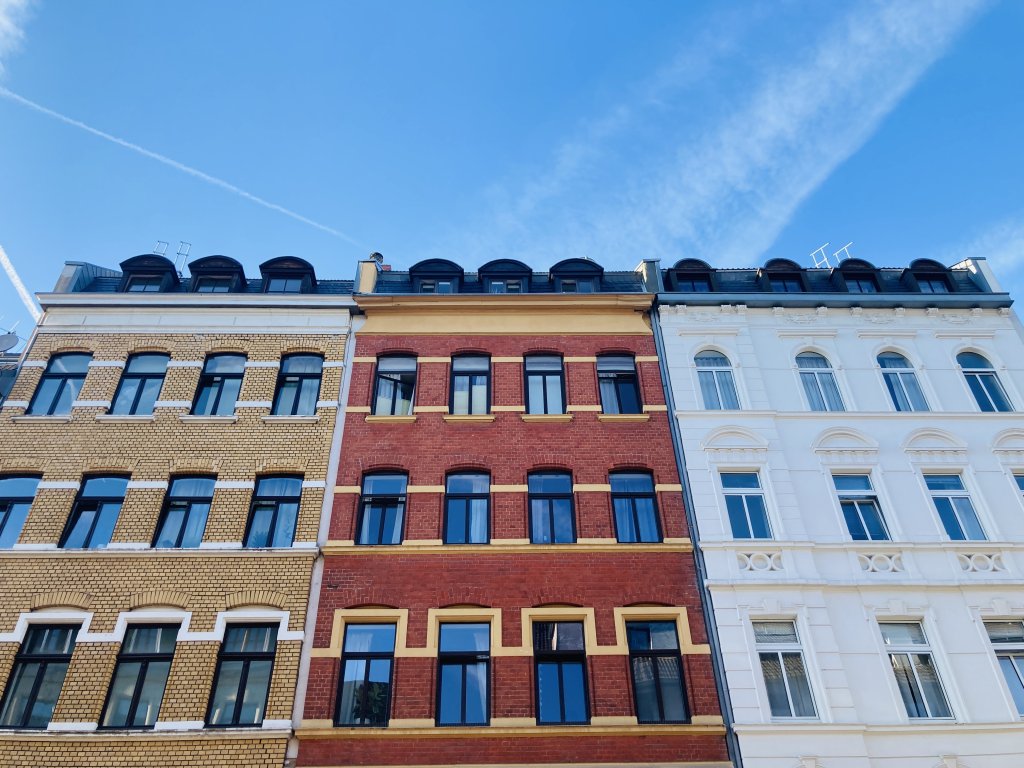
Germany’s Housing Crisis: What Lies Behind the Soaring Rents?
In recent years, the word “housing” in Germany has shifted from something people took for granted to a daily source of anxiety. Studies now speak of a shortfall of several hundred thousand homes nationwide, with some western states alone lacking over a million units when local gaps are added up. This shortage is not an abstract figure: it appears in endless viewing queues, in bidding wars for small apartments, and in the familiar email that says, “We have chosen another applicant.”
To understand what is happening behind the story, we need to look at three elements: supply, demand, and the way the market is organised.
On the supply side, Germany has not built enough housing for many years. Big cities such as Berlin, Munich and Frankfurt openly state that they are failing to meet their own construction targets. In some years, completions fall well short of what would be needed to catch up with the backlog. The reasons are multiple: higher construction costs, a shortage of skilled labour, lengthy planning and approval procedures, and pressure on land use from environmental and legal constraints.
Demand, meanwhile, keeps rising. Demographic change means more small households and more people living alone for longer. Economically, good jobs and universities cluster in metropolitan areas. Internal migration from rural regions to cities and international migration from other countries add further layers to this trend. In practice, more people are competing for a limited stock of dwellings, especially in neighbourhoods that offer good transport links, schools and services.
A third key factor is how the market has been financialised. Parts of the housing stock have become financial assets held by investment funds and large real-estate companies seeking higher returns. Instruments such as furnished “temporary” rentals push prices upwards and effectively remove flats from the classic long-term rental market for families and low-income households. Berlin is a prominent example of a city where the shift from “simple flat with a long contract” to expensive short-term models has fuelled instability and social tension.
The outcome is clear:
- Rents continue to rise, particularly in large cities and attractive districts.
- Low- and middle-income households spend an increasing share of their income on housing.
- A growing number of people feel that “the game is rigged” and that housing is turning from a basic right into a privilege reserved for those who can pay.
Politically, debate focuses on three directions:
- Building more, faster – by simplifying planning rules and offering incentives for genuinely affordable housing, not just high-end projects.
- Expanding the public role – giving municipalities and non-profit actors stronger tools to build or acquire social housing.
- Stronger regulation of rents – from caps on increases to stricter oversight of furnished short-term rentals.
Behind all this lies a deeper question:
Should housing be left primarily to market logic, or treated as social infrastructure like education and healthcare? How can Germany balance the legitimate interests of landlords with the need for stability and dignity for tenants?
For a platform that addresses everyone living in Germany – long-term residents and newcomers alike – covering the housing crisis is not just about reporting rent levels. It is about explaining the structures that produced the crisis and opening a conversation on what kind of cities and communities people want to build in the years ahead.