


Addressing Migration Challenges: Balancing Security and Humanitarian Obligations in Germany
The increasing crime rates among specific migrant groups in Germany pose significant challenges to national security and social cohesion. Chancellor Merz has highlighte...

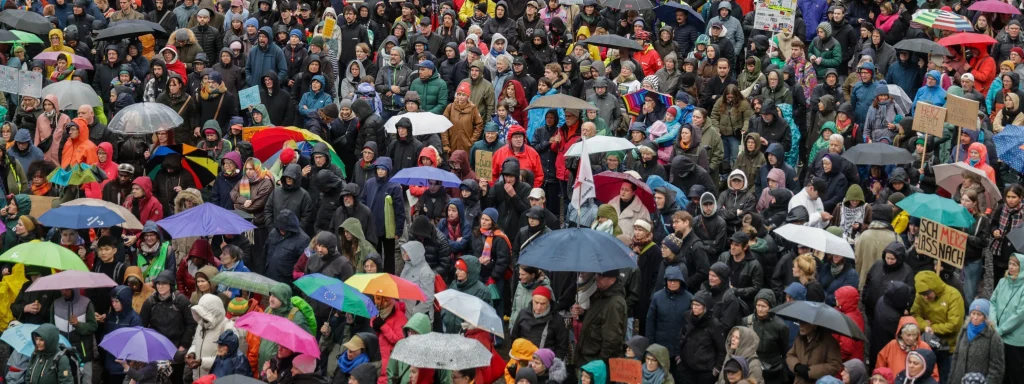
Addressing Migration Challenges: Balancing Security and Humanitarian Obligations in Germany
⏱ 4 min read
Executive Summary
The increasing crime rates among specific migrant groups in Germany pose significant challenges to national security and social cohesion. Chancellor Merz has highlighted the need for a balanced approach to migration policy that addresses these issues without stigmatizing law-abiding migrants. This briefing examines the political and historical context surrounding these challenges, analyzes the motivations behind current policies, and assesses their impacts on migrants and refugees in Germany.
Strategic Context
Germany has long been a destination for migrants and refugees, particularly in the wake of conflicts in regions such as Syria and Afghanistan. The influx of migrants has contributed to the country’s demographic diversity but has also led to rising concerns about crime and social integration. The political landscape has shifted in recent years, with increasing pressure on the government to address public safety while maintaining humanitarian commitments. Chancellor Merz’s recent statements reflect a growing consensus among political leaders that uncontrolled migration could undermine the social fabric of the nation, necessitating a reevaluation of existing policies.
Historically, Germany has prided itself on its humanitarian approach to migration, especially during crises. However, the perception of rising crime rates among certain migrant populations has fueled public anxiety and political discourse around migration. This has led to calls for stricter border controls, expedited deportations, and a focus on addressing the root causes of migration. The challenge lies in finding a balance that ensures national security while upholding the country’s values of diversity and inclusion.
Deep Analysis
The current migration policy discourse in Germany is heavily influenced by the need to address crime without alienating law-abiding migrants. Chancellor Merz’s acknowledgment of the issue reflects a pragmatic approach to governance, recognizing that public safety is a legitimate concern. However, this approach risks oversimplifying complex social dynamics and may inadvertently perpetuate negative stereotypes about migrants. The challenge for policymakers is to develop strategies that differentiate between criminal behavior and the broader migrant population, thereby avoiding stigmatization.
Moreover, the emphasis on controlling migration flows and ensuring that humanitarian protections are not misused indicates a shift towards a more security-oriented framework. This is evident in calls for enhanced border controls and stricter asylum procedures. While these measures may address immediate public concerns, they also raise ethical questions about the treatment of vulnerable populations seeking refuge from violence and persecution. Policymakers must navigate these tensions carefully to maintain Germany’s commitment to human rights while addressing legitimate security concerns.
The political motivations behind these policy shifts are multifaceted. On one hand, there is a genuine desire to protect the internal peace and social cohesion of the country. On the other hand, there is significant political pressure from various factions advocating for stricter immigration controls. This creates a complex environment where the government must balance competing interests, including public safety, humanitarian obligations, and the need for social integration. The challenge lies in crafting policies that are both effective and equitable, ensuring that the rights of migrants are respected while addressing the concerns of the broader population.
Impact on Migrants
The direct legal impacts of the current policy discourse on migrants in Germany are significant. Stricter border controls and expedited deportation processes may lead to increased uncertainty for asylum seekers, particularly those from conflict zones such as Syria and Afghanistan. This could result in a chilling effect, where potential migrants may hesitate to seek refuge in Germany due to fears of being turned away or deported. Additionally, the focus on crime may lead to increased scrutiny of migrant communities, potentially resulting in discriminatory practices that undermine their rights and integration efforts.
Socially, the narrative surrounding crime and migration can have detrimental effects on the perception of migrants within German society. Law-abiding migrants may find themselves unfairly associated with criminal behavior, leading to social stigmatization and isolation. This can hinder their ability to integrate into society, access employment opportunities, and build community ties. Furthermore, the emphasis on security over humanitarian considerations may alienate migrants, making it more challenging for them to contribute positively to the social fabric of Germany.
Outlook & Conclusion
Looking ahead, Germany faces the critical task of redefining its migration policies to ensure they are both effective in addressing security concerns and respectful of humanitarian obligations. The government must engage in a comprehensive dialogue that includes migrants, civil society, and political stakeholders to develop inclusive policies that promote integration while safeguarding public safety. By fostering a balanced approach, Germany can uphold its values of diversity and inclusion while addressing the legitimate concerns of its citizens.
Anchor Source: faz.net | Analyzed by AboMatrix AI Engine