


Birthright Citizenship Debate: Implications for U.S. Migration Policy

Birthright Citizenship Debate: Implications for U.S. Migration Policy
⏱ 3 min read
Executive Summary
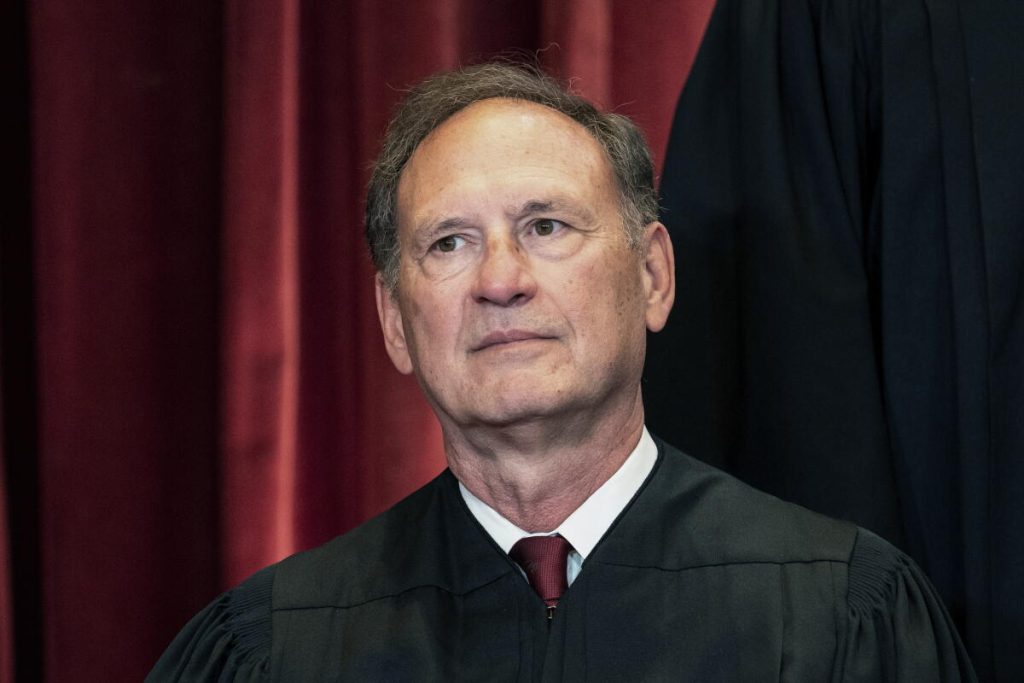
Justice Samuel Alito’s dissent in a Supreme Court case challenges the interpretation of the Fourteenth Amendment regarding birthright citizenship. He argues that automatic citizenship for children of foreign nationals, including undocumented immigrants and birth tourists, undermines the original intent of the Amendment and poses national security risks. This decision could reshape U.S. migration policy and citizenship laws, with profound implications for migrants and refugees.
Strategic Context
The concept of birthright citizenship, rooted in the Fourteenth Amendment of the U.S. Constitution, has long been a cornerstone of American immigration policy. Adopted in 1868, the Amendment was designed to ensure citizenship for formerly enslaved individuals and their descendants, affirming the principle of equal rights under the law. The clause ‘subject to the jurisdiction thereof’ has been interpreted to grant citizenship to nearly all individuals born on U.S. soil, regardless of their parents’ immigration status.
However, this interpretation has faced increasing scrutiny in recent decades, particularly as global migration patterns have shifted. Critics argue that the current application of birthright citizenship incentivizes ‘birth tourism,’ where foreign nationals travel to the U.S. specifically to give birth and secure citizenship for their children. Justice Alito’s dissent reflects a broader debate about whether the Fourteenth Amendment should be reinterpreted to address modern challenges, including illegal immigration and national security concerns.
In-Depth Analysis
Justice Alito’s dissent highlights several key motivations behind his critique of birthright citizenship. First, he emphasizes the original intent of the Fourteenth Amendment, arguing that it was never meant to grant citizenship to individuals who owe allegiance to foreign powers. By extending citizenship to children of undocumented immigrants or birth tourists, he contends that the Court has distorted the Amendment’s purpose.
Second, Alito raises concerns about national security. He posits hypothetical scenarios where individuals born in the U.S. to foreign adversaries could exploit their citizenship status to harm the country. While these scenarios are speculative, they underscore broader anxieties about the intersection of immigration policy and security in an increasingly interconnected world.
Finally, Alito critiques the broader implications of the Court’s decision for U.S. immigration policy. He argues that the ruling perpetuates a system where illegal immigration is tacitly encouraged, undermining the rule of law and placing undue strain on public resources. His dissent calls for a more restrictive interpretation of the Fourteenth Amendment, aligning citizenship laws with contemporary geopolitical realities.
Impact on Migrants
For migrants and refugees, the implications of this policy debate are profound. If the interpretation of the Fourteenth Amendment were to shift, children born in the U.S. to undocumented parents or birth tourists might no longer automatically receive citizenship. This could create significant legal and social challenges for families, potentially leading to statelessness or difficulties in accessing education, healthcare, and other essential services.
On the other hand, a stricter approach to birthright citizenship might deter birth tourism and illegal immigration, prompting migrants to seek lawful pathways to residency and citizenship. While this could strengthen the integrity of U.S. immigration laws, it risks marginalizing vulnerable populations who lack the resources or opportunities to navigate complex legal systems.
Outlook & Conclusion
The debate over birthright citizenship reflects broader tensions in U.S. immigration policy, balancing the principles of inclusivity and national sovereignty. As policymakers and legal experts grapple with these issues, the future of migration and citizenship laws will likely hinge on finding a middle ground that respects constitutional values while addressing modern challenges. For migrants and refugees, clarity and fairness in these laws are essential to ensuring their dignity and rights.

Prepared & Analyzed by: Migration Policy Unit | AboMatrix