


Digital Peace: The New Era of US-Iran Relations Begins

Digital Peace: The New Era of US-Iran Relations Begins
The recent digital signing of a framework agreement between the United States and Iran marks a significant turning point in international relations. As tensions have escalated in the region, this agreement raises questions about its implications for peace, economic stability, and the geopolitical landscape in the Middle East.
The Significance of a Digital Agreement
The framework agreement, confirmed by officials from both Iran and the US, has been digitally signed, a move that reflects modern diplomatic practices in an age where traditional ceremonies may be politically sensitive. This digital approach was chosen deliberately to avoid potential backlash from hardliners in Iran who view any overtures towards the US with suspicion. The decision underscores the need for both nations to navigate their complex histories while seeking a path to peace.
Immediate Impacts on Regional Stability
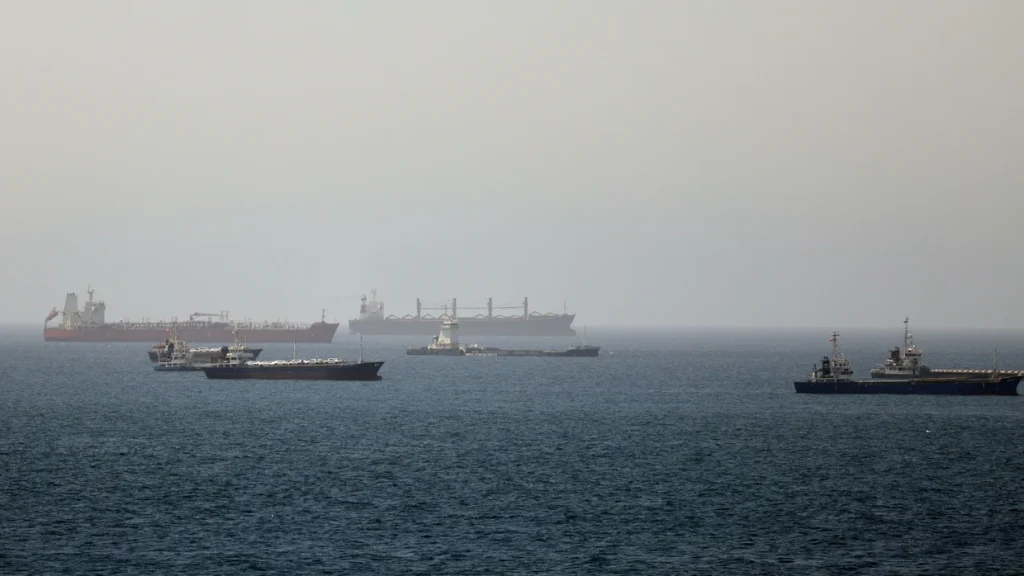
The agreement stipulates an immediate cessation of hostilities and the reopening of the Strait of Hormuz, a vital maritime route for global oil trade. Iran’s commitment to a fee-free passage for 60 days, alongside the US’s promise to lift its blockade on Iranian ports, signals a potential thaw in relations that could stabilize the region. However, the agreement also raises concerns about Iran’s future maritime policies and the implications for international shipping, as it hints at Iran’s desire to assert control over maritime services in the region.
Economic Ramifications and Global Reactions
US President Donald Trump has framed the agreement as a means to avert economic disaster, highlighting the potential for market stability following the cessation of hostilities. The promise of lifting sanctions and facilitating trade could lead to a significant influx of investment in Iran, bolstering its economy. However, the international community remains watchful, particularly regarding Iran’s commitments to nuclear non-proliferation and the broader implications for regional security.
Challenges Ahead: Internal and External Pressures
Despite the positive developments, both nations face internal pressures that could undermine the agreement. In Iran, hardliners may resist any concessions perceived as capitulation to US demands, while in the US, skepticism about Iran’s intentions persists. The delicate balance of power within both governments will be crucial in determining the longevity and effectiveness of this agreement.
الخلاصة: The digital signing of the framework agreement between the US and Iran represents a pivotal moment in international diplomacy, with the potential to reshape the geopolitical landscape of the Middle East. While the immediate impacts are promising, the road ahead is fraught with challenges that will require careful navigation. The world watches closely as both nations embark on this uncertain journey towards peace and stability.