


EU Conditionality and Environmental Policy in Albania

EU Conditionality and Environmental Policy in Albania
⏱ 4 min read
Executive Summary
The ongoing protests in Albania over a development project in the Vjosë-Nartë protected area highlight critical gaps in EU conditionality during the pre-accession phase. While the EU’s Stabilization and Association Agreement (SAA) aims to align Albania’s environmental policies with EU standards, legal and procedural limitations have hindered effective implementation, raising concerns about environmental governance and the broader implications for candidate countries navigating accession processes.
Strategic Context
Geopolitical Background
Albania, a candidate country for EU membership, has been undergoing significant reforms to align its legal and institutional frameworks with EU standards. The Stabilization and Association Agreement (SAA), signed in 2006, serves as a roadmap for this alignment, emphasizing environmental sustainability and governance. However, the pre-accession phase often reveals challenges in translating EU directives into binding national laws, especially in areas like environmental protection.
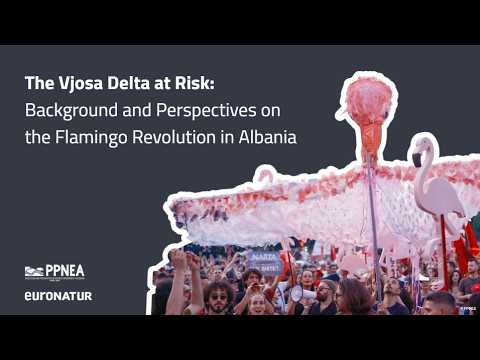
Recently, protests erupted over a development project in the Vjosë-Nartë protected landscape, linked to high-profile investors, including Jared Kushner and Ivanka Trump. The project, facilitated by amendments to Albania’s Law on Protected Areas, has sparked fears of environmental degradation and raised questions about transparency and governance. The European Parliament’s call for a moratorium on such developments underscores the tension between national interests and EU conditionality.
In-Depth Analysis
Policy Motivations and Challenges
EU conditionality aims to ensure candidate countries adopt the acquis communautaire, including environmental directives like the Habitats Directive and the Birds Directive. However, the pre-accession phase often sees these directives treated as persuasive rather than binding, limiting their effectiveness in preventing environmental harm. The Albanian Constitutional Court’s split decision on the compatibility of the 2024 amendments with the SAA illustrates this legal ambiguity.
Albania’s 2015 Law on Strategic Investments and the 2024 amendments to the Law on Protected Areas reflect a policy shift prioritizing economic development over environmental protection. While these laws aim to attract foreign investment, they have sparked public outcry due to concerns about transparency and irreversible ecological damage. This tension highlights the need for stronger governance mechanisms to balance development and sustainability.
The EU’s role in this context is both influential and constrained. While the SAA provides a framework for legal approximation, its enforcement relies on political will and judicial interpretation within candidate countries. The restrained approach of the Albanian Constitutional Court underscores the limitations of EU conditionality in ensuring compliance with environmental standards during the pre-accession phase.
Impact on Migrants
Legal and Social Implications
The development project and its associated legal amendments could have indirect consequences for migrants and refugees in Albania. Environmental degradation and reduced access to protected areas may affect local communities, including vulnerable populations, by limiting resources and opportunities for sustainable livelihoods. Migrants often rely on stable ecosystems for agriculture, fishing, and other forms of subsistence.
Moreover, the protests and political instability surrounding the project may create an uncertain environment for migrants and refugees seeking integration. Transparent governance and adherence to EU standards are crucial for fostering trust and ensuring equitable treatment of all residents, including migrants. Strengthening environmental policies can serve as a broader indicator of good governance, benefiting both local and migrant populations.
Outlook & Conclusion
As Albania navigates its EU accession journey, the Vjosë-Nartë protests serve as a critical reminder of the need for robust governance and effective implementation of EU conditionality. Balancing economic development with environmental sustainability is not only essential for meeting EU standards but also for ensuring equitable and inclusive growth. The future of Albania’s integration into the EU will depend on its ability to address these challenges and uphold the principles of transparency and sustainability.

Prepared & Analyzed by: Migration Policy Unit | AboMatrix