


Germany Debates UN Funding Amid Criticism

Daily Monitor
September 27, 2026
Germany Debates UN Funding Amid Criticism
German President Steinmeier warns against reducing UN contributions, calling it ‘short-sighted and fatal.’
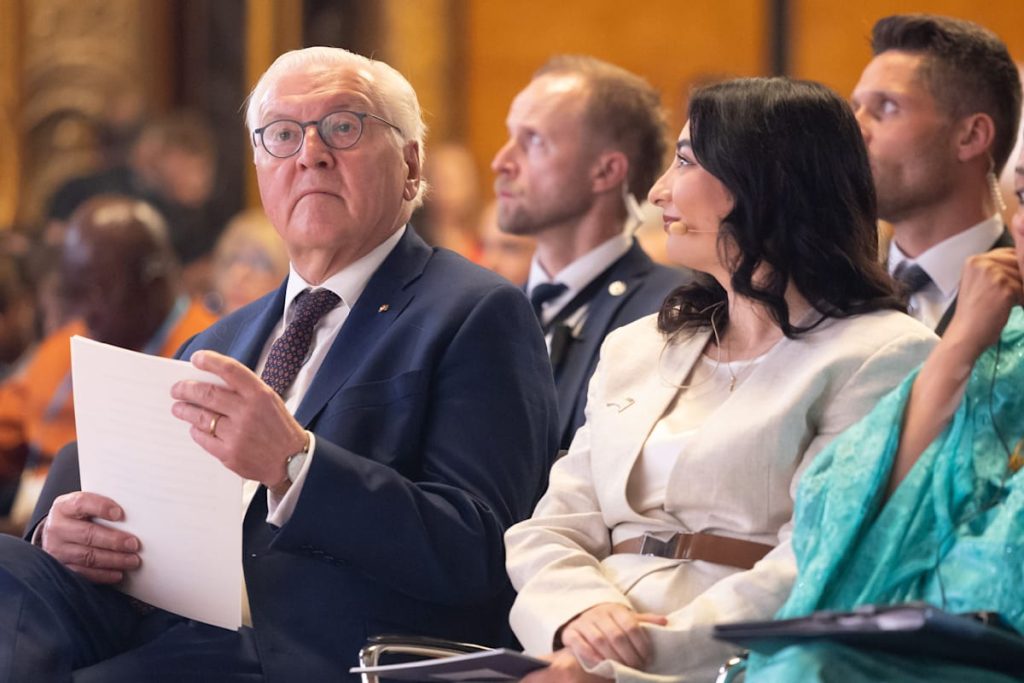
German President Frank-Walter Steinmeier has issued a stark warning against any potential reduction in Germany’s financial contributions to the United Nations. Speaking at the Hamburg Sustainability Conference, Steinmeier described such a move as ‘short-sighted and fatal,’ emphasizing the critical role the UN plays in fostering international cooperation, peace, and development. His remarks come amid growing domestic debates following Germany’s recent failure to secure a non-permanent seat on the UN Security Council.
The debate over Germany’s engagement with the UN was reignited after Johann Wadephul, a senior CDU politician, suggested that Germany might reconsider its substantial financial support for the organization. Wadephul argued that Germany, as one of the largest contributors to the UN, deserves greater recognition and influence in decision-making processes. This sentiment reflects broader frustrations over Germany’s perceived lack of leverage within the UN system, particularly after the bitter setback in its Security Council bid.
Steinmeier, however, firmly rejected calls for a diminished role, underscoring that Germany’s commitment to the UN aligns with its strategic interests. ‘My country will continue to stand for international cooperation, for peace and development, and for an international order whose heart is the United Nations,’ he stated. He also highlighted the growing challenges posed by geopolitical tensions and the erosion of international norms, warning against retreating from multilateralism at a time when global solidarity is urgently needed.
The German Greens have echoed Steinmeier’s stance, with Agnieszka Brugger, Vice Chair of the Green Party’s parliamentary group, urging a more proactive approach. Brugger stressed the importance of self-reflection and reform, stating that Germany must learn from its Security Council defeat and demonstrate greater humility and commitment. She called for Germany to act as a ‘catalyst’ for UN reforms, ensuring the organization remains effective and relevant in addressing global challenges.
Steinmeier also pointed to the need for internal reforms within the UN itself, advocating for increased efficiency and effectiveness. He acknowledged the growing skepticism surrounding the UN’s ability to deliver results, particularly in the face of rising nationalism and power politics. ‘The United Nations must prove that it can deliver better outcomes than the strongmen with their fantasies of omnipotence,’ he remarked, urging both member states and the organization to rise to the occasion.
As Germany navigates this critical juncture, Development Minister Reem Alabali-Radovan has warned against further cuts to development aid, emphasizing the importance of maintaining Germany’s global influence. The ongoing debate highlights the tension between domestic political pressures and Germany’s longstanding commitment to multilateralism, raising questions about the future of its role on the world stage.
The debate over Germany’s engagement with the UN was reignited after Johann Wadephul, a senior CDU politician, suggested that Germany might reconsider its substantial financial support for the organization. Wadephul argued that Germany, as one of the largest contributors to the UN, deserves greater recognition and influence in decision-making processes. This sentiment reflects broader frustrations over Germany’s perceived lack of leverage within the UN system, particularly after the bitter setback in its Security Council bid.
Steinmeier, however, firmly rejected calls for a diminished role, underscoring that Germany’s commitment to the UN aligns with its strategic interests. ‘My country will continue to stand for international cooperation, for peace and development, and for an international order whose heart is the United Nations,’ he stated. He also highlighted the growing challenges posed by geopolitical tensions and the erosion of international norms, warning against retreating from multilateralism at a time when global solidarity is urgently needed.
The German Greens have echoed Steinmeier’s stance, with Agnieszka Brugger, Vice Chair of the Green Party’s parliamentary group, urging a more proactive approach. Brugger stressed the importance of self-reflection and reform, stating that Germany must learn from its Security Council defeat and demonstrate greater humility and commitment. She called for Germany to act as a ‘catalyst’ for UN reforms, ensuring the organization remains effective and relevant in addressing global challenges.
Steinmeier also pointed to the need for internal reforms within the UN itself, advocating for increased efficiency and effectiveness. He acknowledged the growing skepticism surrounding the UN’s ability to deliver results, particularly in the face of rising nationalism and power politics. ‘The United Nations must prove that it can deliver better outcomes than the strongmen with their fantasies of omnipotence,’ he remarked, urging both member states and the organization to rise to the occasion.
As Germany navigates this critical juncture, Development Minister Reem Alabali-Radovan has warned against further cuts to development aid, emphasizing the importance of maintaining Germany’s global influence. The ongoing debate highlights the tension between domestic political pressures and Germany’s longstanding commitment to multilateralism, raising questions about the future of its role on the world stage.
Drafted & Edited by Investigative Desk | AboMatrix