


Germany’s Evolving Role in European Migration Policy

Germany’s Evolving Role in European Migration Policy
⏱ 4 min read
Executive Summary
Recent European asylum statistics reveal a significant decline in asylum applications across the EU, with Germany experiencing a 27% drop compared to the previous year. Despite this, Germany remains the top destination for Afghan asylum seekers, reflecting its enduring importance in European migration dynamics. The shifting trends highlight the complex interplay of geopolitical factors, border policies, and humanitarian crises shaping migration flows.
Strategic Context
Migration has long been a defining issue in Europe, shaped by geopolitical instability, economic disparities, and humanitarian crises. Germany, as Europe’s largest economy, has historically been a key destination for asylum seekers, particularly during the 2015-2016 migration wave when it welcomed over a million refugees, primarily from Syria. This legacy has cemented Germany’s reputation as a country of refuge, especially for those fleeing conflict and persecution.
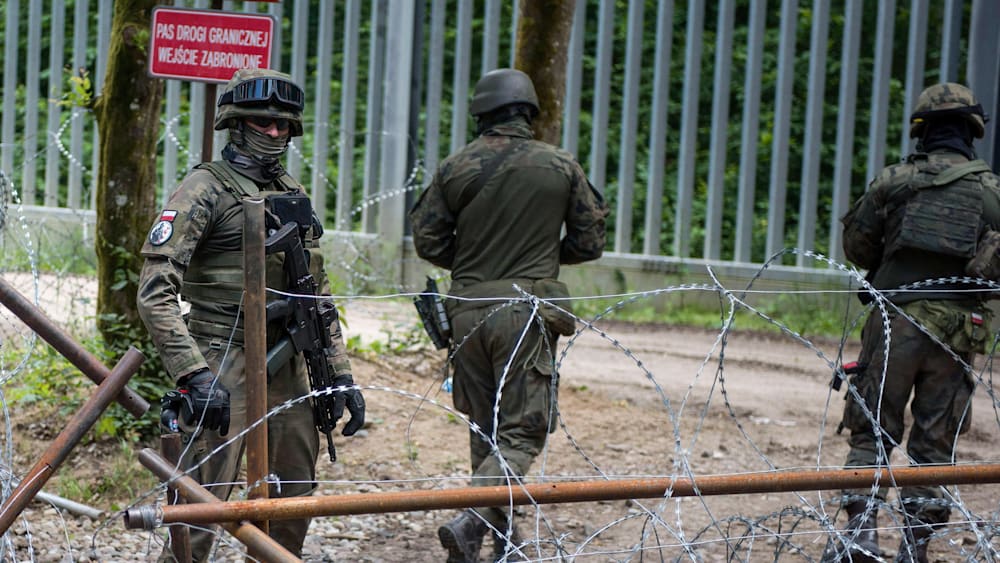
However, recent years have seen significant changes in migration patterns. The European Union (EU) has implemented stricter border controls, and individual member states have adopted varying approaches to asylum policies. The construction of physical barriers, such as Lithuania’s border fence with Belarus, and coordinated EU efforts to manage migration have contributed to a decline in the overall number of asylum applications. Yet, the humanitarian situation in regions like Afghanistan and the Middle East continues to drive migration, underscoring the need for a balanced approach that combines security with compassion.
In-Depth Analysis
The decline in asylum applications in Germany, as reported by the European Union Agency for Asylum (EUAA), reflects broader regional trends. In the first half of 2026, Germany received 51,147 asylum applications, a 27% decrease from the same period in 2025. This drop can be attributed to several factors, including enhanced border controls, streamlined asylum processes, and a shift in migration routes. However, Germany remains the primary destination for Afghan asylum seekers, with 37% of applicants originating from Afghanistan. This highlights the ongoing humanitarian crisis in the region and Germany’s perceived openness to providing refuge.
France, Italy, and Spain have now surpassed Germany in the number of asylum applications, with France leading at 65,538 applications. This shift indicates a redistribution of migration pressures across the EU, influenced by geographic proximity, historical ties, and national policies. For instance, Spain’s role as the top destination for Venezuelan asylum seekers reflects its linguistic and cultural connections to Latin America, while Italy’s position as a gateway for Bangladeshi migrants underscores its geographic location as a primary entry point to Europe.
The EU’s focus on border security, exemplified by Lithuania’s fortified border with Belarus, has also played a role in redirecting migration flows. While such measures may reduce irregular crossings, they raise ethical concerns about access to asylum and the treatment of vulnerable populations. The EUAA’s confidential report emphasizes the need for vigilance in monitoring developments in regions like Afghanistan and Libya, where deteriorating conditions continue to fuel displacement. Balancing security with humanitarian obligations remains a critical challenge for EU policymakers.
Impact on Migrants
For migrants and refugees, these shifting policies and trends have profound implications. The decline in asylum applications in Germany may reflect stricter entry requirements or improved conditions in other EU countries. However, for Afghan asylum seekers, Germany remains a beacon of hope, offering a chance for safety and stability amidst ongoing conflict and economic collapse in their home country. The high proportion of Afghan applicants highlights the urgent need for targeted support and integration programs to help them rebuild their lives.
On the other hand, the increased reliance on border controls and physical barriers, such as Lithuania’s fence, poses significant challenges for those seeking protection. Migrants often face dangerous journeys and limited access to legal pathways for asylum. The EU’s emphasis on security must be balanced with measures to ensure that vulnerable individuals can access their right to seek refuge. This includes expanding resettlement programs, enhancing legal migration channels, and providing adequate resources for asylum processing and integration.
Outlook & Conclusion

Prepared & Analyzed by: Migration Policy Unit | AboMatrix