


Iran: Protests Suppressed, But Anger Simmers, Awaiting ‘The Next Spark’

Iran: Protests Suppressed, But Anger Simmers, Awaiting ‘The Next Spark’
Reported from the source
Quick summary: Protests in Iran have largely subsided due to the regime’s brutal crackdown, leading to a ‘graveyard silence,’ according to Islam scholar Katajun Amirpur. However, she warns that the underlying anger, fueled by thousands of deaths and injuries, is immense and the potential for future, larger uprisings has grown, needing only ‘the next spark.’ Amirpur highlights the regime’s reliance on the Revolutionary Guards and its weakening internal and external position.
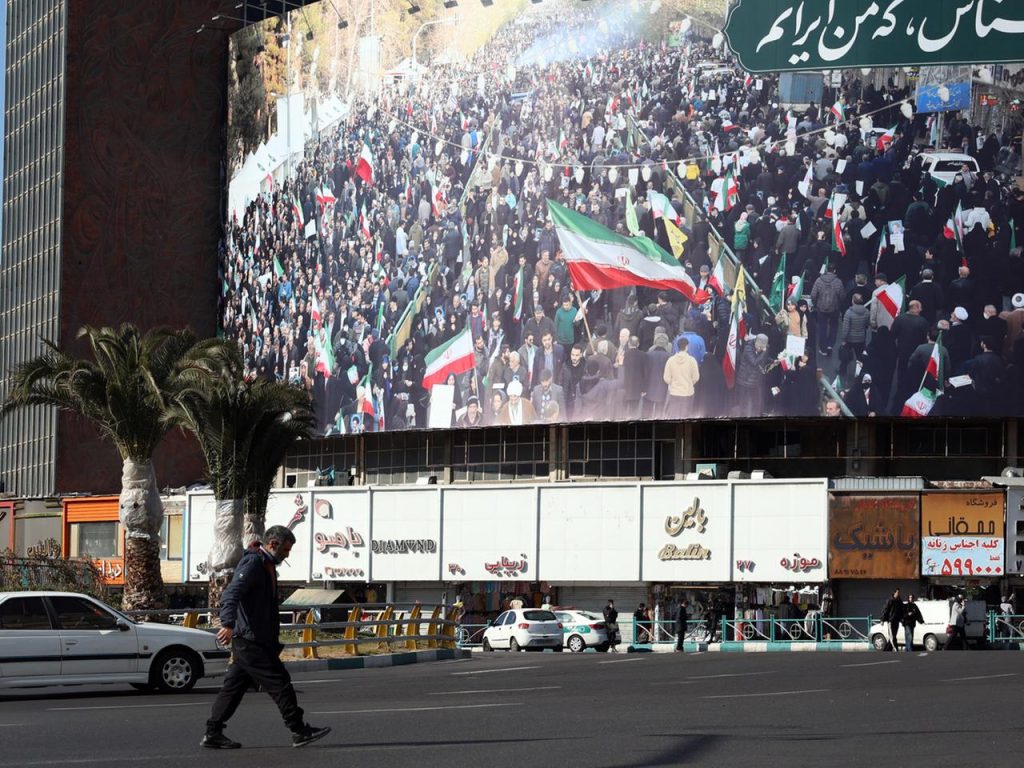
Islam scholar Katajun Amirpur states that the protests in Iran appear to have largely come to a halt, attributing this to the regime’s ‘brutal severity.’ She describes a ‘graveyard silence’ across the country, noting reports of 3,000 to 12,000 deaths, with the regime reportedly shooting into crowds and specifically targeting eyes. Hospitals, too, were allegedly stormed by anti-riot police searching for demonstrators, leading many injured people to avoid seeking medical help. Despite the current calm, Amirpur emphasizes that the protest potential has grown significantly. She points to a trend of shortening intervals between major protest waves since 1999 and a broadening base of participants, now including not only students and the middle class but also poorer segments of society and even traditional regime supporters like bazaar merchants. The regime’s ‘incredible brutality,’ which has resulted in thousands of deaths, has created hundreds of thousands of people who have lost relatives or friends, making their anger ‘hardly containable.’ The regime’s power, Amirpur explains, primarily stems from the Revolutionary Guards, who are not only militarily well-equipped but also control up to three-quarters of the Iranian economy. This group, with much to lose in a potential overthrow, is expected to fight fiercely. While an even greater bloodbath is possible, Amirpur suggests that the people’s despair might eventually lead millions to the streets, creating a momentum that even the heavily armed Revolutionary Guards cannot withstand. She considers this a ‘promising scenario,’ though its timing remains unclear. Regarding potential leadership, Amirpur does not identify a specific person or group. While calls for Reza Pahlavi, son of the deposed Shah, were heard in recent demonstrations and he managed to mobilize many, Amirpur does not see him as a ‘real integrating or transitional figure.’ She believes there is sufficient ‘good political personnel’ within Iranian prisons capable of leading a democratic Iran. However, a unified opposition, both domestically and abroad, is lacking, as the regime has successfully suppressed parties and unions. Change, she concludes, must emerge from civil society. Amirpur also addresses calls for US intervention, such as ‘Trump, come to our aid,’ viewing them as an expression of ‘insane despair’ rather than a strategic hope. Ultimately, she maintains a firm conviction that the Iranian regime, having lost the support of 90 percent of the population and facing severe internal and external weaknesses, is nearing its end. The problems that sparked the protests, including economic and systemic issues, are unlikely to be resolved, further weakening the regime’s position.
Source: www.tagesschau.de