


Italy’s Parliament Approves Controversial 2026 Budget

Italy’s Parliament Approves Controversial 2026 Budget
Reported from the source
Quick summary: Italy’s Parliament has approved its controversial 2026 budget, encompassing 22 billion euros in new spending and tax measures, following weeks of debate and a confidence vote. Prime Minister Giorgia Meloni described it as a “serious and responsible package of measures,” while opposition parties and trade unions heavily criticized it, calling it an “austerity budget” that neglects key public services and foresees zero growth.
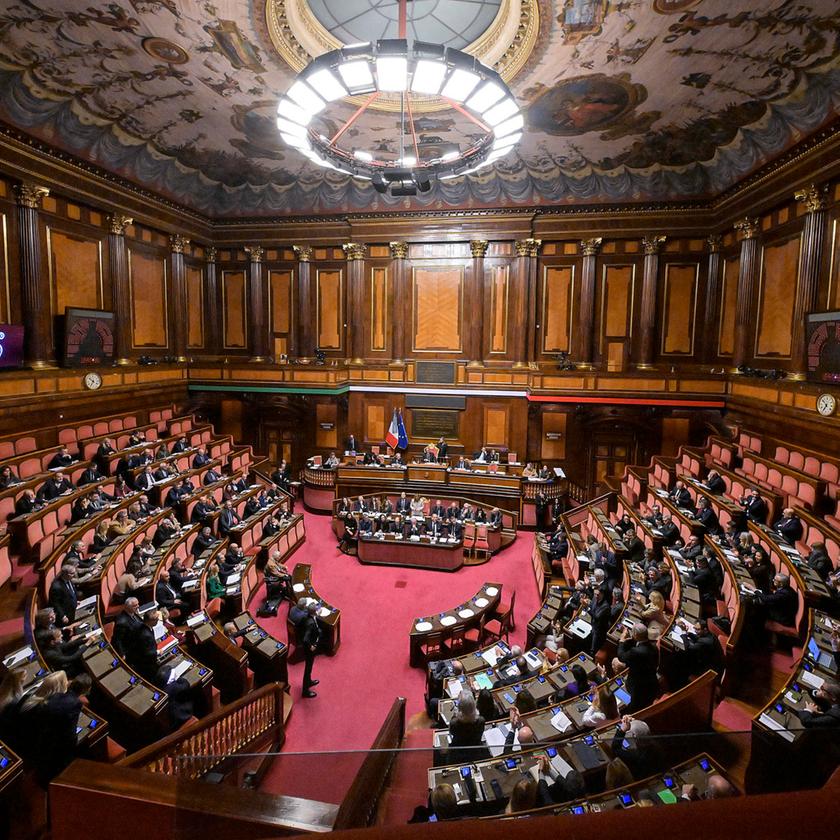
The Italian Parliament passed its 2026 budget just before the year-end, with the Chamber of Deputies giving its approval after the Senate had already agreed before Christmas. The budget, which includes 22 billion euros in new expenditures and tax adjustments, is set to take effect on January 1. Prime Minister Giorgia Meloni’s government had to face a confidence vote on Monday evening to ensure the budget’s timely passage. Meloni stated that the package focuses limited available resources on “some fundamental priorities” and aims to reduce new debt below three percent of the Gross Domestic Product, aligning with European stability criteria. However, the budget has drawn significant criticism. Opposition leader Elly Schlein of the social-democratic Partito Democratico (PD) called it a “savings budget that foresees zero growth” and argued it fails to address the main concerns of Italians. Italy’s largest trade union confederation, CGIL, mobilized with widespread strikes, asserting that the plans would worsen living and working conditions for many, with crucial sectors like healthcare, schools, elderly care, housing, and local transport being inadequately considered. Italy is among Europe’s most indebted nations, and the European Union has repeatedly urged the country to reduce its deficit. The new budget includes investment incentives for businesses and tax relief for employees to boost purchasing power. Funding adjustments include changes to the taxation of banks and insurance companies, a gradual increase in the retirement age, and increased allocation for defense.
Source: www.tagesschau.de