


Middle East Crisis: Israel Strikes Tehran and Beirut, Iran Targets Kurdish Groups, US Sinks Iranian Warship

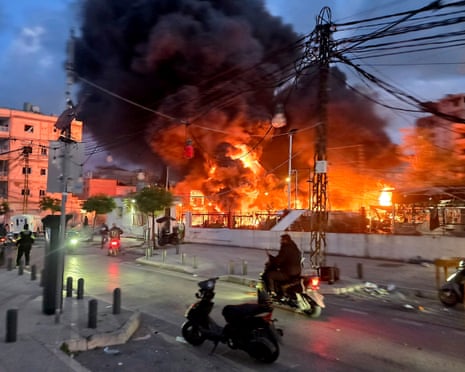
Middle East Crisis: Israel Strikes Tehran and Beirut, Iran Targets Kurdish Groups, US Sinks Iranian Warship
Reported from the source
Quick summary: The Middle East conflict escalated on its sixth day with Israel launching fresh strikes on Tehran and Beirut, where a Hamas official was reportedly killed. Iran targeted Kurdish groups in Iraq and denied firing a missile towards Turkey. A US submarine sank an Iranian warship off Sri Lanka, killing at least 80. The war continues to widen, impacting shipping, raising oil prices, and prompting international repatriation efforts, while a South Korean lawmaker warned of potential disruptions to semiconductor production.
The conflict in the Middle East intensified on its sixth day, marked by significant military actions and regional repercussions. Israel initiated new widespread attacks in Tehran and conducted strikes in Beirut, targeting Hezbollah. Lebanese state media reported an Israeli drone strike killed senior Hamas official Wassim Atallah al-Ali and his wife in a Palestinian refugee camp near Tripoli. Iran announced it had targeted Iraq-based Kurdish groups “opposed to the revolution,” with one member of an exiled Iranian Kurdish group reportedly killed. Iran’s Supreme National Security Council secretary, Ali Larijani, warned “separatist groups” against taking action. However, Iran’s armed forces denied firing any missile towards Turkey, asserting respect for its sovereignty, despite Turkey’s defence ministry stating a ballistic missile from Iran was destroyed by Nato air defences over the eastern Mediterranean. Off Sri Lanka, a US submarine sank the Iranian warship Frigate Dena on Wednesday, resulting in at least 80 deaths. US Defence Secretary Pete Hegseth confirmed the sinking, noting it was the first enemy ship sunk by a torpedo since World War II. In Washington, Republican senators voted against a motion to halt the US air campaign and require congressional authorization, leaving Donald Trump’s power to direct the war largely unbound. The conflict has paralyzed shipping through the Strait of Hormuz, causing oil prices to rise. South Korea expressed concerns that the war could disrupt supplies of key semiconductor manufacturing materials, such as helium, sourced from the Middle East. International efforts to repatriate citizens are underway, with the US, UK, Australia, and New Zealand arranging flights and deploying military assets. The UK is deploying HMS Dragon, a Type 45 defence destroyer, to Cyprus next week. Iran’s slain supreme leader, Ayatollah Ali Khamenei, had his funeral ceremonies indefinitely postponed, while his son, Mojtaba Khamenei, emerged as a frontrunner to succeed him.
Source: www.theguardian.com