


Migration Policy in Sachsen: Trends and Implications for Asylum Seekers
This briefing examines the recent developments in migration and asylum policies in Sachsen, Germany, highlighting the significant decline in successful asylum applicati...

Migration Policy in Sachsen: Trends and Implications for Asylum Seekers
⏱ 4 min read
Executive Summary
This briefing examines the recent developments in migration and asylum policies in Sachsen, Germany, highlighting the significant decline in successful asylum applications and the implications for migrants. In 2026, only about 800 asylum applications were recorded, with a mere 16% approval rate, reflecting a stark shift from previous years. The analysis delves into the historical context of asylum in Germany, the political motivations behind current policies, and the direct impacts on migrants, particularly in terms of legal status and social integration.
Strategic Context
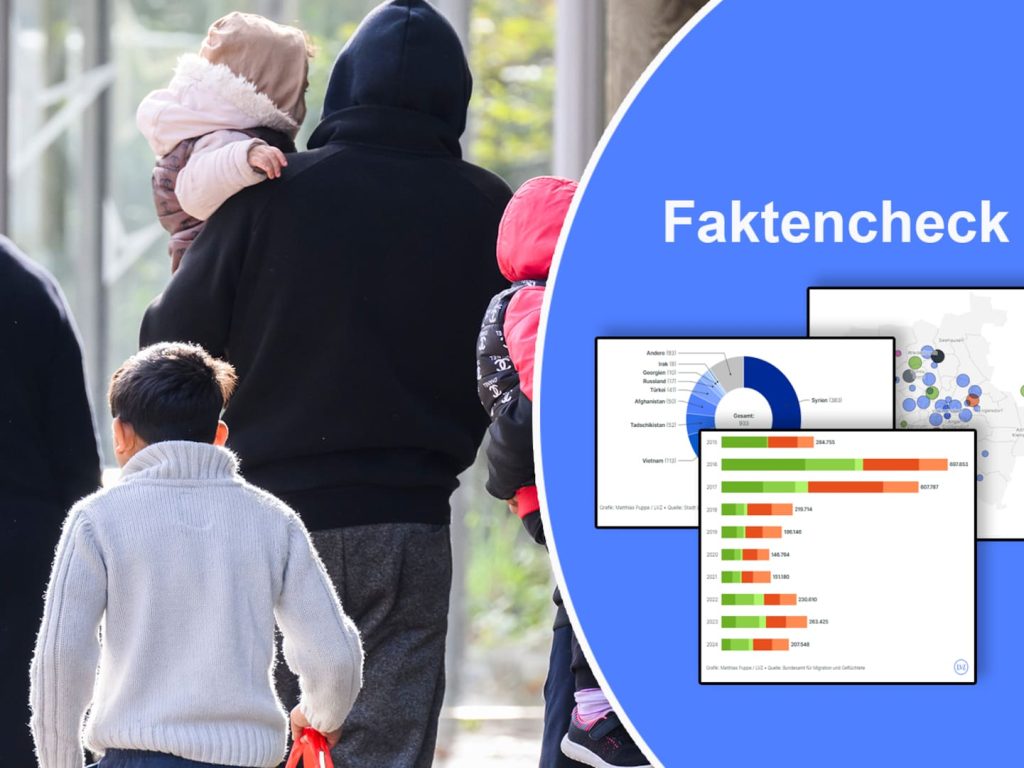
The migration landscape in Germany has undergone significant transformations since the early 1980s, marked by fluctuating numbers of asylum applications. The peak was reached in 2016 with nearly 750,000 applications, driven by conflicts in the Middle East and Africa. In response to the increasing influx, the German government implemented the Königssteiner Schlüssel, a distribution key to allocate asylum seekers across the 16 federal states, including Sachsen, which accommodates approximately 5% of the total. This system aims to prevent regional overload and ensure a more equitable distribution of responsibilities among states.
In recent years, the political discourse surrounding migration has intensified, particularly at the state and federal levels. The rise of populist sentiments and concerns over integration have influenced policy decisions, leading to stricter asylum regulations. The Federal Office for Migration and Refugees (BAMF) has reported a significant decrease in approval rates for asylum applications, with only 62% of cases being rejected in 2026. This shift reflects a broader trend towards more stringent immigration controls and a re-evaluation of Germany’s asylum policies in light of domestic and international pressures.
Deep Analysis
The current asylum policy in Sachsen is characterized by a notable decline in the acceptance rates of asylum applications, which poses critical questions about the motivations behind these changes. The political climate has shifted towards a more restrictive approach, driven by concerns over social cohesion and public sentiment regarding immigration. The reduction in successful asylum claims, from approximately 25% to 16%, suggests a deliberate effort by policymakers to tighten the criteria for refugee status, thereby limiting the number of individuals granted protection.
Moreover, the implementation of the Dublin Regulation, which mandates the return of asylum seekers to the first EU country of entry, further complicates the situation for many migrants. While the intention is to streamline the asylum process, it often results in prolonged uncertainty for applicants and can lead to increased vulnerability for those facing deportation. The federal government’s focus on voluntary departures and enforced removals underscores a punitive approach to migration, prioritizing border control over humanitarian considerations.
The demographic profile of asylum seekers has also evolved, with a significant proportion being young individuals, including children and adolescents. This demographic shift necessitates a reevaluation of integration strategies, as the needs of these groups differ markedly from those of older applicants. The predominance of applicants from countries such as Syria, Afghanistan, and Venezuela highlights the ongoing global crises that drive migration, yet the current policy framework appears ill-equipped to address the complexities of these situations adequately.
Impact on Migrants
The legal and social ramifications of the current asylum policies in Sachsen are profound. With a declining approval rate, many asylum seekers face the prospect of deportation, which not only disrupts their lives but also exacerbates their vulnerability. The lack of legal status for rejected applicants often leads to precarious living conditions, limited access to social services, and heightened anxiety regarding their future. Furthermore, the reliance on communal accommodations for asylum seekers can hinder their ability to integrate into society, as many remain in limbo for extended periods while awaiting decisions on their applications.
Socially, the restrictive policies contribute to a climate of fear and uncertainty among migrants, impacting their mental health and overall well-being. The challenges of finding stable housing and employment are compounded by the stigma associated with seeking asylum, which can lead to social isolation. As the number of successful applications dwindles, the potential for successful integration diminishes, raising concerns about the long-term implications for social cohesion in Sachsen and beyond.
Outlook & Conclusion
Looking ahead, the future of migration policy in Sachsen and Germany will likely continue to evolve in response to both domestic and international pressures. The current trajectory suggests a continued emphasis on restrictive measures, which may further alienate vulnerable populations and hinder integration efforts. Policymakers must balance the need for security with humanitarian obligations, ensuring that the rights and needs of migrants are adequately addressed. A more inclusive approach that recognizes the contributions of migrants to society could foster greater social cohesion and resilience in the face of ongoing global migration challenges.
Anchor Source: saechsische.de | Analyzed by AboMatrix AI Engine