


Musk Predicts Widespread Tesla Robotaxis in U.S. by End of 2026

Musk Predicts Widespread Tesla Robotaxis in U.S. by End of 2026
Reported from the source
Quick summary: Tesla CEO Elon Musk announced that the company aims to have a “widespread” network of driverless robotaxis across the U.S. by the end of 2026. This latest projection follows a history of missed deadlines for fully autonomous vehicle deployment and comes as Tesla operates its robotaxi service in Austin, with some vehicles now running without safety monitors. The company faces a competitive market, consumer skepticism regarding safety, and past regulatory findings of deceptive marketing.
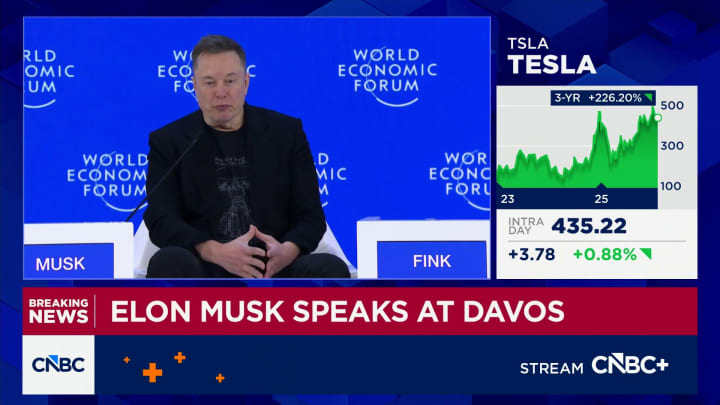
Tesla CEO Elon Musk stated on Thursday at the World Economic Forum in Davos, Switzerland, that his company will establish a “widespread” network of driverless robotaxis in the U.S. by the end of 2026. Tesla’s robotaxi service launched in Austin in June with human safety supervisors. Musk later posted on his social media platform X that robotaxi rides in Austin are now operating “with no safety monitor.” Ashok Elluswamy, Tesla VP of AI software, clarified that this rollout would involve “a few unsupervised vehicles mixed in with the broader robotaxi fleet with safety monitors,” with the ratio increasing over time. The company also offers a ride-share service in San Francisco using human-driven cars. This announcement follows several unfulfilled promises regarding autonomous vehicle deployment. In 2019, Musk expressed confidence in a 2020 rollout. In July 2025, he anticipated autonomous ride-hailing for “half the population of the U.S. by the end of the year,” which did not occur. In October 2025, he projected 500 robotaxis in Austin by year-end, later revising the number down to approximately 60. Tesla has not obtained permits to test or operate its vehicles on public roads in California without human drivers. The driverless vehicle market is increasingly competitive, with Alphabet-backed Waymo and Baidu’s ApolloGo as dominant players, and Amazon-owned Zoox having entered in 2025. Waymo expanded to five U.S. markets and launched service in Miami on Thursday. Surveys indicate significant skepticism among U.S. consumers regarding robotaxis, particularly concerning safety. Late last year, California regulators found that Tesla had engaged in deceptive marketing and false advertising concerning its vehicles’ driverless capabilities. Tesla did not respond to requests for comment or further information about its Robotaxi ride-hailing service on Thursday. During his appearance at the forum, Musk also mentioned that Tesla plans to sell its Optimus robots to the public by the end of 2027 and predicted that AI could surpass human intelligence by the end of this year or next.
Source: www.cnbc.com