


Navigating Post-War Instability: Managed Disorder in Europe

Navigating Post-War Instability: Managed Disorder in Europe
⏱ 3 min read
Executive Summary
The proposed ‘managed disorder’ framework aims to stabilize Europe after the Ukraine war by balancing deterrence, cooperation, and incentives. This approach seeks to prevent escalation, manage geopolitical tensions, and offer clarity to all stakeholders, including migrants and refugees navigating the post-war landscape.
Strategic Context
The war in Ukraine has left Europe and the world grappling with a precarious geopolitical landscape. Historically, unresolved conflicts, such as the Korean War or the Balkans, have created long-term instability, frozen borders, and humanitarian crises. The Ukraine conflict, which ended in a fragile ceasefire, mirrors these patterns, with no comprehensive peace settlement addressing sovereignty, security, or territorial disputes.
Europe, being geographically closest to the conflict, bears the brunt of its consequences, including economic strain, political divisions, and a surge in displaced populations. Meanwhile, the United States, though a key player, has shifted its focus to other global priorities. This leaves Europe to navigate a delicate balance between deterring further aggression from Russia and maintaining regional stability. The concept of ‘managed disorder’ emerges as a pragmatic response to this volatile environment, aiming to create a structured yet flexible framework for coexistence.
In-Depth Analysis
The ‘managed disorder’ framework is rooted in the recognition that trust between key players—Russia, Ukraine, Europe, and the United States—is virtually nonexistent. This approach does not seek to resolve all conflicts but rather to contain them through clear rules and predictable behavior. By freezing the status quo without legitimizing territorial conquests, it aims to prevent accidental escalations and provide a platform for dialogue.
One of the core motivations behind this policy is the need to address Europe’s internal divisions. Countries within the European Union differ on issues such as sanctions, reconstruction, and engagement with Moscow. A structured framework could help align these disparate interests, ensuring a unified response to future crises. Additionally, the framework offers conditional incentives to Russia, such as limited economic cooperation, while maintaining credible deterrence to discourage further aggression.
However, implementing ‘managed disorder’ is fraught with challenges. Ukraine may resist any arrangement that appears to cement territorial losses, while Russia might prefer chaos over a system that limits its influence. Furthermore, the United States’ unpredictable engagement adds another layer of complexity. Despite these hurdles, the framework’s emphasis on rules, incentives, and verification offers a pragmatic path forward in an otherwise volatile post-war environment.
Impact on Migrants
The ‘managed disorder’ framework has significant implications for migrants and refugees. The lack of a comprehensive peace settlement means that many displaced individuals from Ukraine may face prolonged uncertainty. Host countries in Europe will need to adapt their asylum and integration policies to accommodate these populations, potentially over decades. This could strain existing systems but also offer opportunities for long-term integration and workforce contributions.
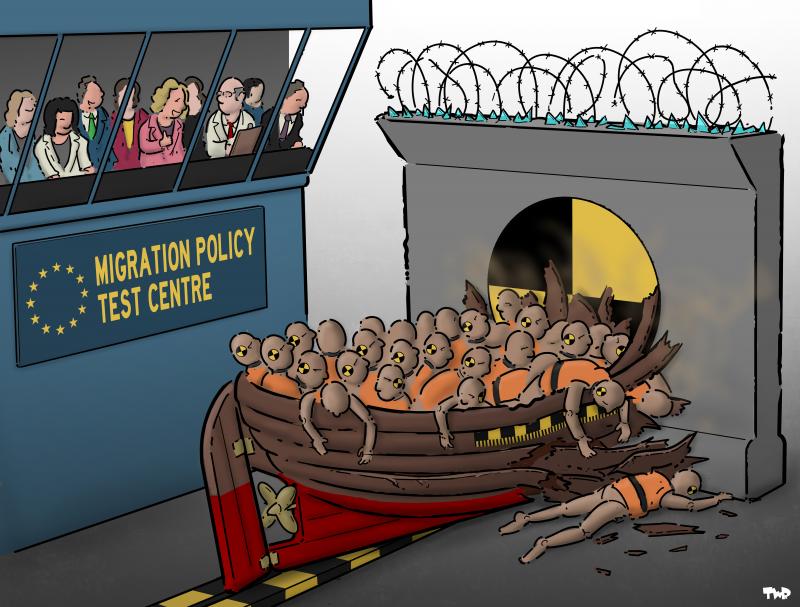
For migrants from other regions, the framework’s focus on stability could indirectly improve their prospects. A more predictable geopolitical environment in Europe may reduce the likelihood of new conflicts and create a more welcoming atmosphere for asylum seekers. However, the emphasis on deterrence and security could also lead to stricter border controls, complicating migration pathways. Policymakers must balance these considerations to ensure humane and effective responses.
Outlook & Conclusion

Prepared & Analyzed by: Migration Policy Unit | AboMatrix