


Navigating the Complexities of Hybrid Warfare: A Comprehensive Analysis of Security Dynamics in Europe

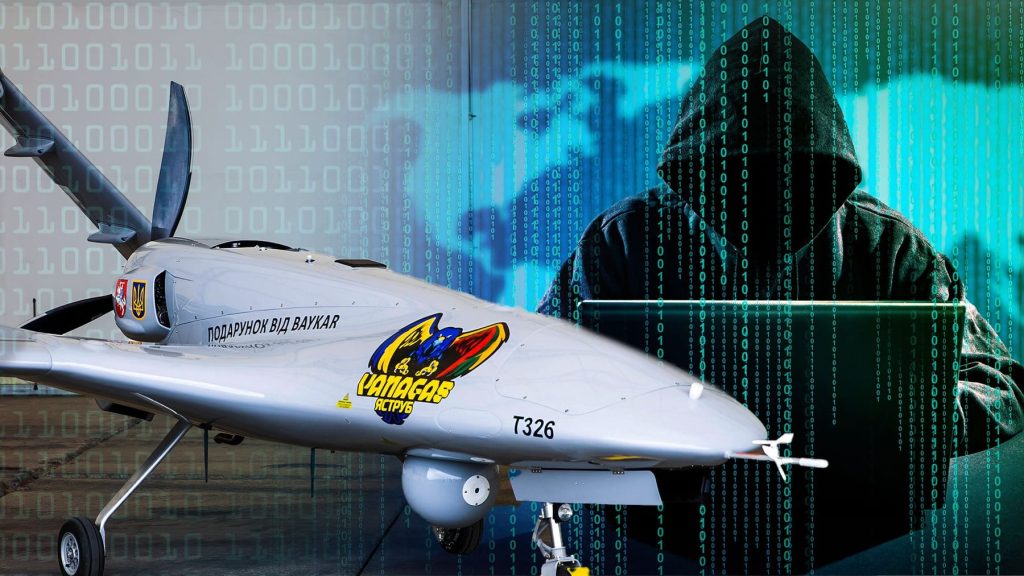
Navigating the Complexities of Hybrid Warfare: A Comprehensive Analysis of Security Dynamics in Europe
Executive Summary
This study examines the evolving landscape of hybrid warfare and its implications for security in Europe, particularly in the context of Russia’s aggressive strategies against Ukraine and the broader geopolitical environment. It highlights the necessity for comprehensive defense strategies that integrate military preparedness with societal resilience, emphasizing the role of civic engagement, institutional trust, and cross-sector collaboration in countering hybrid threats. The analysis draws on case studies from Ukraine, Sweden, and Lithuania, providing insights into effective responses to hybrid warfare and offering recommendations for enhancing European security frameworks.
Strategic Context
The concept of hybrid warfare has gained prominence in recent years, particularly following Russia’s annexation of Crimea in 2014 and the subsequent conflict in Ukraine. This form of warfare blurs the lines between conventional military operations and irregular tactics, including cyberattacks, disinformation campaigns, and economic coercion, targeting not only military assets but also the societal fabric of nations. The ongoing conflict in Ukraine serves as a critical case study, illustrating how hybrid warfare can destabilize democracies by undermining trust in institutions, eroding social cohesion, and exploiting vulnerabilities within civil society.
In response to these challenges, European nations are increasingly recognizing the need for a paradigm shift in their security strategies. Traditional notions of defense, which primarily focus on military capabilities and territorial integrity, are being redefined to encompass a more holistic approach that integrates civil defense, economic resilience, and societal engagement. This shift is particularly evident in the Nordic countries, where models of total defense emphasize the collective responsibility of state, private sector, and citizens in ensuring national security. As Europe grapples with the realities of hybrid warfare, understanding the interplay between military and non-military dimensions of security becomes paramount for fostering resilient democracies capable of withstanding external pressures.
Deep Analysis
The analysis of hybrid warfare reveals several critical dimensions that influence security dynamics in Europe. First, the role of civic engagement emerges as a cornerstone of resilience. The Ukrainian experience illustrates that active citizen participation can significantly enhance national defense capabilities. During the initial phases of the Russian invasion, spontaneous civic mobilization, including volunteer logistics and digital coordination, played a decisive role in bolstering Ukraine’s defense efforts. This underscores the importance of fostering a culture of civic responsibility and preparedness, where citizens are not merely passive recipients of state protection but active contributors to national security.
Second, institutional trust is identified as a strategic asset in countering hybrid threats. The erosion of trust in democratic institutions can be exploited by adversaries to destabilize societies. In the context of hybrid warfare, maintaining public confidence in government responses is crucial. The Swedish model of total defense exemplifies this principle, as it emphasizes the need for transparent communication and collaboration between government entities and civil society. By building trust, states can enhance their resilience against disinformation campaigns and other hybrid tactics aimed at sowing discord.
Third, the analysis highlights the necessity for comprehensive defense strategies that integrate military and non-military dimensions. The concept of comprehensive defense, as articulated in the discussions surrounding Ukraine and Sweden, advocates for a whole-of-society approach that encompasses military readiness, civil defense, economic stability, and social cohesion. This multifaceted strategy recognizes that hybrid threats often exploit vulnerabilities across various sectors, necessitating coordinated responses that involve multiple stakeholders, including government agencies, private enterprises, and civil society organizations.
Moreover, the psychological dimension of hybrid warfare cannot be overlooked. The ability of adversaries to manipulate narratives and perceptions poses significant challenges to societal resilience. The Russian state media’s role in disseminating disinformation and fostering societal divisions exemplifies the need for robust counter-narratives and strategic communication efforts. European nations must prioritize the development of information resilience, equipping citizens with the tools to critically assess information and resist manipulative narratives.
Finally, the analysis underscores the importance of international cooperation in addressing hybrid threats. The interconnected nature of security challenges in Europe necessitates collaborative efforts among nations to share intelligence, best practices, and resources. Initiatives such as NATO’s Enhanced Forward Presence and the European Union’s strategic frameworks for cybersecurity and hybrid threats reflect a growing recognition of the need for collective action. By fostering a unified response to hybrid warfare, European nations can enhance their overall security posture and deter potential aggressors.
Key Findings
- Civic engagement is crucial for enhancing national resilience against hybrid threats, as demonstrated by Ukraine’s experience during the Russian invasion.
- Institutional trust serves as a strategic asset in countering hybrid warfare, with transparent communication and collaboration between government and civil society being essential.
- Comprehensive defense strategies that integrate military and non-military dimensions are necessary to effectively address the multifaceted nature of hybrid threats.
- The psychological manipulation of narratives poses significant challenges, highlighting the need for robust counter-narratives and information resilience.
- International cooperation is vital for addressing hybrid threats, necessitating collaborative efforts among European nations to share intelligence and resources.
Policy Recommendations
- Foster civic engagement through public awareness campaigns and training programs that empower citizens to participate actively in national defense efforts.
- Enhance institutional trust by promoting transparency and accountability in government actions, particularly in crisis response and communication.
- Develop comprehensive defense strategies that involve multi-sector collaboration, integrating military preparedness with civil defense and societal resilience.
- Invest in information resilience initiatives that equip citizens with critical thinking skills to assess information and resist disinformation campaigns.
- Strengthen international cooperation frameworks to facilitate intelligence sharing and collaborative responses to hybrid threats across Europe.
Conclusion
In conclusion, the complexities of hybrid warfare necessitate a rethinking of security strategies in Europe. By embracing a comprehensive defense approach that integrates civic engagement, institutional trust, and international cooperation, European nations can enhance their resilience against hybrid threats. As the geopolitical landscape continues to evolve, the ability to adapt and respond effectively to these challenges will be paramount for safeguarding democratic values and ensuring long-term stability.