


New Migration Policies in Europe: Impacts and Challenges

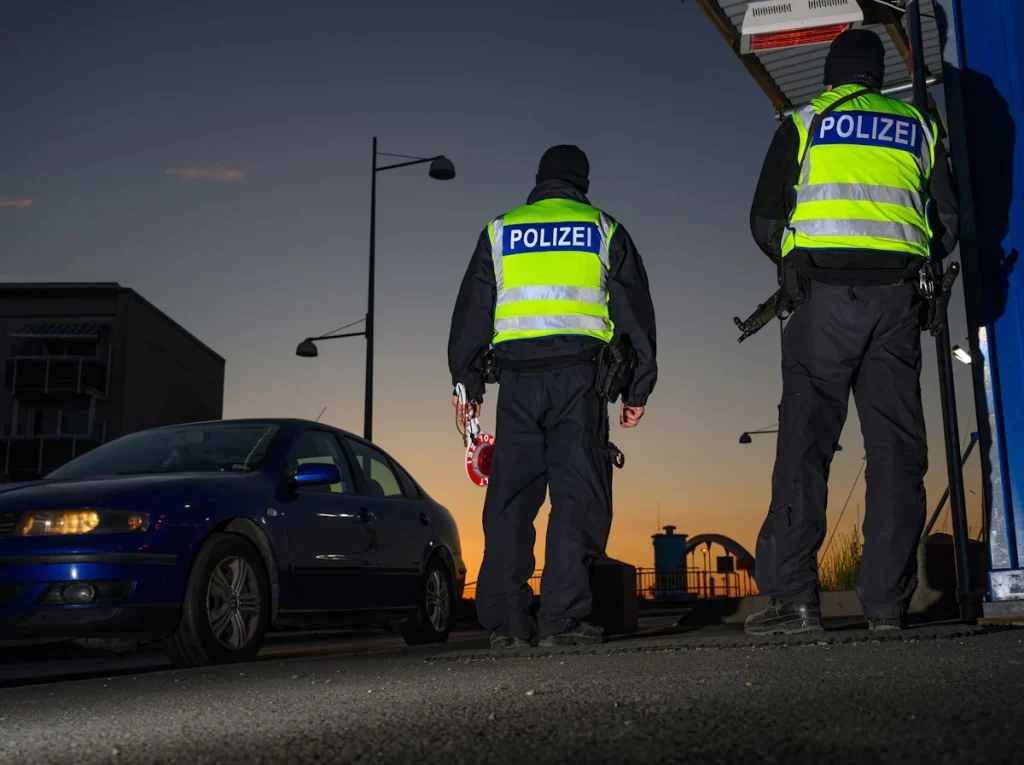
New Migration Policies in Europe: Impacts and Challenges
⏱ 3 min read
Executive Summary
Recent developments in migration policies across Europe reflect a complex interplay of political, social, and legal dynamics. With stricter regulations and heightened enforcement, governments aim to address rising concerns about integration, security, and public sentiment, while balancing humanitarian obligations toward migrants and refugees.
Strategic Context
Historical Context: Migration in Europe
Migration has long been a defining feature of Europe’s socio-political landscape. From post-war reconstruction to the influx of refugees during the Syrian crisis, European nations have grappled with balancing humanitarian responsibilities and domestic stability. The rise of populist movements, such as the Alternative for Germany (AfD), has further polarized debates on migration, often framing it as a security and cultural challenge.
In recent years, migration policies have increasingly reflected this tension. Governments have introduced measures aimed at controlling borders, streamlining asylum processes, and addressing integration challenges. These policies are often shaped by public sentiment, economic pressures, and geopolitical considerations, creating a complex environment for migrants and refugees seeking safety and opportunity.
In-Depth Analysis
Policy Motivations: Security, Integration, and Public Sentiment
One of the primary motivations behind stricter migration policies is the perceived need to enhance national security. Governments argue that tighter controls can prevent illegal entry and mitigate risks associated with organized crime or terrorism. However, critics contend that such measures often stigmatize migrants and fail to address the root causes of displacement.
Integration challenges also play a significant role in shaping migration policies. Policymakers emphasize the importance of social cohesion, advocating for language training, employment opportunities, and cultural orientation programs. While these initiatives aim to foster inclusion, they often face funding and implementation hurdles, leaving many migrants struggling to adapt.
Public sentiment remains a powerful driver of migration policy. Populist rhetoric, exemplified by parties like the AfD, capitalizes on fears of cultural erosion and economic strain. This has led to policies that prioritize border enforcement over humanitarian considerations, raising ethical questions about Europe’s commitment to international refugee conventions.
Impact on Migrants
Legal and Social Implications for Migrants
For migrants and refugees, stricter policies often translate into longer waiting periods, reduced access to legal aid, and heightened scrutiny during asylum applications. Many face uncertainty and fear, as governments increasingly prioritize deportations and border security over resettlement programs. These measures can exacerbate the vulnerability of displaced individuals, particularly women and children.
Socially, the emphasis on integration can be both empowering and challenging. While programs aimed at language acquisition and employment offer pathways to self-sufficiency, they often fail to address systemic barriers such as discrimination and limited access to housing. Migrants frequently encounter hostility in communities influenced by anti-immigration rhetoric, making their journey toward acceptance and stability even more arduous.
Outlook & Conclusion
As Europe navigates the complexities of migration, it must balance security concerns with its humanitarian obligations. Policymakers face the challenge of crafting solutions that address public sentiment while upholding the rights and dignity of migrants. The future of migration policy will depend on collaborative efforts to foster understanding, inclusion, and sustainable development.

Prepared & Analyzed by: Migration Policy Unit | AboMatrix