


Reassessing UK-EU Relations: Economic and Security Implications Post-Brexit
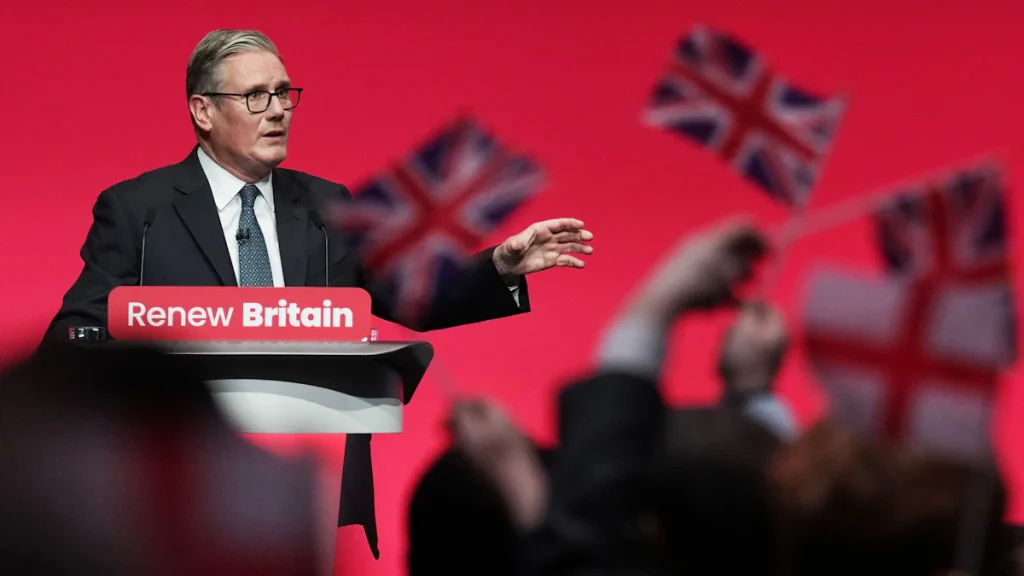
In a significant shift in policy, UK Prime Minister Keir Starmer has advocated for a closer alignment with European Union regulations, citing the economic and security ...

Reassessing UK-EU Relations: Economic and Security Implications Post-Brexit
⏱ 4 min read
Executive Summary
In a significant shift in policy, UK Prime Minister Keir Starmer has advocated for a closer alignment with European Union regulations, citing the economic and security benefits amidst global instability. This move, which may involve the use of Henry VIII powers for dynamic alignment with EU rules, has sparked controversy and division among political factions. The proposed changes aim to address the economic challenges exacerbated by Brexit, the COVID-19 pandemic, and the ongoing conflict in Ukraine, while also reflecting a changing public sentiment towards EU relations.
Strategic Context
The United Kingdom’s departure from the European Union in 2016 marked a pivotal moment in its political and economic landscape, leading to significant shifts in trade, immigration, and regulatory frameworks. The aftermath of Brexit has been characterized by economic challenges, including trade disruptions and labor shortages, which have prompted calls for a reassessment of the UK’s relationship with the EU. The geopolitical landscape has further complicated this situation, particularly with the rise of global conflicts and the unpredictability of international relations, notably under the Trump administration in the United States.
In recent months, the UK has faced mounting pressures due to rising living costs and economic instability, exacerbated by the ongoing war in Ukraine and its implications for energy prices. Starmer’s government has recognized the need for a strategic pivot towards Europe to bolster economic resilience and security. This shift is underscored by recent polling indicating a growing public appetite for closer ties with the EU, suggesting a potential reevaluation of the Brexit decision among the electorate.
Deep Analysis
Starmer’s proposal for dynamic alignment with EU regulations represents a pragmatic response to the economic realities facing the UK. By leveraging Henry VIII powers, the government aims to streamline the adoption of EU rules, thereby facilitating trade and reducing bureaucratic hurdles. This approach, however, raises concerns regarding parliamentary sovereignty and the democratic process, as it limits the ability of MPs to scrutinize and amend legislation. Critics, particularly from the Conservative and Reform UK parties, argue that this move undermines the principles of Brexit and represents a betrayal of the 2016 referendum outcome.
The political motivations behind Starmer’s push for closer EU ties are multifaceted. On one hand, it reflects a recognition of the changing global landscape and the need for the UK to adapt to new economic realities. On the other hand, it serves to differentiate Labour’s stance from that of its opponents, positioning the party as forward-thinking and responsive to public sentiment. The emphasis on economic benefits, such as potential boosts to productivity and security, is strategically aligned with the government’s broader agenda to address cost-of-living issues and enhance national stability.
Moreover, the proposed alignment with EU rules could have significant implications for the UK’s regulatory landscape. By adopting EU standards, the UK may enhance its competitiveness in key sectors such as agriculture and automotive manufacturing. However, this approach also risks alienating segments of the population who remain staunchly opposed to any form of EU integration. The challenge for the government will be to navigate these competing interests while ensuring that the benefits of closer ties are effectively communicated to the public.
Impact on Migrants
The proposed policy shift towards closer alignment with the EU may have direct implications for migrants and refugees in the UK. A more cooperative relationship with the EU could facilitate smoother processes for migration and asylum applications, particularly for individuals from EU member states. This could lead to enhanced access to rights and services for migrants, as well as improved integration opportunities within the UK. Furthermore, a focus on economic stability may create a more favorable environment for migrant labor, addressing labor shortages in key industries.
Conversely, the political backlash against the proposed alignment could exacerbate anti-immigrant sentiments among certain factions of the population. If the government fails to effectively manage the narrative around migration and its economic contributions, there is a risk of further entrenching divisions within society. The challenge will be to ensure that the benefits of migration are highlighted, while also addressing legitimate concerns about resource allocation and public services.
Outlook & Conclusion
Looking ahead, the UK government’s approach to EU relations will likely continue to evolve in response to both domestic and international pressures. As public sentiment shifts towards favoring closer ties with the EU, the government must navigate the complexities of balancing economic interests with political realities. The success of this policy shift will depend on effective communication and engagement with the electorate, as well as a commitment to addressing the concerns of all stakeholders involved. Ultimately, the future of UK-EU relations will hinge on the ability to foster a collaborative environment that prioritizes economic stability and social cohesion.
Anchor Source: theguardian.com | Analyzed by AboMatrix AI Engine