


Refugee from One Member State to Another: Towards Automatic Mutual Recognition?

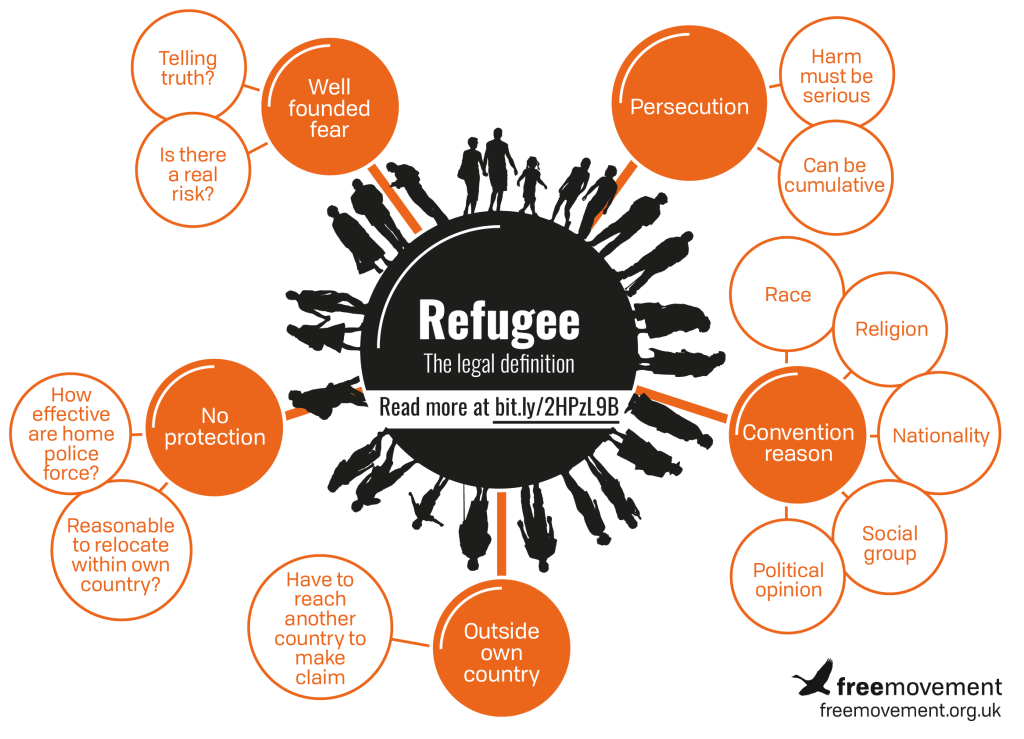
Refugee from One Member State to Another: Towards Automatic Mutual Recognition?
Executive Summary
This paper examines the evolving legal, social, and political landscape surrounding the recognition of refugee status across EU Member States, particularly in light of recent judgments by the Court of Justice of the European Union (CJEU) and the implications of the Pact on Migration and Asylum. The analysis reveals a significant aporia in EU asylum law, where positive refugee status decisions lack mutual recognition, contrasting sharply with the binding effect of negative decisions. Through a detailed exploration of the current legal framework and the potential for future reforms, this paper argues for the necessity of establishing automatic mutual recognition mechanisms to enhance the protection of refugees within the EU.
Context & Background
The issue of mutual recognition of refugee status within the European Union has been a contentious topic, particularly highlighted by the recent rulings of the CJEU in cases *QY* (C-753/22) and *A.* (C-352/22). These cases underscore the paradoxical nature of EU asylum law, where a decision to grant refugee status in one Member State does not carry binding recognition in another, while negative decisions are recognized and can preclude further applications. This legal inconsistency raises critical questions about the efficacy of the Common European Asylum System (CEAS) and the protection of refugees across Member States. The CJEU’s rulings have illuminated the limited positive effects of refugee status decisions, primarily focusing on the obligations of Member States to cooperate and exchange information, yet they fall short of establishing a framework for automatic mutual recognition of positive decisions, which is essential for ensuring the rights of refugees in the EU.
Deep Analysis
The legal framework governing the recognition of refugee status within the EU reveals a significant aporia, particularly in the context of the Dublin Regulation and the Qualification Directive. The CJEU’s jurisprudence has consistently upheld the binding nature of negative decisions, thereby reinforcing a system that inadvertently penalizes refugees who seek protection across borders. This legal dichotomy not only undermines the principle of solidarity among Member States but also places refugees in precarious situations where their rights are contingent upon the decisions of the Member State that initially granted them protection. The implications of this legal framework are profound, as they create a landscape where refugees may be subjected to further vulnerabilities, including detention and potential extradition, without adequate safeguards to ensure their fundamental rights are upheld.
In the present context, the recent judgments have introduced some limited positive effects regarding the recognition of refugee status. The CJEU has acknowledged the necessity for Member States to engage in information exchange and to consider the implications of a refugee’s status when faced with extradition requests. However, these developments are insufficient to address the overarching issue of mutual recognition. The Court’s emphasis on the need for revocation of refugee status by the original granting Member State before extradition can occur highlights the precarious legal limbo in which many refugees find themselves. This situation raises critical concerns about the adequacy of existing protections and the need for a more coherent legal framework that prioritizes the rights and safety of refugees across the EU.
Looking towards the future, the introduction of the Pact on Migration and Asylum presents both challenges and opportunities for the mutual recognition of refugee status. While the Pact aims to standardize asylum procedures across Member States, it simultaneously raises concerns about the potential erosion of more favorable national provisions that could facilitate mutual recognition. The shift from directives to regulations under the Pact may streamline certain processes but lacks substantive provisions for mutual recognition, thereby perpetuating the existing legal aporia. As Member States grapple with the implications of the Pact, there is a pressing need for a concerted effort to establish mechanisms that ensure automatic mutual recognition of refugee status, thereby enhancing the protection of refugees and fostering a more cohesive asylum system within the EU.
Methodology
This analysis is based on a review of primary policy documents.
Anchor Source: eumigrationlawblog.eu
Recommendations
- Establish a legal framework for automatic mutual recognition of refugee status across EU Member States.
- Enhance cooperation and information exchange mechanisms between Member States to facilitate the recognition of refugee status.
- Review and amend existing EU asylum legislation to address the legal aporia surrounding the recognition of positive refugee status decisions.
- Implement training programs for national authorities on the implications of CJEU rulings regarding refugee status and extradition.
- Encourage Member States to adopt more favorable provisions that prioritize the protection of refugees in line with EU fundamental rights.
Conclusion
In conclusion, the current legal framework governing the recognition of refugee status within the EU is fraught with inconsistencies that undermine the protection of refugees. The recent CJEU rulings have illuminated the urgent need for reforms that facilitate automatic mutual recognition of positive refugee status decisions. As the EU navigates the complexities of the Pact on Migration and Asylum, it is imperative that Member States prioritize the establishment of a cohesive and protective asylum system that upholds the rights of refugees and fosters solidarity among Member States.