


Reshaping Asylum: Germany’s New Migration Policy and Its Implications
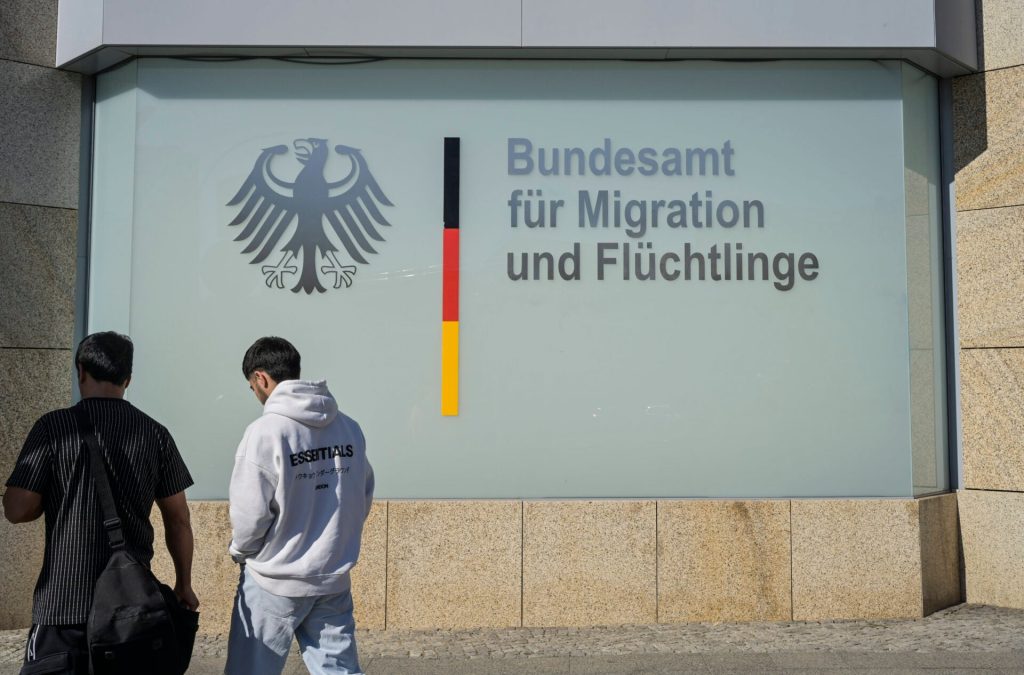
Germany's Federal Office for Migration and Refugees (BAMF) has unveiled a pivotal reform in its asylum procedures, aimed at expediting applications and enhancing integr...

Reshaping Asylum: Germany’s New Migration Policy and Its Implications
⏱ 3 min read
Executive Summary
Germany’s Federal Office for Migration and Refugees (BAMF) has unveiled a pivotal reform in its asylum procedures, aimed at expediting applications and enhancing integration. This initiative not only addresses the pressing challenges of a burgeoning refugee population but also seeks to balance humanitarian obligations with domestic political pressures, reflecting a nuanced approach to migration in contemporary Europe.
Strategic Context
Historically, Germany has been a beacon for asylum seekers, particularly during the 2015 refugee crisis when Chancellor Angela Merkel’s open-door policy attracted over a million migrants. This influx, while celebrated by many, sparked fierce political debates and led to a reevaluation of immigration strategies. The rise of right-wing populism, particularly from parties like the Alternative for Germany (AfD), has forced a reconsideration of how Germany manages its asylum processes, pushing for stricter regulations and faster decision-making to alleviate public concerns about integration and resource allocation.
Deep Analysis
The recent reforms introduced by BAMF signify a strategic pivot towards efficiency in processing asylum claims, presenting a dual narrative of compassion and pragmatism. By streamlining procedures, the German government aims to reduce the backlog that has plagued its asylum system, which has seen applications soar in recent years. This move is not merely bureaucratic; it is a calculated response to both the humanitarian need for a fair asylum process and the political imperative to maintain social cohesion amidst rising anti-immigrant sentiments. Furthermore, the reforms include provisions for quicker integration pathways for successful applicants, which could facilitate smoother transitions into German society and counteract the narratives of ‘burden’ often associated with refugees.
Impact on Migrants
For migrants and refugees, the expedited asylum process holds the promise of reduced uncertainty and anxiety, which have long been hallmarks of the asylum experience in Germany. By potentially shortening the waiting period for decisions, these reforms could improve the mental health and overall well-being of applicants, allowing them to focus on rebuilding their lives rather than languishing in limbo. However, the implications of such a policy are twofold; while it may benefit many, there are concerns that a rush to judgment could lead to hasty decisions that overlook individual circumstances, particularly for vulnerable populations such as women and children. The balance between speed and thoroughness remains a critical challenge.
Outlook & Conclusion
Looking ahead, Germany’s approach to asylum reform will undoubtedly be tested amid fluctuating political landscapes and growing public scrutiny. The success of these initiatives will hinge not only on their implementation but also on the broader societal willingness to embrace diversity and foster inclusive communities. As Europe grapples with its identity in a globalized world, Germany’s policies may serve as a litmus test for the continent’s commitment to human rights and the integration of migrants.
Anchor Source: news.google.com | Analyzed by AboMatrix AI Engine