


Tensions Over AfD: German Society Faces Challenges of Polarization

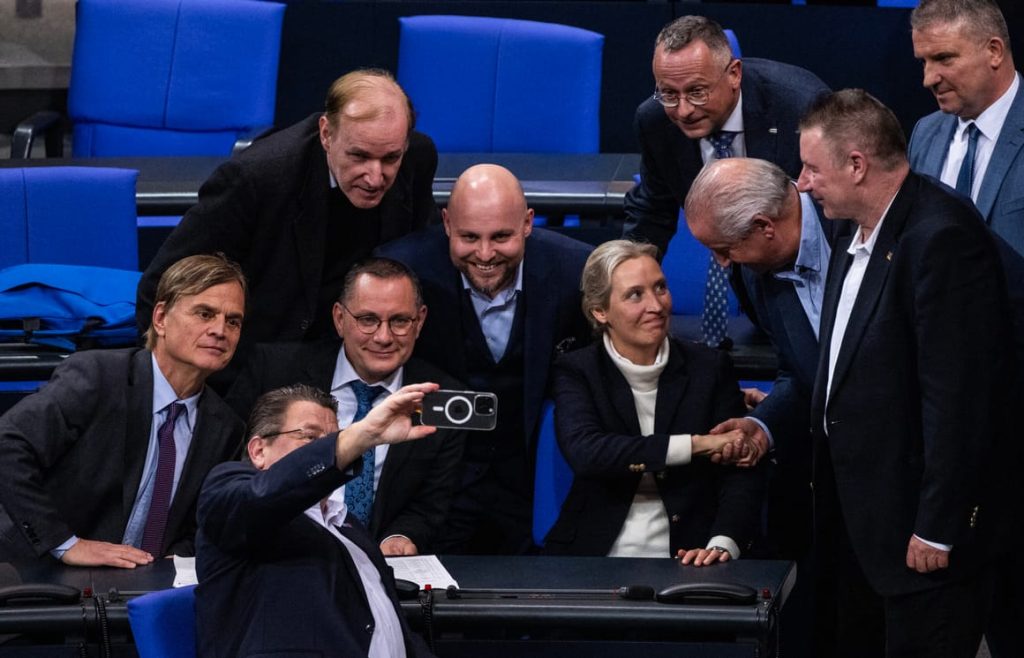
Tensions Over AfD: German Society Faces Challenges of Polarization
Tensions Over AfD: German Society Faces Challenges of Polarization
🔹 The Core Event:
Political tensions over collaborations with AfD are mounting, sparking debates on unity and democracy in Germany.
🛑 Objective Analysis:
Germany finds itself at a crossroads where political factions are grappling with the increasing influence of the Alternative für Deutschland (AfD). This right-wing party has stirred significant debates about its policies and narratives centered around nationalism and populism. As the party gains traction, mainly in regions with economic discontent, the debate intensifies whether mainstream parties should engage in dialogue or maintain a strict exclusion.
The phenomenon of rising populist movements is not new to Europe, but its implications in Germany carry unique historical and societal weight. The rise of such movements suggests underlying socio-economic dissatisfaction among certain segments of the population, which can often lead to fracture lines within society. Addressing these divisions requires not only political strategy but also societal introspection to ensure that the democratic frameworks and inclusivity remain intact.
Analyzing the narratives propagated by groups such as the AfD offers an opportunity to dissect how fear-based rhetoric takes hold and how building resilience in the society against such polarization can be an antidote.
⚖️ Public & Societal Impact:
- 📌 Broad societal tension rises, questioning collective harmony and political trust among citizens.
- 📌 Minorities and immigrants feel increasingly pressurized amidst polarizing political rhetoric.
- 📌 Traditional parties face the challenge of rejuvenating their narratives to rebuild public trust.
♟️ Future Projections:
Civil society holds critical potential in this environment to unify and influence minds through campaigns rooted in social solidarity. Educational efforts around inclusivity and historical lessons about extremism serve as vital tools to protect democracy’s progress.
The AfD may continue to bank on dissatisfaction using simplified solutions, underscoring the need for detailed, humane, and inclusive policymaking by leading parties.