


The Complex Realities of Migration: Analyzing the Asylum Claims of Economic Migrants
A recent survey conducted by pro-migration organizations reveals that a mere 3.7% of migrants deported or stranded in the United States claimed to be fleeing persecutio...

The Complex Realities of Migration: Analyzing the Asylum Claims of Economic Migrants
⏱ 4 min read
Executive Summary
A recent survey conducted by pro-migration organizations reveals that a mere 3.7% of migrants deported or stranded in the United States claimed to be fleeing persecution, challenging the narrative that most illegal migrants seek asylum. The findings indicate that the majority are motivated by economic factors, raising questions about the efficacy and morality of current U.S. immigration policies. This briefing examines the implications of these findings for both migrants and policymakers, highlighting the urgent need for a nuanced understanding of migration motivations.
Strategic Context
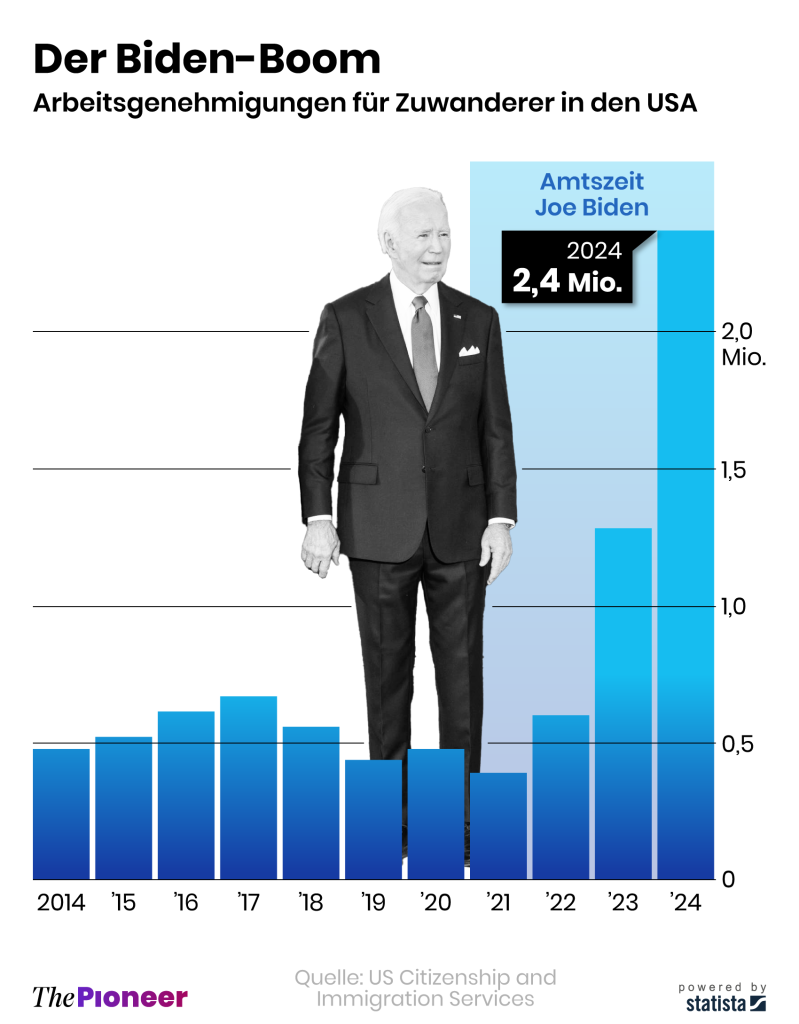
The political landscape surrounding U.S. immigration policy has been contentious, particularly in the context of asylum claims. Historically, U.S. immigration laws have differentiated between economic migrants, who seek better opportunities, and asylum seekers, who flee persecution. The recent administration under President Joe Biden has seen a significant increase in asylum approvals compared to the previous administration, yet the data from the survey suggests that many migrants do not meet the legal criteria for asylum. This discrepancy raises critical questions about the motivations behind migration and the responsibilities of both migrants and policymakers.
The report, titled ‘How Cruel Migration Policies Hurt People,’ emphasizes the emotional and psychological toll that migration policies have on individuals and families. Pro-migration groups argue that the current legal framework fails to recognize the complex realities faced by migrants, many of whom undertake perilous journeys in search of economic stability. This context is essential for understanding the motivations of migrants and the implications of their experiences on U.S. immigration policy.
Deep Analysis
The survey’s findings challenge the prevailing narrative that illegal migrants predominantly seek asylum due to political persecution. With only 3.7% of respondents citing political opinion as their reason for migration, the data suggests that economic factors play a far more significant role. This raises critical questions about the motivations of pro-migration advocates who may inadvertently encourage individuals to undertake dangerous journeys under the false pretense of asylum eligibility. Such encouragement can lead to trauma and exploitation, as evidenced by the harrowing accounts of migrants who faced violence and abuse during their attempts to cross the border.
Moreover, the stark contrast in asylum approval rates between the Biden and Trump administrations highlights the shifting political motivations behind immigration policy. While the Biden administration has been more lenient in granting asylum, the survey indicates that many migrants do not meet the necessary criteria. This discrepancy suggests a potential misalignment between the political rhetoric surrounding asylum and the lived realities of migrants, further complicating the discourse on immigration reform.
The implications of these findings extend beyond individual migrants; they challenge policymakers to reconsider the legal frameworks governing migration. The current system, which bars economic migrants from seeking legal entry, may inadvertently push individuals into dangerous situations. As the survey indicates, many migrants are left stranded and unable to pay off debts incurred during their journey, highlighting the need for a more comprehensive approach to migration that addresses the root causes of economic displacement and offers viable pathways for legal entry.
Impact on Migrants
The legal and social impacts of current U.S. immigration policies are profound, particularly for those classified as economic migrants. The survey reveals that many individuals who have lived in the U.S. for years, often contributing to their communities, face sudden deportation, stripping them of their livelihoods and support networks. This forced return not only disrupts their lives but also creates a sense of instability and fear among families, as evidenced by the accounts of migrants who express anxiety about being separated from their children or losing their homes.
Additionally, the emotional toll of migration is significant. Many migrants report feelings of anger, sadness, and hopelessness as they navigate the complexities of their situations. The survey indicates that the most pressing need among deported migrants is to find stable employment and rebuild their lives, underscoring the importance of addressing economic factors in migration discussions. The current policies, which often fail to recognize the multifaceted nature of migration, may exacerbate these challenges and hinder the ability of migrants to reintegrate into their home countries.
Outlook & Conclusion
Looking ahead, it is imperative for policymakers to adopt a more nuanced understanding of migration that acknowledges the diverse motivations behind it. The findings from the survey underscore the need for immigration reform that not only addresses the legal pathways for asylum seekers but also considers the economic realities faced by many migrants. By fostering a more inclusive and compassionate approach to migration, the U.S. can better support individuals seeking a better life while also addressing the root causes of displacement. The future of U.S. immigration policy must prioritize human dignity and the complexities of migration in order to create a more just and effective system.
Anchor Source: breitbart.com | Analyzed by AboMatrix AI Engine