


The Decline of Asylum Applications in Germany: Analyzing Policy Implications and Migrant Impact
In the first quarter of 2026, Germany witnessed a significant decline in asylum applications, with 21,617 new requests compared to 35,657 in the same period of the prev...

The Decline of Asylum Applications in Germany: Analyzing Policy Implications and Migrant Impact
⏱ 4 min read
Executive Summary
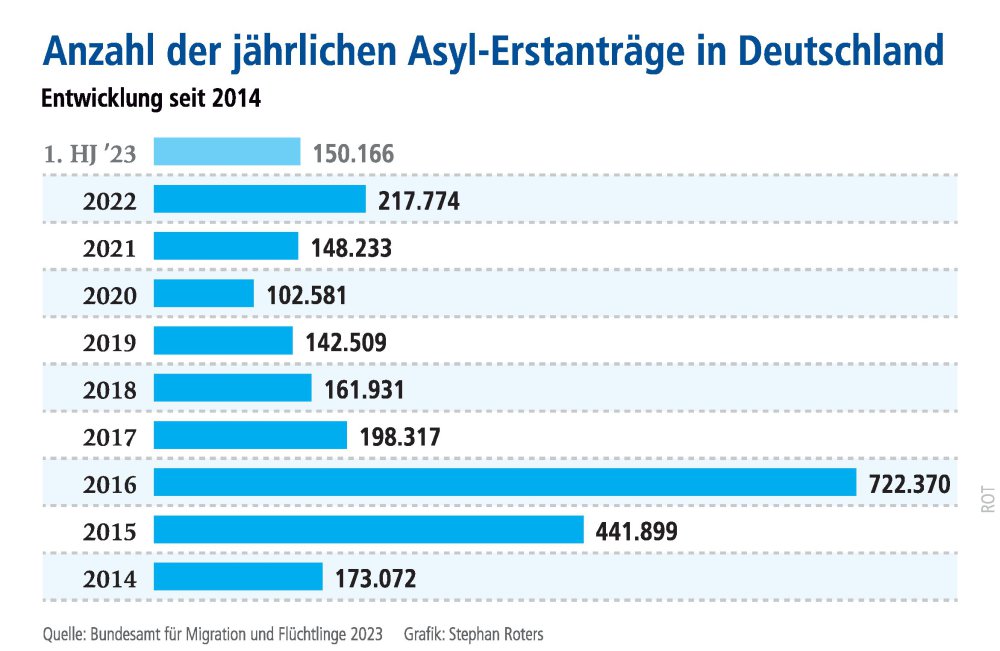
In the first quarter of 2026, Germany witnessed a significant decline in asylum applications, with 21,617 new requests compared to 35,657 in the same period of the previous year, marking a 39% decrease. This trend has been attributed to the government’s stringent immigration policies, particularly the tightening of border controls and the reduction of migration flows from key source countries. The German Interior Minister, Alexander Dobrindt, has heralded this decline as a success of the current government’s approach to asylum and migration management. However, the implications of these policies on migrants, particularly vulnerable groups, warrant critical examination.
Strategic Context
Germany has historically been a key destination for asylum seekers, particularly during the migrant crisis of 2015 when over a million refugees arrived, primarily from Syria, Afghanistan, and Iraq. The subsequent years saw a shift in public sentiment and policy, leading to the implementation of stricter immigration controls and a focus on reducing the number of asylum applications. The political landscape has been influenced by rising anti-immigrant sentiment and the emergence of far-right parties, prompting the government to adopt a more hardline stance on immigration and asylum policies.
The tightening of border controls, particularly since May 2025, has been a cornerstone of the German government’s strategy to manage migration. This includes increased surveillance and enforcement at land, air, and sea borders, resulting in a notable decrease in illegal entries. The government’s narrative emphasizes the success of these measures in reducing asylum numbers and illegal migration, framing it as a necessary response to both domestic concerns and broader European migration challenges.
Deep Analysis
The significant drop in asylum applications can be seen as a direct result of the German government’s proactive measures to control immigration. The Interior Minister’s assertion that ‘the asylum turnaround is working’ reflects a political motivation to demonstrate effective governance in the face of public concerns about migration. By framing the decline as a success, the government seeks to bolster its legitimacy and counter criticisms from opposition parties and civil society organizations advocating for more humane asylum policies.
Moreover, the reduction in illegal entries, reported at the lowest levels since the COVID-19 pandemic, indicates a shift in migration patterns, with many potential asylum seekers opting for alternative destinations such as France, the UK, and Scandinavian countries. This shift may also be influenced by the perception of Germany as a less welcoming environment for asylum seekers due to the stringent policies in place. The internal report from German security agencies highlights that the decrease in migration is not merely seasonal but reflects a broader trend of reduced migration from key source countries, suggesting that the government’s policies may be reshaping the landscape of asylum in Europe.
However, the implications of these policies extend beyond mere statistics. The high rate of immediate rejections of illegal entries, where 73% of cases were denied entry, raises concerns about the treatment of vulnerable groups. While exceptions were made for elderly, sick, and children, the overall approach prioritizes control over compassion, potentially undermining Germany’s commitment to international refugee protection standards. The political motivations behind these policies may overshadow the humanitarian obligations that Germany has historically upheld, leading to a more exclusionary asylum system.
Impact on Migrants
The direct legal impacts on migrants are profound, as the tightening of asylum policies and border controls effectively limits access to protection for those fleeing persecution and violence. The significant reduction in asylum applications indicates that many potential asylum seekers may be deterred from seeking refuge in Germany, either due to fear of rejection or the perception of an inhospitable environment. This trend could lead to increased vulnerability among migrants, as those who do manage to enter may face immediate expulsion without due process.
Socially, the decline in asylum applications and the stringent border controls contribute to a climate of fear and uncertainty among migrant communities. The perception of being unwelcome can exacerbate social tensions and hinder integration efforts for those who do arrive. Vulnerable groups, particularly women and children, may find themselves at greater risk as they navigate a system that prioritizes control over care. The long-term implications of these policies could lead to a fragmented society where migrants are marginalized and excluded from the social fabric of Germany.
Outlook & Conclusion
Looking ahead, the future of asylum policy in Germany remains uncertain. While the government may continue to tout the success of its restrictive measures, the ethical implications and humanitarian responsibilities cannot be overlooked. A balanced approach that considers both the need for security and the rights of migrants is essential for fostering an inclusive society. As migration patterns evolve, Germany must reassess its policies to ensure they align with international obligations and the values of compassion and solidarity that underpin its democratic principles.
Anchor Source: stern.de | Analyzed by AboMatrix AI Engine