


The European Parliament’s Migration Policy Shift: An Analysis of the Return Hubs Initiative
On March 26, 2023, the European Parliament approved a significant tightening of the continent's migration policy, endorsing the concept of 'return hubs' for migrants ou...

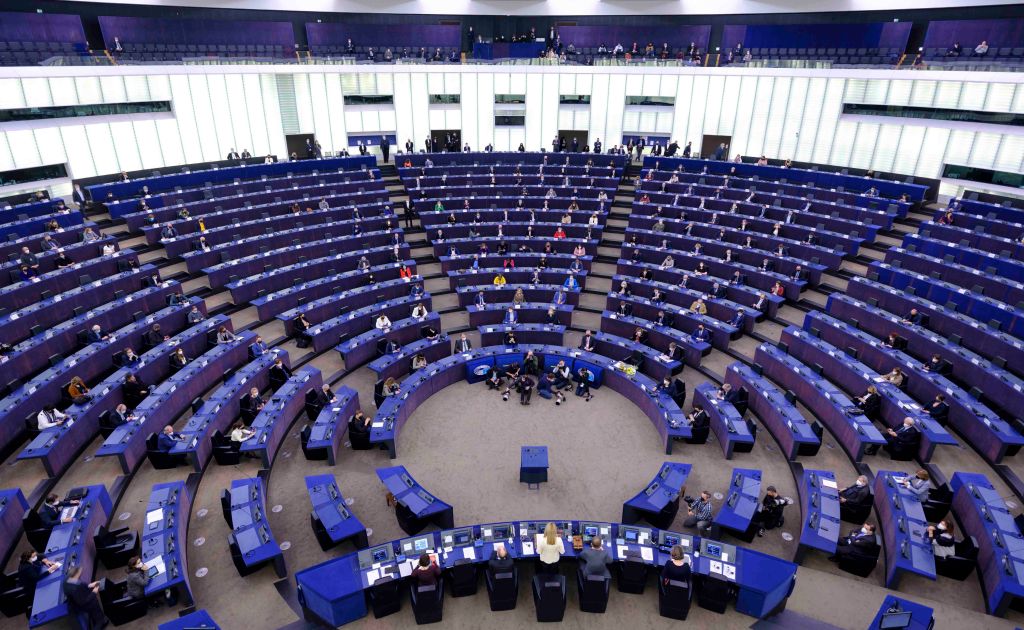
The European Parliament’s Migration Policy Shift: An Analysis of the Return Hubs Initiative
⏱ 4 min read
Executive Summary
On March 26, 2023, the European Parliament approved a significant tightening of the continent’s migration policy, endorsing the concept of ‘return hubs’ for migrants outside the European Union (EU). This policy, driven by a coalition of right-wing and far-right Members of Parliament (MEPs), aims to increase the number of expulsions of migrants whose asylum applications have been rejected. While proponents argue that it reinforces the principle of deterring illegal immigration, critics warn that it represents a historic regression in refugee rights and could lead to increased detention of vulnerable populations.
Strategic Context
The recent policy shift in the European Parliament reflects a broader trend in EU migration governance, characterized by increasing pressure from member states to adopt stricter measures in response to rising migration flows. The backdrop of this development includes a notable statistic: only about 20% of expulsion decisions within the EU are effectively executed, prompting calls for more robust enforcement mechanisms. The European Commission has been under pressure to address these concerns, leading to the proposal of the return hubs initiative as a means to facilitate the expulsion process and deter future irregular migration.
Historically, the EU has grappled with balancing humanitarian obligations towards refugees and migrants with the political imperatives of national sovereignty and public sentiment. The emergence of right-wing populism across Europe has intensified debates surrounding migration, often framing it as a threat to national security and social cohesion. This political climate has fostered alliances among conservative and far-right factions within the European Parliament, culminating in the recent vote that signals a decisive shift towards a more restrictive migration policy framework.
Deep Analysis
The approval of the return hubs initiative is indicative of a strategic alignment among right-wing and far-right MEPs, who have successfully leveraged public concerns about migration to push for more stringent policies. The initiative proposes the establishment of centers outside the EU where migrants with rejected asylum claims can be sent and potentially detained. This approach, while not entirely novel, has faced significant legal and logistical challenges in previous implementations, such as the failed UK-Rwanda agreement. The current proposal raises questions about its feasibility and the ethical implications of detaining individuals in third countries.
Moreover, the initiative includes provisions for stricter penalties for rejected asylum seekers who refuse to leave the EU, such as confiscation of identity documents and extended entry bans. These measures reflect a punitive approach to migration management that prioritizes enforcement over humanitarian considerations. The mutual recognition of expulsion decisions across member states further complicates the legal landscape, potentially undermining the rights of individuals seeking asylum and limiting their ability to appeal decisions.
Critics of the policy, including humanitarian organizations and some political factions, argue that it constitutes a significant regression in refugee rights. The potential for increased detention of vulnerable populations, including children, raises serious ethical concerns. The collaboration between moderate and far-right parties in advancing this policy has sparked controversy and backlash, particularly in countries like Germany, where it challenges the traditional political consensus on refugee protection. This alliance may have long-term implications for the political landscape in Europe, as it blurs the lines between moderate and extremist positions on migration.
Impact on Migrants
The implementation of return hubs and the associated punitive measures are likely to have profound implications for migrants and refugees in the EU. Firstly, the establishment of detention centers outside the EU raises concerns about the treatment of individuals in these facilities, particularly regarding access to legal representation, adequate living conditions, and the potential for human rights violations. The prospect of being detained in a foreign country, often with limited oversight, could deter individuals from seeking asylum altogether, thereby undermining their rights to protection under international law.
Secondly, the stricter penalties for non-compliance with expulsion orders could lead to increased fear and marginalization of migrant communities. The confiscation of identity documents and extended bans on re-entry may further entrench the vulnerabilities of those affected, pushing them into precarious situations and limiting their ability to integrate into society. The overall effect of these policies may exacerbate existing inequalities and contribute to a climate of hostility towards migrants, undermining social cohesion and the values of solidarity that the EU purports to uphold.
Outlook & Conclusion
Looking ahead, the trajectory of EU migration policy appears increasingly oriented towards enforcement and deterrence, with significant implications for the rights and welfare of migrants. As the return hubs initiative moves through the legislative process, it is crucial for policymakers to consider the ethical ramifications of such measures and to engage in meaningful dialogue about the balance between security and humanitarian obligations. The future of migration governance in Europe will depend on the ability to navigate these complex challenges while upholding the principles of human rights and dignity for all individuals.
Anchor Source: lemonde.fr | Analyzed by AboMatrix AI Engine